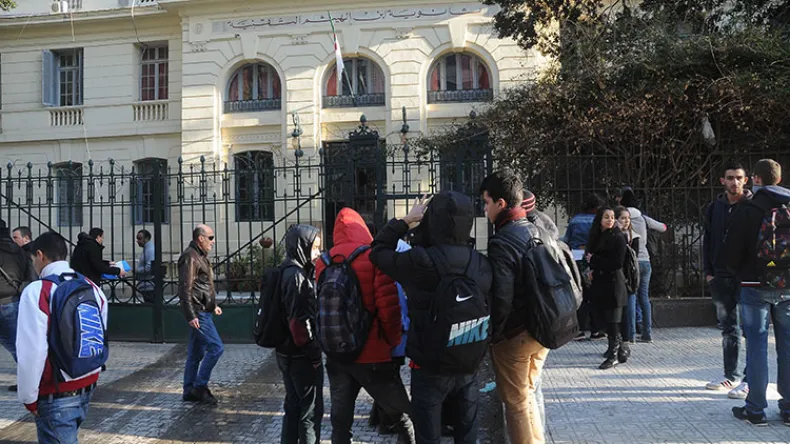
The issue of students expelled for failing exams is a recurring educational and social challenge at the close of each school year. More specifically, the issue of excluded or "expelled" students who did not succeed in passing exams is a recurring and complex educational and social problem that consistently arises at the end of each academic period. This perennial challenge affects thousands of families and often leads to significant distress. Beginning in September, expelled intermediate or secondary students will be required to register their reintegration requests through the sector's digital platform, marking a key shift in how these cases are managed.
Exam Results Spark Urgency and Parental Demands
Following the announcement of the Intermediate Education Certificate results for the May 2026 session, thousands of families are reportedly experiencing significant psychological and social pressures regarding their children's future. The emotional toll on both students and their parents is considerable as they grapple with the implications of exam failures. In response to these pressures, parents are now demanding flexible and practical mechanisms to reintegrate their children into the education system. They seek opportunities for their children to repeat the fourth year of intermediate education, aiming to provide them with a key second chance to continue their studies and achieve their academic goals. This collective demand notes the urgency of finding viable solutions for students who face exclusion.
Addressing Overcrowding Challenges and Limited Capacity
The situation is also complex for secondary school students following the Baccalaureate exam results for the June 2026 session. Many students face decisions from class councils that are limited by the educational institutions' capacity, impacting their reintegration prospects. Some educational institutions recorded alarming failure rates exceeding 40 percent this year, further exacerbating the challenge of student placement and the overall strain on the system. Overcrowding in classrooms is not just a pedagogical obstacle, hindering effective teaching and learning, but it has also become a significant administrative barrier that may deprive deserving students of a second chance in the education system. This persistent capacity issue adds immense pressure on the reintegration process, potentially limiting the number of students who can be readmitted despite their genuine desire to continue their studies and improve their academic standing. The lack of available pedagogical seats is a critical factor in these complex decisions.
Digital Solution for Reintegration and Enhanced Transparency
In response to these challenges, the Ministry of National Education has implemented a full digitization plan to manage student reintegration requests and ensure transparency in the process. This initiative introduces a streamlined digital procedure designed to evaluate each case based on objective criteria, moving away from subjective assessments. Expelled students, whether from intermediate or secondary levels, will be required to register through the sector's digital platform for reintegration requests, which will officially open at the beginning of September. This digital procedure aims to study each case meticulously, considering various factors such as a student's age, behavior, and annual academic average. The digital system will also account for the available pedagogical seats within each educational district, determining the precise capacity for reintegration in a transparent and equitable manner. This approach seeks to streamline the application process for expelled students, reduce administrative burdens, and provide a structured and fair framework for their potential return to the education system, ultimately aiming to offer a pathway for continued education to those who truly merit it.