The National Solidarity sector is expanding its care map for individuals affected by fires, shifting from circumstantial interventions to organized field support. This initiative follows recent fires that caused significant material and social damage across several provinces, including جيجل (Jijel), بجاية (Bejaia), and سطيف (Setif). The National Solidarity sector is prioritizing the needs of affected families and vulnerable groups, with field mobilization underway to reach remote areas and provide intensive assistance. This expanded care map aims to provide intensive support for families and vulnerable groups, moving beyond ad-hoc responses to a more structured and full approach.
New Strategy for Field Mobilization
The new approach involves constructing a precise map of needs through intensified field inventory and a thorough assessment of damages and social situations. This strategy aims to direct human and logistical resources based on the specific extent of damage and the nature of each affected region. The Ministry stated that this targeted distribution is intended to prevent reliance on general responses, which may not reach the most vulnerable populations swiftly enough. The approach is designed to ensure that assistance is delivered efficiently and effectively to those most in need. Directives issued emphasize a studied distribution of teams to ensure direct contact with affected families and accurate identification of their needs. This careful planning aims to avoid a one-size-fits-all approach, instead tailoring interventions to the specific circumstances of each community. Neighborhood cells have been noted as key tools in this effort, particularly for reaching communities in mountainous and remote areas. These cells are considered key mechanisms for grassroots engagement and support. In Jijel province alone, the number of these established cells reached 119, showing the extensive groundwork being laid for this new strategy.
Coordination and Support Mechanisms
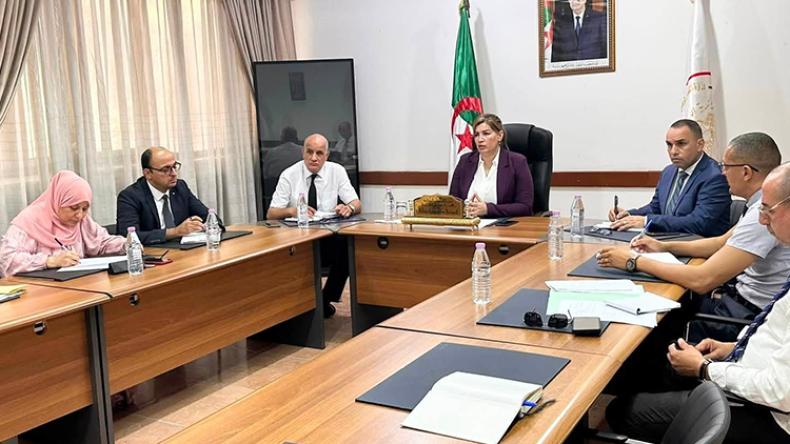
Minister of National Solidarity, Family and Women's Affairs, Soraya Mouloudji, chaired a coordination meeting with directors of social activity and solidarity. The meeting was convened to define mechanisms for implementing the President of the Republic's instructions concerning responses to the repercussions of recent fires. During the session, Ms. Mouloudji emphasized the continuation of psychological and social support for those affected, whether they are in reception and shelter centers or in their homes. This commitment notes the understanding that recovery extends beyond material aid to address the emotional and mental well-being of individuals. The ministry noted the importance of coordinating with local authorities and various intervening bodies. This coordination is intended to unify efforts in inventorying needs and organizing in-kind aid, thereby preventing randomness or duplication in assistance. Such unified action is key for maximizing the impact of aid and ensuring equitable distribution. The ministry stressed that fire response efforts are linked to preparations for the upcoming school year. This connection acknowledges that restoring normal life involves ensuring the continuity of social and educational services, particularly for individuals requiring specialized care, thereby providing a stable environment for affected children and families.
Long-Term Planning and School Year Readiness
The Ministry has integrated the 2026-2027 social and school year within its monitoring scope, according to official statements. This long-term planning emphasizes the readiness of specialized educational institutions and social care institutions. This proactive approach aims to ensure that services for affected families and vulnerable populations are sustained beyond immediate disaster response, extending into future academic and social cycles. The ministry's focus on future readiness shows its strategy to provide stable environments for recovery and development, ensuring that educational and social support systems are robustly prepared for upcoming years. This integration notes a commitment to continuous support, particularly for individuals who may require specialized care or educational accommodations following the impact of the fires, thereby linking the fire response directly to the ongoing preparation for the school year.