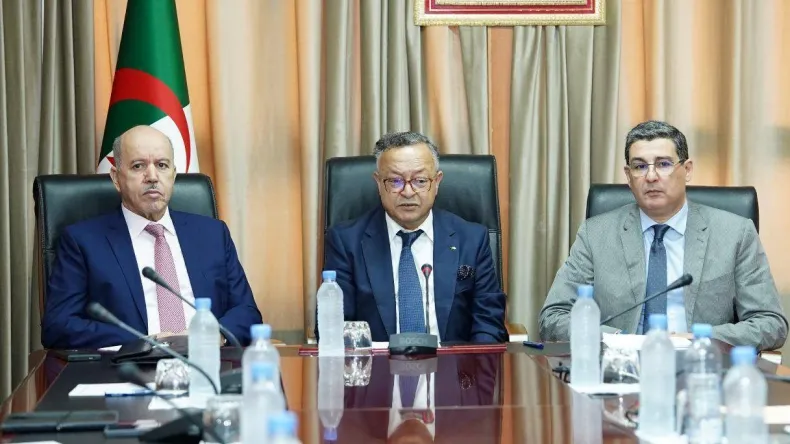
Ministers of Higher Education and Scientific Research, Health, and Labor, Employment, and Social Security convened a coordination meeting on Saturday. The gathering, held at the Ministry of Higher Education headquarters, was specifically dedicated to studying ways to improve the conditions for resident doctors' training. The discussions aimed to address various aspects related to the academic and practical development of resident physicians, emphasizing a full approach to medical education. The meeting served as a collaborative effort between the three ministries to enhance the educational environment and professional pathways for future medical practitioners, showing the government's commitment to strengthening the healthcare sector. The high-level participation reflected the critical importance placed on refining the training experience for these essential medical professionals.
Joint Committee Established
During the meeting, participants agreed to establish a joint committee, a key step towards implementing tangible improvements. This committee will be responsible for preparing a detailed plan aimed at improving both the training mechanisms and the overall conditions for resident doctors. The establishment of this specialized body notes a concerted effort to move beyond discussion and towards concrete actions that will benefit resident physicians across the nation. This collaborative structure is designed to ensure that all relevant perspectives from education, health, and labor are integrated into the forthcoming reforms.
Plan for Better Training
The proposed plan seeks to significantly enhance the training of resident doctors by ensuring a more effective alignment between their academic instruction and the practical duties they perform in the field. This initiative aims to bridge any gaps between theoretical learning and real-world medical practice, thereby improving the overall quality of their development and preparedness for clinical challenges. The approach is designed to produce more competent and well-prepared medical professionals, ready to address the complex demands of healthcare services with greater proficiency. By integrating academic curricula with hands-on responsibilities, the ministries intend to create a full training environment that fosters both intellectual growth and practical expertise. This synchronization is expected to bolster the residents' clinical skills and decision-making capabilities, contributing to a higher standard of patient care and ultimately benefiting the wider community. The committee's work will focus on identifying specific strategies to achieve this critical alignment.
Context and Next Steps
The establishment of the joint committee signifies a strong commitment from the Ministries of Higher Education and Scientific Research, Health, and Labor, Employment, and Social Security to comprehensively review and reform resident doctor training. This collaborative approach, stemming from thorough discussions at the Ministry of Higher Education headquarters, is designed to ensure that the proposed improvements address both the academic and practical facets of medical education in a holistic manner. The committee's forthcoming plan is expected to detail specific mechanisms for enhancing training quality and optimizing the learning conditions for resident physicians across Algeria, considering the unique challenges and opportunities within the national healthcare system.
Future steps will involve the committee's detailed work in drafting the plan, which will then be presented for ministerial approval. This initiative aims to create a more integrated training environment, linking theoretical knowledge with clinical experience directly and smoothly. This structured progression is intended to foster a new generation of medical professionals better equipped to meet the evolving demands of the healthcare sector and provide high-quality care to citizens. The ongoing dialogue and coordinated efforts between the three ministries show their unwavering commitment to refining the educational pathways for resident doctors, ensuring a sustainable and skilled medical workforce for the future. The full nature of the plan is expected to address various aspects of the resident doctors' professional journey, from initial training to their eventual integration into the healthcare system.