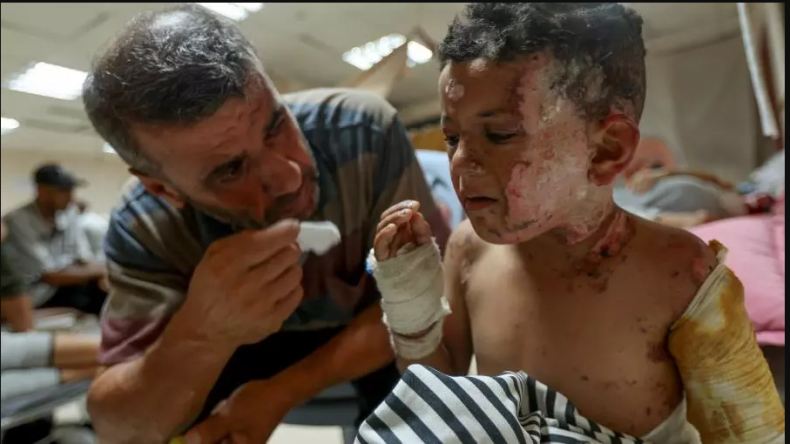
Medical care for patients in Gaza faces mounting constraints as specialized equipment and evacuation pathways stall. Doctors Without Borders produced its final 3D-printed burn mask for severe facial injury treatment in the Gaza Strip on 14 October 2026. Firas Swairjo, a physiotherapist at Doctors Without Borders, stated: "The last mask produced by the organization using 3D printing technology to treat patients with severe facial burns in the Gaza Strip was on October 14." Meanwhile, Save the Children reported a 75% decline in the evacuation of injured and sick children from Gaza compared to the first year of the war. These compounding obstacles limit the ability of medical teams to provide necessary support for vulnerable patients requiring advanced interventions outside the territory.
Stalled Medical Evacuation Efforts
The Gaza Ministry of Health reports that 21,000 patients and wounded individuals currently require urgent medical evacuation from the territory. Officials note that children account for one-quarter of this group.
Data regarding departures indicates that 3,056 patients and wounded individuals have been evacuated from Gaza since February 2026. Records from the Gaza Ministry of Health show that 2,614 of these individuals exited through the Rafah crossing. The remaining 442 patients transitioned via the Kerem Shalom crossing. These figures represent the total volume of medical evacuations facilitated through these two points of departure during the specified period.
Hardships Facing Displaced Palestinians
Save the Children has provided support to 18,000 Palestinians in Egypt since the start of the war. These individuals reside in the country after leaving the Gaza Strip, facing significant economic instability in their new environment.
Financial hardship remains a primary concern for these displaced families. According to data collected by Save the Children, 75% of Palestinian families in Egypt currently live without a source of income. 90% of these families report having no financial savings to cover ongoing expenses.
Accessing essential resources also presents a severe challenge for those surveyed by the organization. Save the Children found that 93% of Palestinians surveyed in Egypt are unable to meet their basic needs. These findings reflect the limited economic security available to individuals who have transitioned from the territory into Egypt during the conflict.