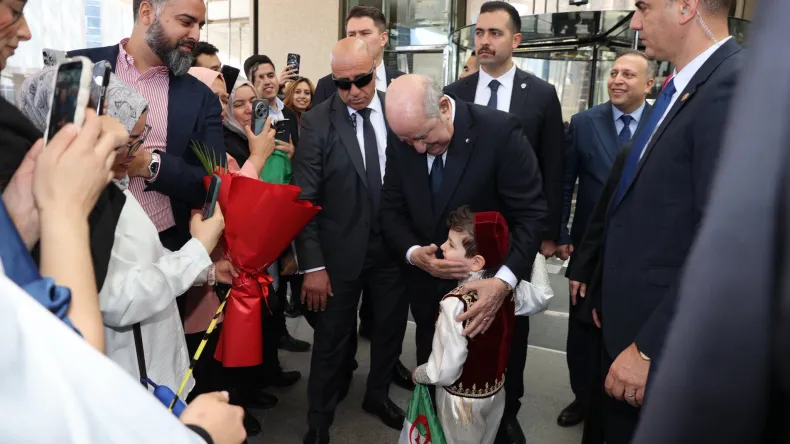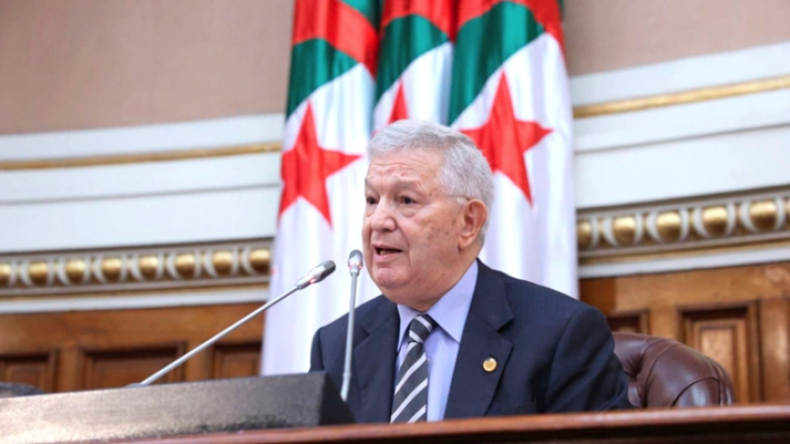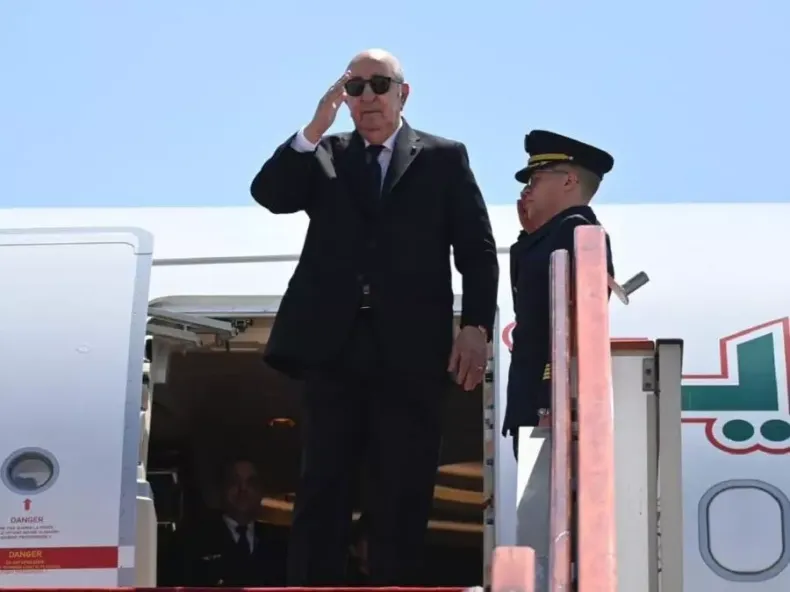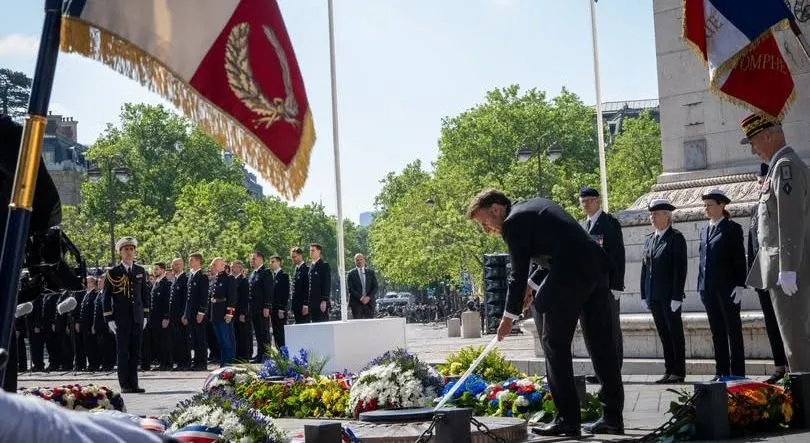
French President Emmanuel Macron attended commemorative ceremonies in Paris on May 8, 2026, marking the 81st anniversary of the Allies' victory. The solemn event, held at the iconic Arc de Triomphe, commemorated the formal end of World War II in Europe and paid tribute to the sacrifices made during the conflict. However, critics contend that President Macron did not officially acknowledge the massacres of May 8, 1945, which occurred in Algeria, during the Parisian commemorations. These massacres, which took place in Algerian cities such as Sétif, Guelma, and Kherrata, saw French forces kill thousands of Algerian civilians. The absence of an explicit, official recognition of these specific events during the Victory Day commemoration has drawn significant criticism regarding France's historical acknowledgment of its complex colonial past and the violence associated with it. This omission has reignited debates about the extent to which France has reconciled with its historical actions in Algeria, particularly concerning the foundational events that preceded the Algerian War of Independence.
Past French Steps Toward Reconciliation
French President Emmanuel Macron has previously acknowledged France's historical responsibilities in other instances related to the Algerian War, demonstrating a pattern of engagement with difficult historical truths. In September 2018, Mr. Macron officially recognized France's responsibility for the death of Maurice Audin, a French mathematician and communist activist who disappeared in 1957 during the Algerian War, confirming he was tortured and killed by the French army. Mr. Macron also acknowledged in March 2021 that Ali Boumendjel, a prominent Algerian lawyer and nationalist, was tortured and killed by the French army in 1957, correcting previous official narratives. More recently, in November 2024, the President confirmed that Larbi Ben M'hidi, a key leader of the Algerian National Liberation Front (FLN), was killed by French military personnel in 1957, rather than dying by suicide as had been officially claimed for decades. These acknowledgments represent specific instances where the French state, under President Macron, has taken steps to confront difficult aspects of its colonial history in Algeria.
Efforts toward official recognition of the 1945 massacres have also taken place within the French legislative bodies, indicating a broader movement within France to address these historical events. A French parliamentary working group, specifically aimed at achieving official recognition of the massacres, was launched on May 8, 2024, exactly 79 years after the tragic events. This initiative reflects a growing impetus within the French political establishment to engage with this sensitive period. Last year, in 2025, a delegation of French deputies and senators participated in the commemoration ceremonies for the massacres in Sétif, an act that signaled a parliamentary willingness to acknowledge and remember the victims. Jean-Marc Todeschini, the French Secretary of State for Veterans Affairs, attended the commemoration in Sétif in May 2015, marking an earlier high-level French official presence at these remembrance events. These actions, while not constituting a full official state apology or recognition of the massacres by the President, show a continuing, albeit gradual, process of historical reconciliation and acknowledgment from various branches of the French government.
Diplomatic Maneuvers and Official Statements
In a significant diplomatic gesture, Alice Rufo, the French Minister Delegate for the Armed Forces and Veterans, visited Sétif to commemorate what the Élysée Palace described as "the tragic events" of May 8, 1945. Her visit marked a continued effort by French officials to engage with the historical memory of the massacres directly on Algerian soil, offering a form of remembrance and respect. This high-level visit by a French minister to the site of the massacres shows the diplomatic importance France places on addressing this historical chapter, even in the absence of a presidential acknowledgment during the Paris commemorations. Separately, Stéphane Romatet, the French Ambassador to Algeria, returned to his post in Algeria, signifying a restoration of full diplomatic relations following a period of strain. Ambassador Romatet had been recalled to France in April 2025 by the French government, a move that noted diplomatic tensions between the two nations. His return indicates a desire by both France and Algeria to normalize relations and continue dialogue, despite ongoing historical disagreements.
Historical Context and Algerian Perspective
The massacres of May 8, 1945, in Sétif, Guelma, and Kherrata resulted in the deaths of 45,000 Algerians. These events are viewed by Algeria as foundational to its struggle for independence and its national identity, serving as a stark reminder of colonial brutality and the origins of the Algerian nationalist movement. On the Algerian side, the historical memory of these massacres remains a significant point of contention in relations with France, deeply influencing public sentiment and official discourse.
Algerian President Abdelmadjid Tebboune described the massacres of May 8, 1945, as "one of the most heinous massacres and crimes of genocide against humanity in modern times." This powerful statement reflects the Algerian government's perspective on the severity and nature of the events, emphasizing the profound impact they had on the Algerian population and framing them within the context of international crimes. The Algerian narrative consistently frames these incidents as unprovoked acts of violence against civilians, perpetrated by French forces in response to peaceful demonstrations for self-determination following the end of World War II in Europe. This historical interpretation shows the long-standing demand for a full and unequivocal acknowledgment from the French state regarding its colonial past and the atrocities committed, viewing it as essential for genuine reconciliation and the building of a renewed relationship between the two nations. The divergent interpretations of these events continue to shape the diplomatic and cultural dialogue between France and Algeria, making official recognition a key, yet elusive, step.