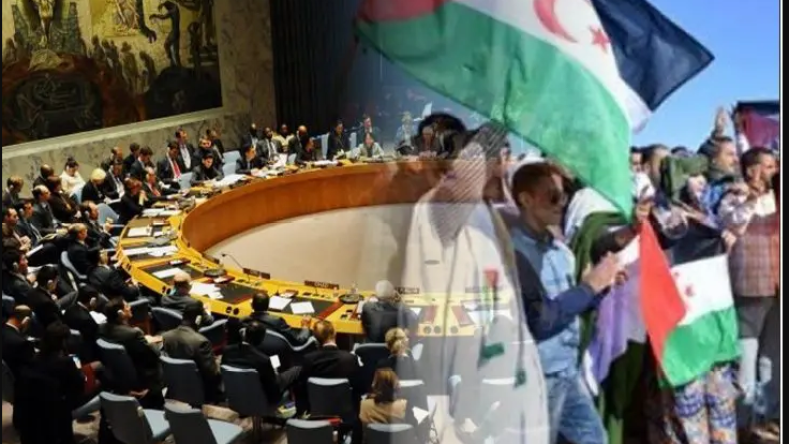
The UN Security Council adopted Resolution 2797 (2025) on 31 October 2025. This decision established the legal framework governing the ongoing operations concerning the status of Western Sahara. Resolution 2797 (2025) extended the mandate of the United Nations Mission for the Referendum in Western Sahara, known as MINURSO, until 31 October 2026. The extension mandates the mission to maintain its presence in the territory throughout this period to support the diplomatic objectives defined by the Council. UN officials confirmed the adoption of the resolution during the session held in New York. The extension marks the current duration for the mission's authorization regarding its activities in the region.
Charter Mandate and Limitations
Article 24 of the UN Charter grants the Security Council primary responsibility for maintaining international peace and security. Under this provision, the Council acts on behalf of member states to ensure prompt and effective action when addressing threats to global stability. The mandate empowers the body to oversee specific territorial situations where peace is considered at risk.
Article 1, paragraph 2 of the UN Charter establishes the right of peoples to self-determination as a purpose of the organization. This principle functions as a foundation for UN involvement in decolonization and territorial disputes. Legal interpretations of this clause often intersect with the Council's broader security responsibilities when determining the administrative status of contested lands.
The International Court of Justice issued an advisory opinion on the legal consequences of South Africa's continued presence in Namibia on 21 June 1971. This judicial finding clarified the obligations of the international community regarding territories held in defiance of UN mandates. The court determined that the presence of South Africa in Namibia was illegal and that the state was under an obligation to withdraw its administration immediately. Member states were advised to refrain from any acts and any dealings that would imply recognition of the legality of or lend support to the continued presence of South Africa in the territory. This precedent remains a reference point for legal arguments concerning the limits of territorial control and the scope of international oversight in Western Sahara (الصحراء الغربية).