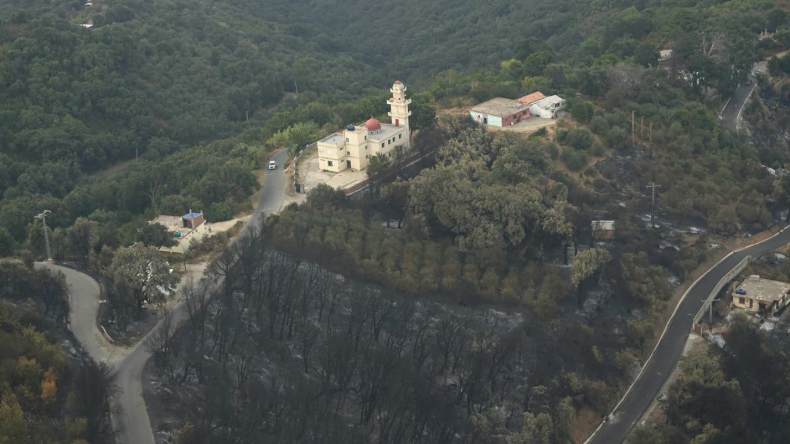
Search operations have been launched across various forests in Jijel province to locate individuals reported missing after massive fires devastated the region. The efforts are focused on areas most affected by the blazes, including the municipality of El Djemaa Beni Habib. In El Djemaa Beni Habib, which experienced a significant number of deaths and injuries, relatives of missing persons have also initiated their own search operations to find their loved ones amidst the devastation. The municipality of El Djemaa Beni Habib recorded a large number of deaths, injuries, and missing persons, prompting these urgent local search efforts. Many families are anxiously searching for missing relatives, holding onto the hope of finding their bodies for proper burial and closure.
Intensive Search Operations Underway
Families are actively searching for missing relatives, holding onto the hope of finding their bodies for proper burial. The search efforts are particularly poignant for individuals like Khala Zahira, whose elder son, Mohamed, has been missing since Wednesday evening. Khala Zahira stated, "My son Abdelhamid, or Hamido as I call him, died after the fire attacked his field and the family's field, consuming everything green and Abdelhamid too." She added that people were consoling her for Abdelhamid's loss, while she was also concerned about Mohamed, who had shown no sign of life after promising to collect the onion harvest and departing last Wednesday. Khala Zahira's elder son, Mohamed, has been missing since Wednesday evening, adding to the family's profound distress.
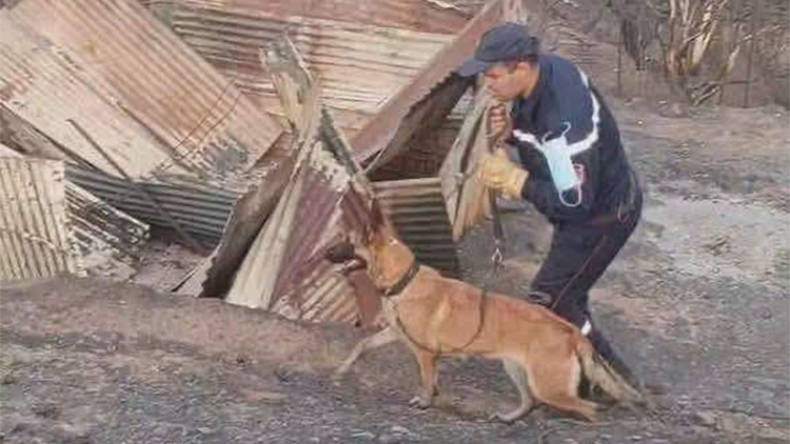
A specialized technical unit dedicated to searching for missing persons has been deployed to assist in these operations. This unit is supported by trained dogs, enhancing the effectiveness of the search in the challenging terrain. The deployment of this specialized team shows the gravity of the situation and the commitment to finding those still unaccounted for. Meanwhile, charred bodies are being discovered periodically across many of the affected areas. These remains belong to individuals who tragically lost their lives while attempting to escape the rapidly advancing flames. The discovery of these remains notes the ferocity and speed with which the fires spread, leaving little time for escape for many residents. The ongoing search for the missing is a critical and emotionally charged component of the overall response to the disaster.
Authorities Assess Fire Damage and Coordinate Response
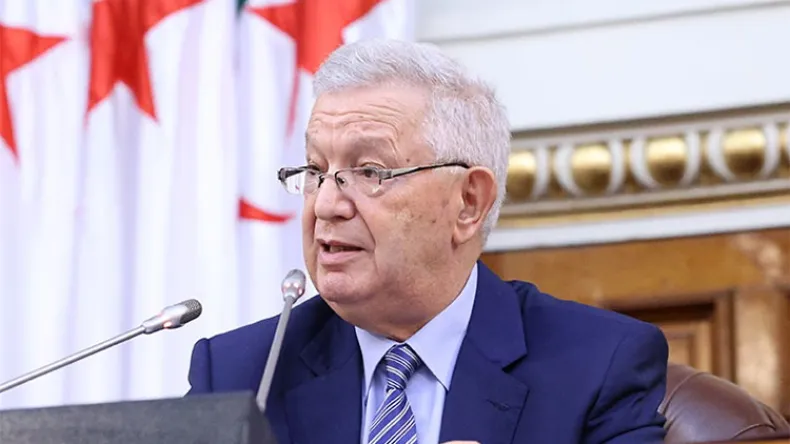
An inventory of those affected by the forest fires across Jijel province commenced on Saturday. This assessment follows a meeting chaired by the Governor of Jijel, Ahmed Meglati, on Friday, where the situation was studied and the impact of the fires evaluated. During the meeting, instructions were issued for the formation of municipal cells specifically tasked with damage assessment. Additionally, cells comprising personnel from the health and solidarity sectors were directed to be established to address the broader needs of the affected population. The Governor of Jijel, Ahmed Meglati, played a key role in orchestrating the initial response and assessment efforts. These full measures are designed to ensure that all aspects of the disaster, from immediate relief to long-term recovery, are addressed.
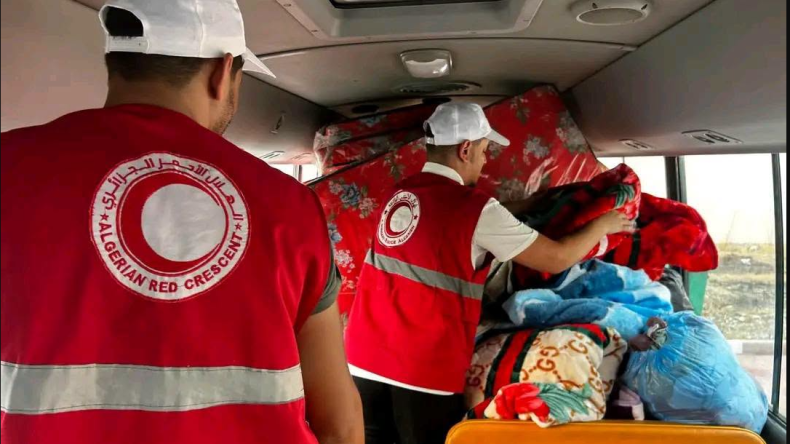
The damage assessment efforts are full, extending beyond human impact. An inventory of dead animals is also being conducted as part of the overall evaluation. This detailed accounting is key for understanding the full ecological and economic toll of the fires on the region's agricultural and natural resources. To facilitate support for those impacted by the fires, affected municipalities have been tasked with establishing collection points. These points are intended to centralize aid and resources for residents grappling with the aftermath of the widespread devastation. The establishment of these collection points aims to streamline the distribution of essential supplies and assistance to those most in need, ensuring an organized and effective relief effort.
Community Appeals and Future Needs Amidst Recovery Efforts
Khala Zahira's son, Abdelhamid (Hamido), died in the fire, as the blazes consumed his field and the family's land. "My son Abdelhamid, or Hamido as I call him, died after the fire attacked his field and the family's field, consuming everything green and Abdelhamid too," Khala Zahira stated. "People are consoling الحاجة زهيرة for the loss of her beloved son, while she is also thinking about her elder son Mohamed, who has shown no sign of life. He promised her he would collect the onion harvest and left last Wednesday, and has not returned." The personal testimonies like Khala Zahira's show the profound human cost of the fires, touching countless families in the region.
To combat the widespread fires, the Civil Protection dispatched an operational team comprising three buses, six ambulances, a fire truck, and 124 personnel. This substantial deployment illustrates the scale of the emergency and the coordinated effort required to bring the blazes under control and provide immediate assistance. Efforts are currently underway to address significant electricity outages in affected villages, with Sonelgaz technical teams working to repair damaged infrastructure. The restoration of electricity is a critical step in normalizing life for residents and facilitating recovery operations. The fires devastated agricultural lands, including pear, peach, and olive trees, impacting local livelihoods significantly. The destruction of these vital crops represents a severe blow to the region's agricultural economy and the livelihoods of many families.
Masoud Baz, Mayor of Taksana, and Mourad Ben Cheban, Mayor of Selma Ben Ziada, confirmed that special committees are evaluating the extensive damages. The mayors noted, "The assistance received was heartening, pending strong government programs to restore the region's smile and greenery." Hashem Frites, a resident of El Djemaa Beni Habib, reported that local residents are still searching for a neighbor who has been missing since Wednesday. This ongoing search by community members notes the personal commitment and collective spirit in the face of tragedy. Residents are also requesting more forest paths, civil protection centers located nearer to forests, and full assistance for those affected by the fires. These requests reflect a desire for improved infrastructure and preparedness to mitigate future disasters and ensure better support for communities. The long-term recovery will require sustained effort and resources to rebuild homes, restore livelihoods, and heal the emotional scars left by the devastating fires.