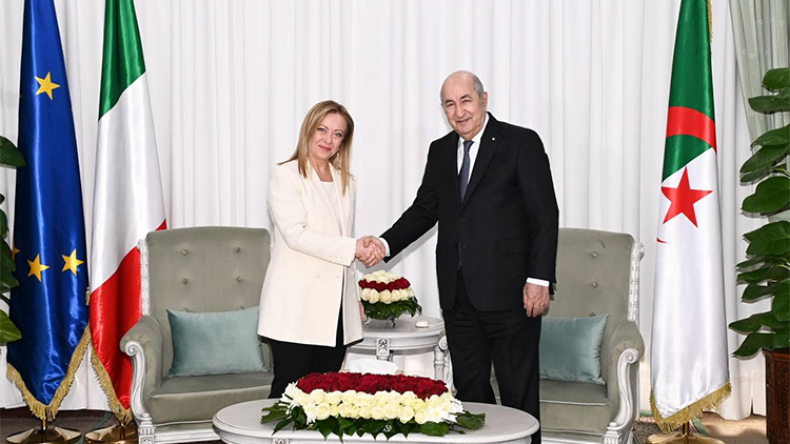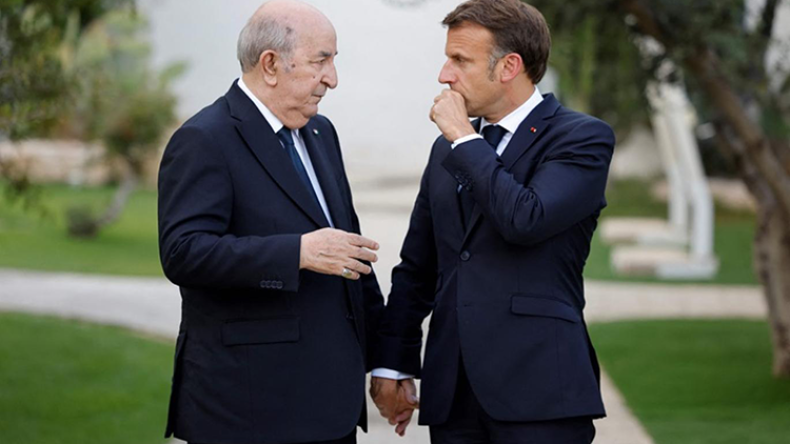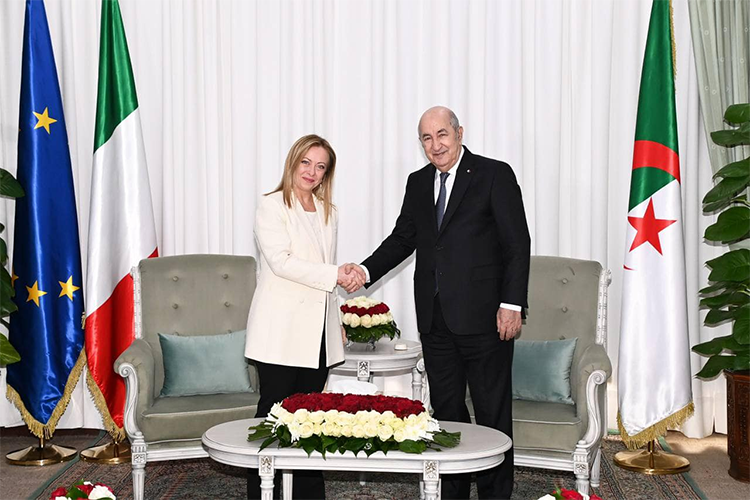
A full Italian analytical study, published Monday by the economics and finance website LaMia Finanza, confirmed Algeria's strategic value for Italy, asserting its significance extends far beyond mere commercial importance to encompass critical aspects of national security. The study, which provided an in-depth examination of the bilateral ties, specifically noted the relationship between Italy and Algeria as a key pillar of energy policy in the Mediterranean region. This strategic partnership gained particular prominence as Algeria emerged as a key element in Italy’s energy diversification strategy after 2022, following a period of significant geopolitical shifts.
Strategic Pillars of Cooperation
The relationship between Italy and Algeria, as detailed in the study, extends well beyond traditional commercial interests, acquiring profound strategic importance due to its intrinsic links to national security and the stability of energy supply. This significance is further amplified by Italy's broader expansion into North Africa and Southern Europe’s concerted efforts to mitigate vulnerabilities stemming from complex geopolitical divisions. These divisions include the ongoing conflict in Ukraine, escalating tensions in the Middle East, and the intensifying global competition for essential infrastructure. A vital artery in this critical energy partnership is the Transmed pipeline, which efficiently connects Algeria to Italy via Tunisia, ensuring a consistent flow of natural gas.
The full analytical study, which detailed these strategic considerations and showed their long-term implications, was authored by Professor Marco Pacini and lawyer Francesco Serra. Their careful analysis emphasizes that the connection between the two nations should be viewed through a broader, more strategic lens, considering the multifaceted challenges of the contemporary global landscape. "As such, our relationship with Algeria should be approached as a strategic priority rather than just a commercial transaction," the study explicitly states. This perspective notes the multifaceted nature of the partnership, positioning it as a key component of Italy's long-term energy security and overall national strategy. This strategic approach is seen as essential for Rome to navigate the complexities of international energy markets and secure its future energy needs.
Broader Geopolitical Context
Italy recognized that its energy dependence could become a significant strategic vulnerability following the 2022 crisis, which dramatically reshaped European energy policies. Europe was compelled to fundamentally reevaluate its supply chains due to the gradual reduction in Russian gas supplies, a trend that is expected to culminate in the complete halt of transit through Ukraine starting January 1, 2025. This impending change necessitates strong alternative supply routes and partners. The stability of the gas market, a critical component of national and regional security, is influenced by a complex interplay of several factors. These include the security of maritime routes, the governmental stability in gas-producing regions, the production capacities of suppliers, external pressures exerted on supply chains, and the inherent vulnerability of the digital infrastructure that manages the intricate processes of extraction, transportation, and distribution.
In the contemporary geopolitical environment, national security considerations now extend far beyond traditional borders and conventional military defense. This broader and more inclusive definition encompasses a wide array of critical domains, including energy security, the integrity of data, the resilience of critical infrastructure, the robustness of supply chains, advancements in technological capabilities, access to essential resources, the security of ports, the protection of submarine cables, the reliability of strong digital networks, and the strength of industrial capabilities. Algeria offers Rome greater predictability in energy supply compared to other regions, despite the broader geopolitical challenges that characterize the current international climate. This predictability is a significant asset for Italy's long-term energy planning.
The Mattei Plan Framework
Algeria maintains a distinctive and independent foreign policy, which allows it to engage with various global powers without compromising its strategic autonomy. The North African nation has historical military ties with Russia and maintains significant economic relationships with China. Despite these established connections, Algeria remains consistently open to cooperation with Europe, steadfastly upholding its sovereignty in all international engagements. This independent stance provides a unique advantage, as it allows Algeria to be a reliable partner without being unduly influenced by external pressures that might affect other energy suppliers.
This strategic approach to diversification, championed by Italy, involves creating a flexible and adaptable energy system capable of addressing a wide range of challenges. It aims to move beyond merely substituting one energy resource for another, instead focusing on building a resilient and dynamic energy framework. Within this context, the "Mattei Plan" emerges as a key framework for transforming energy into a full political and economic cooperation initiative between Italy and its partners, including Algeria. This plan seeks to foster deeper, more integrated partnerships that leverage energy as a catalyst for broader development and stability, reinforcing Italy's strategic position in the Mediterranean and beyond.