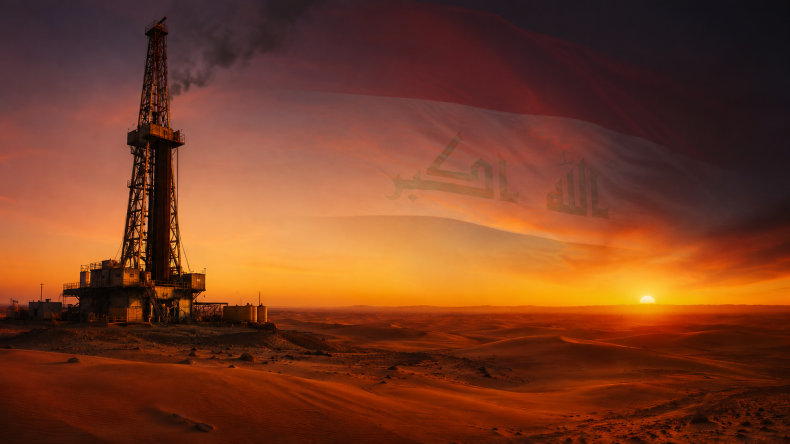
Iraq's Oil Ministry denied reports on June 25, 2026, that Baghdad threatened to withdraw from the Organization of the Petroleum Exporting Countries (OPEC). The ministry stated that these claims do not reflect the official position of the Iraqi government. This denial came in response to speculation regarding Iraq's future within the influential oil cartel. Salim Al-Raqqad, spokesperson for the Iraqi Ministry of Oil, told Bloomberg News that Iraq currently has no intention of leaving the organization. Mr. Al-Raqqad affirmed Baghdad's commitment to working within OPEC's established frameworks and mechanisms, showing the nation's dedication to its role as a member.
Iraq's OPEC Position Explained
The Iraqi Ministry of Oil indicated the importance of re-evaluating production ceilings to align with the country's sustainable production capacities and specific circumstances, including its security and economic conditions. This re-evaluation is deemed key for Iraq to effectively manage its oil resources and meet its national requirements. Iraq's demands regarding its production quota are addressed within the technical and consensus mechanisms adopted by OPEC and the OPEC+ alliance. These mechanisms are designed to facilitate dialogue and agreement among member states on production levels. Salim Al-Raqqad, spokesperson for the Iraqi Ministry of Oil, stated that the ministry is proceeding with plans to increase production in line with its capabilities and self-needs. Mr. Al-Raqqad further stressed the necessity for OPEC to take these factors into account by raising Iraq's production level within the organization. He reiterated that Iraq is actively working to optimize its oil output to support its domestic economy and meet global energy demands responsibly.
Context of Financial Crisis
These warnings emerge as Iraq confronts a severe financial crisis. The crisis stems from a significant decline in its oil exports, a direct consequence of the repercussions of the Iran war. The conflict inflicted disruptions on shipping routes through the Strait of Hormuz, a critical choke point for global oil trade. These disruptions subsequently led to a substantial increase in insurance premiums and overall maritime shipping costs for vessels operating in the region. The heightened operational expenses and security concerns have had a direct impact on Iraq's ability to export its crude oil efficiently. As a result, the quantities of oil exported from Iraq's Basra ports have experienced a noticeable decline, contributing significantly to the country's financial strain. The financial pressures have intensified the urgency for Iraq to maximize its oil revenues, making its production quota within OPEC a matter of national economic importance.
OPEC's Production Reassessment
OPEC member states initiated a process to reassess sustainable maximum production capacity. This reassessment is being conducted in coordination with an independent international consulting firm. Iraq is actively participating in this process, following an approved timeline. The initiative aims to evaluate the long-term production potential of member countries within the organization's framework, ensuring that quotas are based on realistic and verified capacities. This collaborative effort is intended to provide a transparent and equitable basis for future production adjustments across the cartel. The involvement of an independent firm notes the commitment to a data-driven approach in determining each member's sustainable output.
Potential Decisive Action
He added that if there is no response, the state will have to make a decisive decision regarding continuing or withdrawing from OPEC within the current year. This statement shows the seriousness of Iraq's position and its expectation for a favorable adjustment to its production quota. The potential for such a significant decision reflects the deep financial challenges Iraq is facing and its determination to safeguard its economic interests.