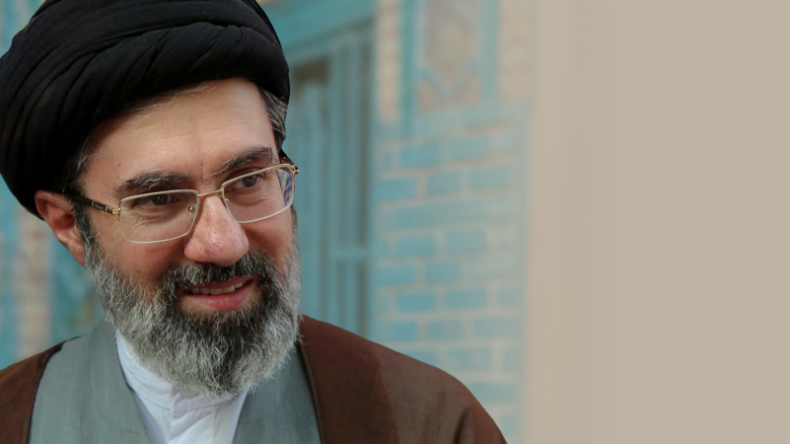
Iran's Supreme Leader, Mojtaba Khamenei, sent a message to the rulers of the Gulf states on Sunday via his Telegram account, urging them to identify their "real enemy." Khamenei's communication comes amid regional tensions. The Supreme Leader did not specifically name the entity he referred to as the "real enemy" in his message to the Gulf states. His statement has prompted speculation regarding the intended target of his warning, as the unspecified nature of the adversary allows for broad interpretation across the region.
Message Context and Content
The message from Mojtaba Khamenei urged Gulf state rulers to identify their "real enemy." This communication was published on the occasion of the Prophet's birthday, according to a Reuters report. The Supreme Leader's statement did not explicitly name the entity he described as the "real enemy." This omission has led to various interpretations regarding the intended recipient of his warning, leaving Gulf states to ponder the identity of the implied adversary. The message, disseminated via his Telegram account, shows Iran's perspective on regional dynamics. It serves as a direct appeal to the leadership of Gulf countries to reconsider their alliances and perceived threats in the broader Middle East. Khamenei specifically called on the rulers of the Gulf states to "know their real enemy, understand its plans, and confront it," providing a clear directive for action without specifying the target. This detailed instruction emphasizes a proactive stance against the unnamed foe, noting the importance of strategic awareness and unified opposition.
Call for Muslim Unity
Mojtaba Khamenei, Iran's Supreme Leader, emphasized the key need for solidarity and collective action among Muslim nations. He stressed the importance of unity, joint defense, and cooperation, according to a message disseminated via his Telegram account. Khamenei's appeal for Muslim unity comes as part of a broader message directed at the rulers of Gulf states. The Supreme Leader's communication urged these states to identify what he referred to as their "real enemy," without explicitly naming the entity. This call for enhanced collaboration among Muslim countries suggests a focus on regional self-reliance and a shared defense strategy against perceived external threats. His message noted the significance of internal cohesion within the Muslim world to address contemporary challenges, advocating for a united front to tackle regional complexities. The emphasis on joint defense and cooperation among Muslims suggests a vision for collective security that transcends individual state interests, aiming for a broader regional alignment.
Regional Dynamics and Implications
The message from Iran's Supreme Leader, Mojtaba Khamenei, directly called on the rulers of the Gulf states to "know their real enemy, understand its plans, and confront it." This directive, disseminated via his Telegram account, urged Gulf nations to critically assess external influences and potential adversaries in the region. Khamenei's communication did not explicitly name the entity he was referring to as the "real enemy," leaving the interpretation open for the Gulf states. The statement suggests a push for regional actors to align their strategic interests and perceptions of threats in a manner consistent with Iran's view. This appeal aims to reframe how Gulf leaders identify and respond to perceived challenges, emphasizing a unified approach against a common, albeit unspecified, foe. The deliberate omission of the "real enemy's" name places the onus on Gulf states to interpret the warning within their own geopolitical contexts, potentially fostering a re-evaluation of existing alliances and security postures. The message implies that a clear understanding of this unnamed adversary's intentions and strategies is critical for regional stability and collective defense.