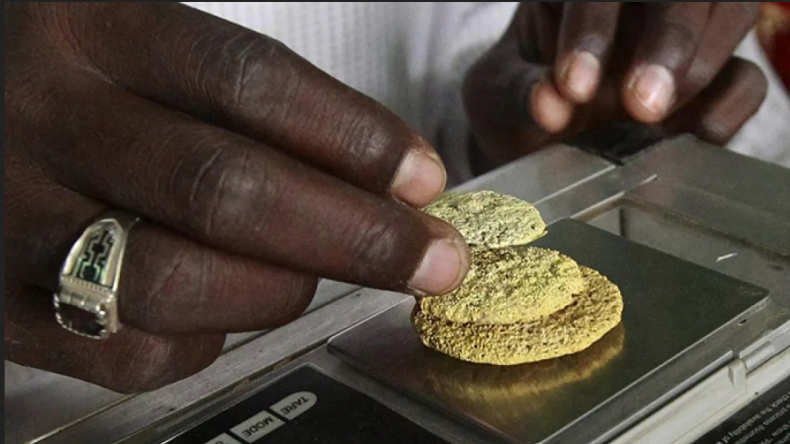
A Financial Times investigation identified gold bars valued at over $100 million that reached the UAE following the outbreak of conflict in Sudan in April 2023. These assets were allegedly stolen from the Sudanese state gold refinery and central bank during the early days of the war. The report specifies that these gold bars, once held in state custody, were moved out of the country as the security situation deteriorated. Separately, the Rapid Support Forces seized at least 1.5 tons of gold along with jewelry from bank vaults. This confiscated material held a value of approximately $100 million at the time of the seizure. The movement of these resources from the central bank and refinery into the UAE remains a focal point of recent reports regarding the Sudanese conflict.
Transport Routes and Networks
Cargo planes of both civilian and military designation transported gold to the UAE from Juba airport in South Sudan, according to an investigation citing a source familiar with the logistics. These flights facilitated the movement of assets across the border into regional transit hubs, allowing the gold to enter the international supply chain. The source noted that the use of both civilian and military aircraft provided a layer of operational flexibility for those moving the precious metal.
Separately, The Sentry published a report in October 2025 identifying a business network operating within the UAE. This investigation alleges that the network assisted the Rapid Support Forces in funding military operations through the sale of smuggled gold. The findings indicate that these commercial entities played a role in converting seized resources into capital for the ongoing conflict. The Sentry maintains that this infrastructure allowed the Rapid Support Forces to sustain their activities by bypassing traditional financial oversight mechanisms, effectively masking the origin of the gold as it reached global markets.
Ongoing Smuggling and Logistics
Sudan Tribune reported in August 2026 that gold smuggled from Darfur and South Kordofan continues to cross into South Sudan. Once there, the material is melted and reshaped before being exported to Dubai. This process of melting and reshaping is designed to obscure the provenance of the gold, making it difficult for authorities to identify the material as having been sourced from conflict-affected regions in Sudan.
A UN fact-finding mission released a report in September 2026 detailing a network involving individuals and entities in the UAE, Chad, Libya, and Somalia. This mission identified evidence that the network supplied the Rapid Support Forces with weapons, equipment, and logistical support. The UN mission’s findings emphasize the transnational nature of the support network, connecting various regional jurisdictions to the ongoing fighting within Sudan.
European Union authorities tightened measures regarding Sudan in July 2026. These regulations ban the purchase, import, or transport of Sudanese gold. The measures also restrict the supply of mercury and cyanide, which are used in mining operations. By targeting the chemical inputs necessary for gold extraction, the European Union aims to disrupt the production cycle that feeds the smuggling networks currently linked to the Rapid Support Forces.