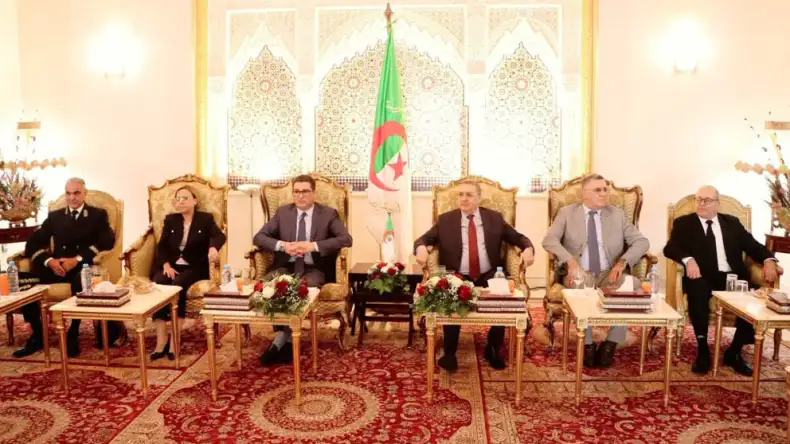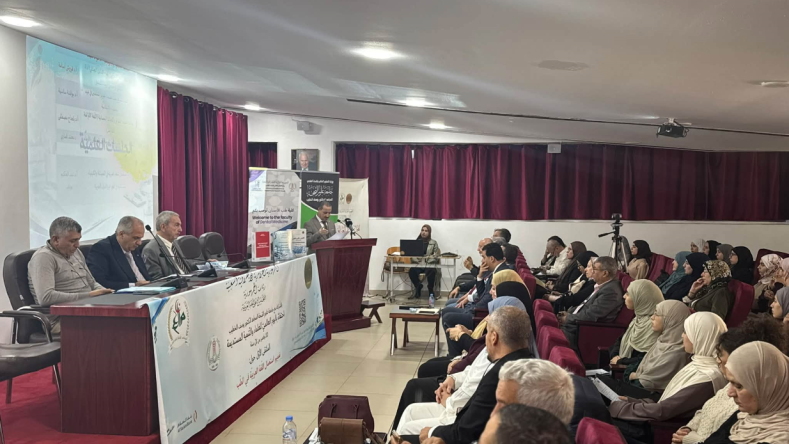
The High Council for the Arabic Language and the Mujahid Dr. Youssef El Khatib University of Health Sciences hosted a medical forum in Algiers on Tuesday, 10 November 2026. The event, held on Tuesday, November 10, 2026, in Algiers, brought together a diverse group of professionals to deliberate on the role of the Arabic language within the healthcare sector. The event was organized by the High Council for the Arabic Language in coordination with the Mujahid Dr. Youssef El Khatib University of Health Sciences.
Saleh Belaid, President of the High Council for the Arabic Language, stated, "This is not a linguistic initiative, but a cultural effort that reflects identity and scientific independence." His remarks showed the broader mission of the council in promoting the language across various professional disciplines.
Fouad Shiha, President of the Scientific Committee of the Forum, argued that "Generalizing the use of the Arabic language in clinical explanations, medical diagnostic weighting, or health documents is a practical and urgent necessity in order to build trust between the practitioner and the patient and improve the quality of life and sound care." Professor Merzag Gharnout, Director of the University of Health Sciences, added that the language remains a "pillar of our national and civilizational identity."
Objectives of the Medical Forum
Organizers designed the forum to facilitate the exchange of ideas among doctors, specialists, surgeons, and linguists regarding the use of Arabic within the medical field. The forum aimed to facilitate the exchange of ideas between doctors, specialists, surgeons, and linguists regarding the use of Arabic in the medical field. Participants examined how language integration affects medical education and the drafting of forensic medical reports. The forum included discussions on the impact of Arabic in medical education, forensic medical reports, and the use of artificial intelligence in Arabizing medical terminology.
Discussions also addressed the use of artificial intelligence to assist in the Arabization of medical terminology. Experts at the event explored the technical and linguistic challenges involved in this transition, emphasizing the need for standardized terminology that maintains scientific accuracy. Fouad Shiha, President of the Scientific Committee of the Forum, stated, "The unprecedented transformations witnessed in the 21st century in the fields of medical and paramedical sciences, from genomics and targeted monotherapy to artificial intelligence discoveries, force researchers in the efforts to Arabize medical sciences to ask an enthusiastic and fundamental question at the same time: how can we absorb this cognitive acceleration and how can it be localized in our Arab environment and culture?"
This dialogue noted the necessity of aligning modern medical advancements with the linguistic tools available to practitioners. By integrating these scientific developments into the Arabic language, the organizers believe the medical community can better serve the population while reinforcing the status of the language as a medium for high-level scientific communication. The forum concluded with a commitment to continue these discussions, ensuring that the integration of Arabic into medical practice remains an ongoing priority for the High Council for the Arabic Language and the Mujahid Dr. Youssef El Khatib University of Health Sciences.