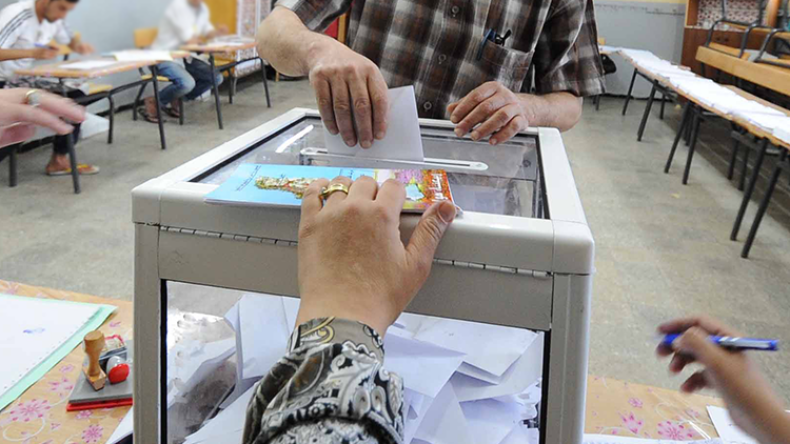
Political formations are receiving initial responses regarding their candidates' files for the upcoming legislative elections across several wilayas. According to sources from Echorouk (الشروق), these initial responses have been "negative," indicating a rigorous vetting process. The rejections of candidate applications are prompting parties to consider their next steps as the election cycle progresses, often under tight deadlines. The developments signal potential challenges for political formations aiming to secure adequate representation in the legislative body, impacting their strategic planning and outreach efforts. This rigorous scrutiny of candidate files notes the electoral authorities' commitment to upholding the integrity of the upcoming elections.
Widespread Rejections Impact Leaders
The "elimination guillotine" has impacted several heavyweight leaders, most of whom were elected to national and local popular councils, indicating a broad scope of review. Many of these individuals previously held elected positions in national and local popular councils, making their rejections particularly notable. According to Echorouk (الشروق), these rejections have significantly altered party lists ahead of the elections, forcing formations to recalibrate their electoral strategies. In some wilayas, the impact has been severe, with only two candidates accepted from a nine-member list, while the remaining seven applicants were rejected. This stark statistic shows the extensive nature of the disqualifications. The widespread rejections are forcing political formations to reassess their strategies and identify alternative candidates to present for the upcoming legislative elections. This development creates significant challenges for parties aiming to secure parliamentary representation across the various wilayas, potentially leading to last-minute adjustments to their slates.
Reasons Behind the Cuts
Reasons for candidate rejections are primarily linked to Article 200 of the election law, which addresses candidates' lack of ties to corrupt money. This specific article stipulates stringent criteria intended to ensure that individuals running for office are not implicated in financial misconduct or illicit dealings. The application of Article 200 has been cited as a key factor in the widespread dismissals of candidate files across various political formations, reflecting a concerted effort to combat corruption within the political landscape. Electoral authorities have reportedly focused intently on this provision to vet applicants, leading to numerous disqualifications that have reshaped the candidate pool. Parties are now examining the implications of these decisions on their ability to field full candidate lists ahead of the legislative elections, contemplating the necessity of finding new, compliant candidates.
Capital City's Candidate Landscape
The capital city remains a key focus for political formations, which are currently awaiting initial responses from the Independent National Electoral Authority early next week. This critical electoral district is often seen as a barometer for national political sentiment. Out of all competing parties, only seven political formations successfully secured a presence on their candidate lists in the capital, noting the competitive and challenging environment. These formations include the National Liberation Front (FLN), the National Democratic Rally (RND), the Movement for the Society of Peace (MSP), the Hamas Movement, the Future Front, the Workers' Party, and the Socialist Forces Front (FFS). The limited number of successful lists indicates a highly selective process in the critical electoral district, where political stakes are particularly high. This situation suggests that many other parties faced rejections for their proposed candidates in the capital.
Appeals and Future Prospects
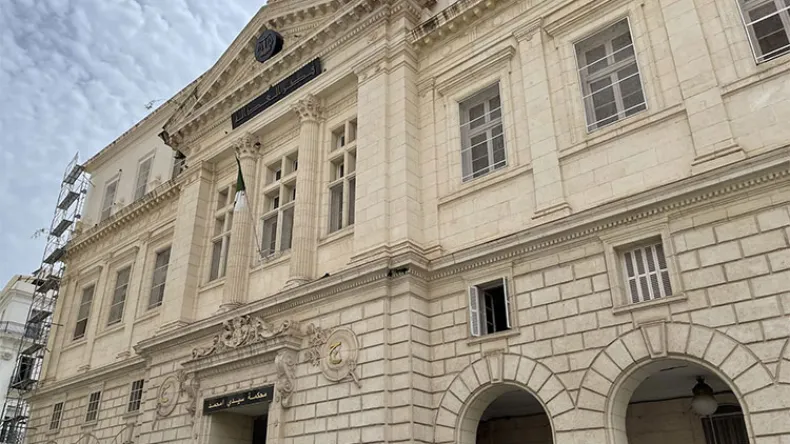
The Independent National Electoral Authority continues to study candidate files, leaving the door open for those whose applications were initially rejected, indicating an ongoing review process. Candidates whose files are rejected retain the right to appeal these decisions, providing a mechanism for recourse. They may first appeal before administrative judicial bodies, seeking a review of the initial decision based on legal grounds. Subsequently, they can pursue further appeals, adhering strictly to established legal deadlines. This appeals process is key for ensuring fairness and transparency within the electoral system, allowing candidates to challenge perceived injustices in their disqualification. The final outcomes of these appeals will significantly shape the definitive candidate lists for the legislative elections.