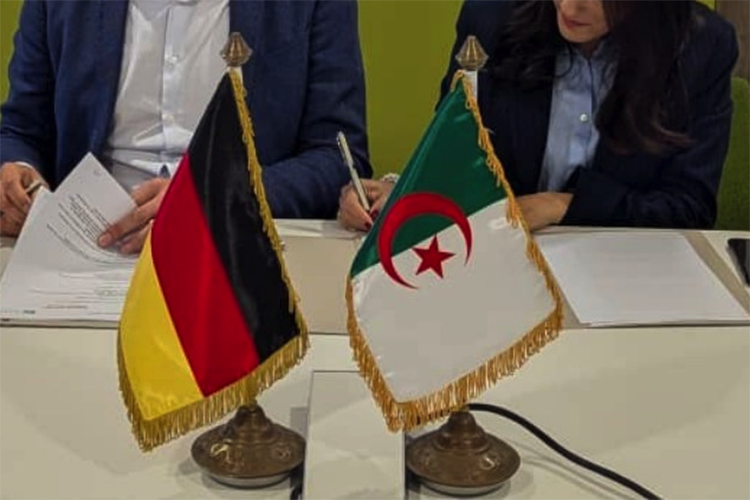
Leveraging German expertise, Germany has partnered with Algeria to enhance efforts in reducing energy waste in the building sector through a new technical project. This new technical project focuses on modernizing the regulatory framework for energy efficiency and reinforcing sustainable building standards, aligning with the country’s energy transition goals. The initiative aims to modernize Algeria's regulatory framework for energy efficiency and reinforce sustainable building standards as part of the country’s energy transition goals. German international consulting and engineering firm Dorsch Impact announced the project's launch on Friday, stating its purpose is to assist Algeria in developing this framework. On Friday, the German international consulting and engineering firm Dorsch Impact announced the launch of a new project aimed at assisting Algeria in developing its regulatory framework for energy efficiency in buildings. The project seeks to reduce energy consumption in Algerian buildings over the medium and long term by creating a cohesive regulatory framework, fostering a market for energy efficiency, and promoting investment in sustainable construction. This project aims to reduce energy consumption in Algerian buildings over the medium and long term by creating a cohesive and effective regulatory framework that will foster a genuine market for energy efficiency and promote investment in sustainable construction.
Project Details and Goals
This initiative is part of the “Taqaty+” program, which is implemented by the German Agency for International Cooperation (GIZ) and funded by the German Federal Ministry for Economic Cooperation and Development. The initiative forms part of the “Taqaty+” program, which the German Agency for International Cooperation (GIZ) implements. Funding for this program is provided by the German Federal Ministry for Economic Cooperation and Development. The project specifically targets Algeria’s construction sector, identified as a significant energy consumer alongside transportation and industry within the country. The project focuses on Algeria’s construction sector, a major energy user, along with transportation and industry. This technical initiative is designed to support Algerian authorities in updating the legal and institutional framework governing energy efficiency in buildings. This technical initiative aims to assist Algerian authorities in updating the legal and institutional framework for energy efficiency in buildings, which is a vital component of the National Energy Efficiency Program 2025-2035. Such updates are considered a vital component of Algeria's National Energy Efficiency Program 2025-2035. The initiative is expected to accelerate the implementation of the National Energy Efficiency Program 2025-2035. This initiative will expedite the implementation of the National Energy Efficiency Program 2025-2035 and enhance Algeria’s ability to tackle climate challenges while decreasing reliance on traditional energy sources. It also aims to enhance Algeria’s capacity to address climate challenges and reduce its dependence on traditional energy sources.
Methodology and Phases
The project consists of multiple phases, starting with an initial assessment of the energy efficiency market in Algeria. The project will commence with an initial assessment of the energy efficiency market in Algeria, marking the first phase of its methodology. Following this evaluation, the team will proceed to a second phase that involves an international benchmarking exercise. The team is moving forward with a second phase that includes an international benchmarking exercise with three chosen reference countries. This exercise will compare Algeria's framework with three carefully selected reference countries. The initiative is designed to conclude with a series of workshops. It will conclude with workshops involving national stakeholders to present the findings and discuss implementation strategies. These workshops will bring together national stakeholders to review the findings from the preceding phases and engage in discussions regarding potential implementation strategies for the proposed energy efficiency measures. This structured approach aims to ensure a full understanding of Algeria's current energy landscape and to develop actionable plans for its improvement.
Context and Future Impact
Algeria's significant housing initiatives show the urgency of integrating energy efficiency measures. The government’s “AADL 3” program plans to build one million homes for middle-class families. The government's "AADL 3" program, for instance, plans to construct one million homes specifically for middle-class families. This large-scale development presents a substantial opportunity for the new partnership to influence future energy consumption patterns. Ensuring these new residential units adopt the proposed energy efficiency standards could significantly reduce the country's overall energy demand in the long term. The project's success in modernizing Algeria's regulatory framework and promoting sustainable building standards could therefore have a profound impact on the environmental footprint of these upcoming housing developments, aligning with Algeria's broader energy transition goals and efforts to address climate challenges. The partnership aims to establish a market for energy efficiency, fostering investment in sustainable construction practices across such large-scale projects.