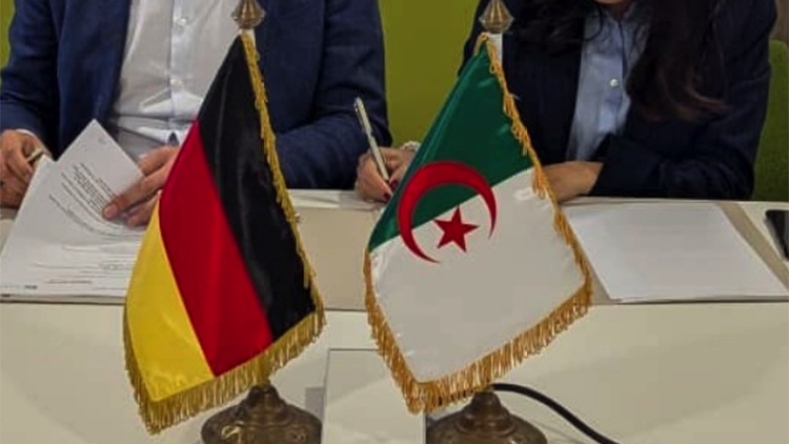
German expertise is now supporting Algeria's efforts to reduce energy waste in its building sector through a new technical project. This intervention by German specialists is designed to provide full assistance in modernizing Algeria's approach to energy consumption within its extensive building infrastructure. The German international consulting and engineering office Dorsch Impact announced the launch of this initiative on Friday. The project aims to update Algeria's energy efficiency regulatory framework and strengthen sustainable building standards, thereby fostering a more environmentally conscious and economically efficient construction sector. Funding for the project is provided by the German Federal Ministry for Economic Cooperation and Development, showing Germany's commitment to international cooperation on climate and energy goals.
Project Goals and Context
The new initiative forms part of the "TaqatHy+" program, which the German Agency for International Cooperation (GIZ) implements. This broader program focuses on various aspects of sustainable energy development. This specific project within "TaqatHy+" particularly targets Algeria's construction sector, identified as one of the country's most energy-consuming sectors, alongside transport and industry. The significant energy demand from buildings presents a clear opportunity for substantial reductions in overall national energy consumption. Officials noted that Algeria's existing energy efficiency regulatory framework is characterized by fragmentation and lacks clear incentive mechanisms and applicable standards. This fragmented approach has hindered effective implementation of energy-saving measures and the widespread adoption of sustainable building practices.
Improving this framework is particularly relevant in light of the "AADL 3" program, which aims to construct one million housing units for the middle class. The sheer scale of this housing program makes the integration of energy-efficient designs and materials critically important for Algeria's long-term energy strategy. The project is also a key pillar of Algeria's full National Energy Efficiency Program 2025-2035, serving as a foundational element for achieving the broader objectives outlined in the national strategy. The collaboration with German experts is expected to provide the necessary technical guidance and support to align the building sector with these ambitious national energy targets.
Technical Approach and Phases
The technical intervention supports Algerian authorities in updating the legal and institutional system for energy efficiency within the building sector. This systematic approach is designed to address the current deficiencies in the regulatory landscape. The project includes several distinct work phases, beginning with an initial diagnosis of the energy efficiency market and an analysis of the current regulatory framework. This foundational phase is key for understanding the prevailing conditions and identifying specific areas for improvement. This phase also involves the classification of climatic zones, a study of previous sectoral studies, and the preparation of institutional maps for green electricity accreditation. These detailed preparatory steps ensure that the subsequent recommendations are tailored to Algeria's unique environmental and administrative context.
A second phase is dedicated to an international comparison, examining three reference countries to identify and analyze best practices. This comparison focuses on standards, incentive mechanisms, energy rating certificates, and regulatory requirements employed elsewhere, providing valuable insights into successful models that could be adapted for Algeria. The objective is to learn from global leaders in energy efficiency and adapt their effective strategies to the Algerian context, avoiding pitfalls and accelerating progress. Later phases of the initiative will concentrate on formulating practical recommendations for regulatory reform. These recommendations will include proposals for market mechanisms, financial incentives, and strategies designed to develop the energy efficiency sector, culminating in the preparation of an actionable roadmap. The inclusion of market mechanisms and financial incentives is key for encouraging private sector participation and investment in sustainable construction. The project concludes with a series of workshops for national stakeholders. These workshops will serve to present the project's results and facilitate discussions on implementation, with the goal of achieving institutional integration of the proposed reforms and ensuring broad acceptance and commitment among all relevant parties.
Expected Outcomes and Impact
The project is expected to contribute significantly to reducing energy consumption in Algerian buildings over the medium and long term by establishing a unified and effective regulatory framework. This framework will provide clear guidelines and incentives, fostering a culture of energy efficiency throughout the construction lifecycle. It aims to create a real market for energy efficiency, encouraging investment in sustainable construction practices within the country. By stimulating investment, the project seeks to drive innovation and job creation in the green building sector. The initiative is also anticipated to accelerate the implementation of Algeria's full National Energy Efficiency Program 2025-2035, helping the nation meet its ambitious energy targets more effectively. The project will enhance Algeria's capacity to address climate challenges. This effort is designed to reduce the nation's reliance on traditional energy sources, contributing to energy security and environmental sustainability. By promoting energy efficiency, Algeria will not only reduce its carbon footprint but also free up valuable energy resources for other economic activities or export.