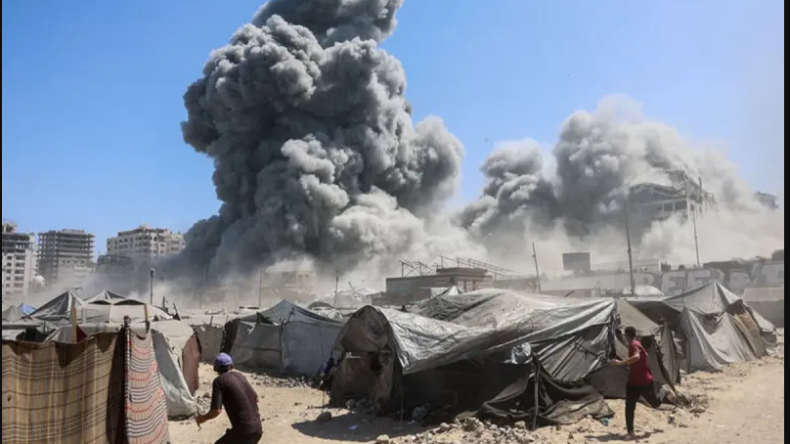
Heavy rains and flooding in Gaza have submerged 70,000 tents, compounding the conditions for 2.4 million Palestinians currently living under a blockade. Cold weather and subsequent flooding have resulted in the deaths of 3 children and 2 women, while 2 additional children died due to the cold. The 'Peace Council' established by Trump issued a statement regarding the conditions, noting, "The situation in Gaza has turned into an immediate humanitarian emergency." These environmental factors continue to impact the population as displacement remains widespread throughout the territory. Local infrastructure faces ongoing strain, leaving families without shelter as temperatures drop. Current conditions remain critical for those residing in temporary housing across the region.
Living Conditions In Gaza
Gaza contains 270,000 dilapidated tents currently housing Palestinians. These structures remain the primary form of shelter for displaced individuals across the territory. Frequent exposure to extreme weather patterns continues to deteriorate the integrity of these units. Families residing in these tents encounter persistent difficulties as the available housing struggles to provide protection against environmental hazards. The sheer volume of these temporary accommodations reflects the ongoing density of the displaced population in the area. Local residents maintain these makeshift dwellings while facing consistent shortages of materials required for permanent repairs. Every tent serves as a point of concern for those managing the shelter needs of the population. These living arrangements remain a central element of the current crisis affecting residents throughout the region.
Ceasefire And Political Stalemate
Israel signed a ceasefire agreement and humanitarian protocol in October 2025. This development marked a formal shift in the security arrangements within the territory. Exactly 13 months have passed since the ceasefire agreement took effect. Despite this duration, the reconstruction of Gaza remains stalled as political negotiations continue without resolution. Hamas agreed on 31 July to store its heavy weapons as part of the broader security framework established during the period. The implementation of this storage commitment remains a central point of discussion among involved parties. These commitments were intended to stabilize the region, yet the humanitarian situation persists as infrastructure remains damaged and housing shortages continue to affect the displaced population.
Territorial Control And Reconstruction
Israel currently controls 70 percent of Gaza's land area. This territorial presence remains a central factor in the ongoing status of the region. US officials stated to Axios that reconstruction will not begin until there is actual progress in disarming Hamas. These officials linked the resumption of large-scale building projects to the specific requirement for security changes regarding militant groups. The stance from the United States government maintains that infrastructure development depends on the verifiable removal of heavy weaponry from the territory. Political negotiations regarding these security conditions continue to influence the timeline for rebuilding efforts across the region. The current standoff between international stakeholders and local actors prevents the initiation of permanent housing construction for the displaced population.