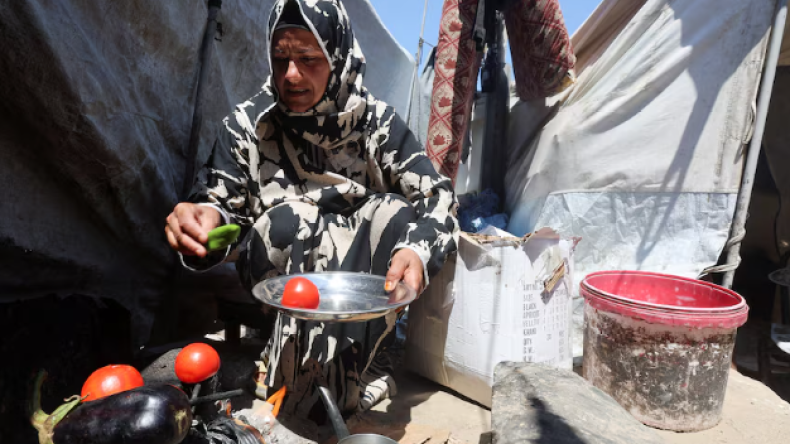
More than two-thirds of Gaza's population could face severe hunger by the end of the current year, the global IPC observatory warned on Thursday. The Integrated Food Security Phase Classification (IPC) initiative stated that this number is expected to rise to more than 1.4 million people by December. This figure represents 67 percent of the Gaza Strip's total population, showing the escalating food insecurity in the region. The IPC's warning notes a deepening humanitarian crisis, indicating that a significant majority of residents will struggle to access sufficient food in the coming months without urgent intervention.
Current Hunger Levels
More than 1.2 million people, representing approximately 59 percent of Gaza's population, experienced severe hunger between mid-April and the end of June. During this period, a significant portion of the population struggled to secure adequate food supplies, facing dire conditions due to limited resources. The majority of Gaza's population continues to depend on aid supplies to meet their basic needs, two years after the war. This reliance notes the ongoing humanitarian challenges and the critical role of external assistance in preventing further deterioration of food security across the territory. The persistent dependence on aid shows the fragility of the food supply chain within Gaza and the profound impact of ongoing conflict and restrictions on the ability of residents to sustain themselves.
Aid Reduction Impact
The Integrated Food Security Phase Classification (IPC) observatory attributed the severe hunger situation to a reduction in aid flows into Gaza. Humanitarian relief agencies have scaled back their operations in the sector due to a lack of funding, impacting the availability of essential supplies for the population. This reduction in assistance directly contributes to the increasing food insecurity across the territory, affecting millions. The decreased humanitarian support leaves a significant portion of Gaza's residents without adequate access to food, exacerbating an already critical situation. The observatory's findings emphasize that the availability of humanitarian aid is a direct determinant of food security levels, and its curtailment leads to immediate and severe consequences for the civilian population. The lack of funding has forced many organizations to reduce vital programs, leaving many vulnerable families without their primary source of sustenance.
Past Improvements and Future Outlook
The latest assessment by the Integrated Food Security Phase Classification (IPC) observatory indicated a significant decrease in levels of acute malnutrition, particularly among children. This improvement followed an increase in food supplies and nutrition services made available after the ceasefire in October 2025. The observatory's findings suggest a direct correlation between enhanced humanitarian access and improved nutritional outcomes for vulnerable populations in Gaza. These positive developments show the potential for relief efforts to mitigate the severe hunger crisis, provided sustained access to aid. The decrease offers a glimpse of how consistent provision of vital resources can impact public health indicators. This period demonstrated that with adequate and unimpeded access for humanitarian organizations, substantial improvements in public health and food security are achievable, offering a pathway to alleviate the suffering of Gaza's population.
IPC Framework Explained
The 'Integrated Food Security Phase Classification' framework, abbreviated as IPC, was established in 2004. The IPC framework operates as part of the Food and Agriculture Organization of the United Nations (FAO). Its primary aim is to enhance food security and nutrition analysis to guide accurate and effective decisions during food crises. The framework provides a standardized approach to classify the severity and magnitude of food insecurity and malnutrition, informing humanitarian responses and policy interventions globally. By providing a common, evidence-based language for classifying food insecurity, the IPC enables governments and humanitarian organizations to better understand and respond to crises. This analytical tool is key for targeted aid distribution and strategic planning in regions facing acute food shortages, ensuring that interventions are both timely and appropriate to the specific needs of affected populations.