French ministerial discord regarding Algeria's relationship with France has emerged, with two prominent ministers expressing contrasting sentiments following recent diplomatic engagements. French Minister of Justice, Gérald Darmanin, displayed significant caution when commenting on the results of his recent visit to Algeria, a posture that stood in stark contrast to other official statements. Separately, French Minister of Europe and Foreign Affairs, Jean-Noël Barrot, made provocative and unfriendly statements from the capital of the Moroccan regime, creating a perception of divergent diplomatic approaches within the French government. The differing public postures from these officials highlight internal challenges impacting Franco-Algerian relations, suggesting a lack of unified strategy at a critical juncture for bilateral ties.
Ministerial Statements Clash
New statements from French officials indicate a contradiction among ministers regarding their approach to restoring calm with Algeria. These statements reveal fragmentation in the official French stance on dealing with Algeria, according to reports, making the path to improved relations appear increasingly complex. The perceived inconsistencies emerge as France continues to refuse the extradition of fugitives to Algeria, even as it calls for adherence to French laws, creating a double standard that has not gone unnoticed in Algiers. This refusal to extradite individuals sought by Algerian authorities, coupled with demands for respect for French legal frameworks, shows a fundamental point of contention that further complicates diplomatic efforts.
The divergent comments from French ministers have been noted in the context of recent diplomatic interactions, particularly following high-level visits. This internal disunity within the French government's communication strategy is seen as potentially complicating efforts to stabilize relations between the two nations, which have experienced periods of tension. The issue of extradition has been a recurring point of contention, with Algeria seeking the return of individuals it considers fugitives, often citing national security concerns. Paris, however, has maintained its position on these requests, citing legal and procedural hurdles, juxtaposing it with its expectations for respect of its own legal framework by other states. The differing public positions are understood to show the challenges in bilateral diplomacy, making it difficult for Algeria to discern a consistent French policy.
Darmanin's Diplomatic Maneuvers
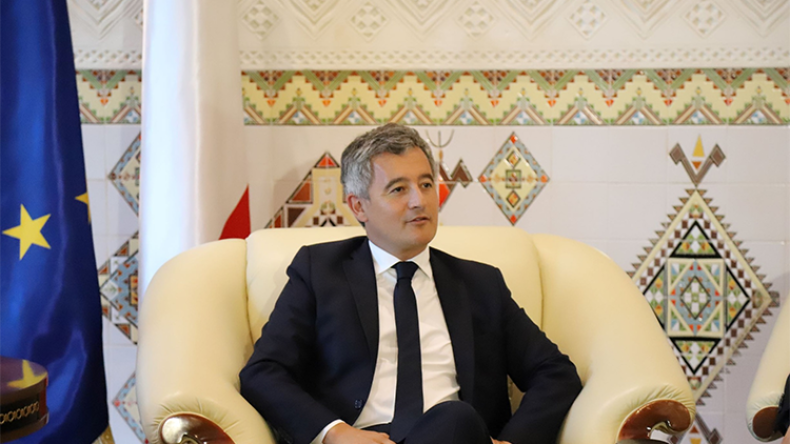
French Minister of Justice Gérald Darmanin attempted to show respect for Algeria, acknowledging its status as the largest country in Africa and its key role in North Africa, the Sahel, and the Sahara. Darmanin's approach appeared to be an attempt to absorb the anger of Algerian authorities following statements made by Minister of Europe and Foreign Affairs Jean-Noël Barrot, which had been perceived as derogatory. In an interview published Sunday, May 24th, in the French newspaper Le Journal du Dimanche, Darmanin noted France's need for and dependence on Algeria in security and energy matters, emphasizing the practical realities of their relationship. This pragmatic stance aimed to show the mutual benefits of a stable partnership, despite existing disagreements.
Gérald Darmanin stated, "I would remind you that we are the largest importer of Algerian gas, and that whatever our opinion, Algeria, the largest country in Africa, partially protects our southern borders." This statement showed Algeria's geopolitical significance and its role in regional stability, particularly concerning migration and counter-terrorism efforts. He acknowledged "deep disagreements with Algeria" on several files but stressed the necessity of respecting the country, indicating a nuanced understanding of the complexities involved. Darmanin emphasized that his recent visit to Algiers was a diplomatic effort, stating, "What I did by going to Algiers, following the directives of the President of the Republic (French), is diplomacy. Diplomacy means talking to everyone while respecting the other party." This statement positioned his engagement as a deliberate and authorized move to de-escalate tensions and foster dialogue.
Darmanin implicitly criticized some French officials, alluding to former Interior Minister Bruno Retailleau, regarding past deportation policies. He mentioned that thousands of deportations were obtained annually from Algeria, especially of dangerous individuals, when he was responsible for this matter, but this practice largely stopped afterwards. This observation noted a perceived decline in cooperation on security matters. Darmanin's efforts might aim to secure facilities from Algeria regarding the deportation of French judicial fugitives believed to be in Algeria, seeking to re-establish a level of operational collaboration that has been hampered by recent diplomatic friction. His cautious approach and emphasis on mutual respect were likely intended to lay groundwork for such practical arrangements.
Algerian Skepticism and Repercussions
The dual French positions on dealing with Algeria increase suspicion among the Algerian side regarding Paris's desire for relations based on mutual respect, creating an atmosphere of distrust. This perceived inconsistency in French diplomacy is seen by Algerian observers as a significant challenge to improving bilateral ties, as it casts doubt on the sincerity of French overtures. The conflicting messages emanating from Paris make it difficult for Algerian authorities to ascertain a clear and consistent French policy direction, leading to a cautious and often skeptical response from Algiers. This lack of clarity is viewed as an impediment to any meaningful progress in diplomatic relations.
Algerian observers believe that the French Foreign Minister's statements from Rabat will have serious repercussions on French efforts to restore relations with Algeria, potentially setting back months of diplomatic work. These statements are viewed as undermining attempts to stabilize the relationship, potentially complicating future diplomatic engagements and trust-building initiatives between the two nations. The divergent messages emanating from Paris are seen as fostering an environment of skepticism in Algiers regarding the sincerity of France's overtures, making it harder to build the necessary confidence for strong bilateral cooperation. The impact of such contradictory signals is likely to be long-lasting, influencing how Algeria perceives and responds to future French diplomatic efforts.