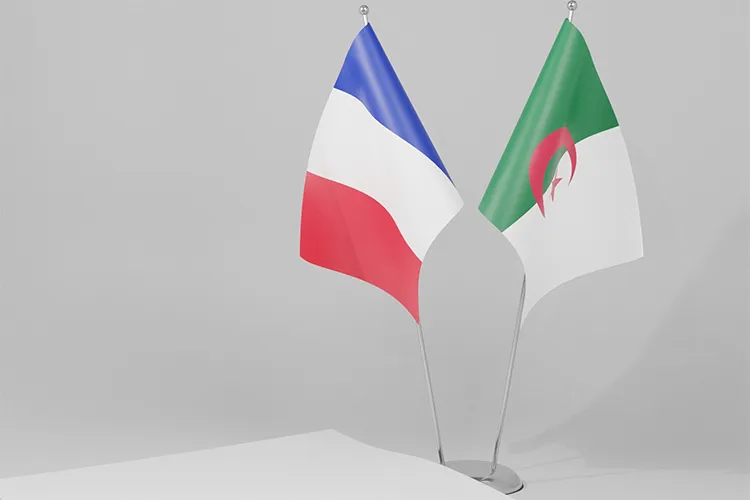
French authorities issued three contradictory statements within two days, noting a pronounced double standard in the French government’s approach to Algeria. These recent statements from French officials have brought into sharp focus the perceived inconsistencies and lack of a unified strategy in Paris's diplomatic stance towards Algiers. The conflicting messages show a significant challenge for the French government in managing one of its most sensitive international relationships, revealing internal divisions and a struggle to articulate a clear and consistent foreign policy. This situation has led to increased scrutiny of France's engagement with Algeria, particularly given the historical and contemporary complexities of their bilateral ties.
Divergent Official Stances Emerge
Within the French government, a clear divergence in approach has become apparent. One faction, notably led by Interior Minister Laurent Nuñez, supports a policy of de-escalation with Algeria. Nuñez's measured approach has coincided with a notable development: Algeria issuing consular permits for the deportation of some Algerian nationals residing illegally in France. This practical cooperation suggests a willingness from the Algerian side to engage constructively under certain conditions.
Conversely, a second faction, represented by government spokesperson Maud Bregeon, has been perceived as advocating for a more confrontational approach in relations with Algiers. This internal tension within the French administration reflects the broader challenges of reconciling different policy objectives and historical perspectives concerning Algeria.
President Emmanuel Macron, addressing the internal divisions directly, criticised “madmen” within France who wish to “break ties with Algeria” in remarks from the previous week. This pointed statement showed the differing views within his administration regarding the fundamental direction of French-Algerian relations, indicating that the debate is not merely about tactics but about the very nature of the relationship. The President's intervention noted the seriousness of the internal discord and his personal stake in guiding the country's policy. French authorities have also notably avoided using the phrase “policy of firmness” in their dealings with Algeria since August 2025, suggesting a deliberate and significant shift in official communication and potentially, in underlying strategy. This avoidance marks a departure from previous rhetoric and signals an attempt to soften the tone of diplomatic engagement.
Context of Bilateral Tensions
An ongoing crisis has persisted between France and Algeria for nearly two years, creating a prolonged period of strained relations. The bilateral tensions escalated significantly following President Emmanuel Macron’s decision to align France’s position regarding the Western Sahara issue. This alignment marked a significant point of divergence in the diplomatic relationship, as Algeria holds a different stance on the matter. The decision was a key moment, contributing to the prolonged period of strained interactions between Paris and Algiers, and its repercussions continue to be felt across various diplomatic and political spheres.
The French government's subsequent actions and statements have been scrutinized for their impact on this sensitive relationship, particularly concerning the differing internal views within the administration on how best to engage with Algeria. The two-year duration of this crisis shows the depth of the challenges in French-Algerian relations, impacting various diplomatic and political exchanges between the two nations. This sustained period of tension has made consistent communication and a unified policy approach all the more critical, yet seemingly elusive for Paris. The complexities of this relationship are deeply rooted, touching upon colonial history, migration, and regional geopolitical interests.
Spokesperson Details Policy Shift
French government spokesperson Maud Bregeon addressed reporters on Wednesday, April 29, to elaborate on the administration's evolving approach to Algeria. Bregeon explained that "the policy of non-contact has not borne fruit" on several issues affecting the Franco-Algerian relationship. This candid admission from a senior government official indicates a recognition within Paris that past strategies have been ineffective in achieving desired outcomes.
She further stated that under a previous policy, the issuance of consular permits by Algeria was suspended for several months, directly impacting France's ability to deport Algerian nationals residing illegally. This suspension occurred while former Interior Minister Bruno Retailleau attempted to impose a hardline policy towards Algerian authorities, suggesting a direct link between the "policy of firmness" and the lack of cooperation from Algiers on critical consular matters. The spokesperson's remarks noted the practical consequences of such an approach.
The shift away from this "policy of firmness" was preceded by a letter from President Emmanuel Macron to François Bayrou’s government. This correspondence shows a high-level re-evaluation and directive from the President himself to adjust the diplomatic strategy. Bregeon's remarks suggest a full re-evaluation of past strategies that aimed to put pressure on Algiers through reduced engagement and a more confrontational stance. The spokesperson indicated a clear move towards greater dialogue and a more pragmatic approach, acknowledging the ineffectiveness of the prior non-contact strategy in resolving key bilateral issues. This new direction aims to foster more productive engagement, recognizing that cooperation is essential for addressing shared challenges and improving the overall relationship. The government hopes this revised approach will lead to more tangible results and a de-escalation of the ongoing tensions.