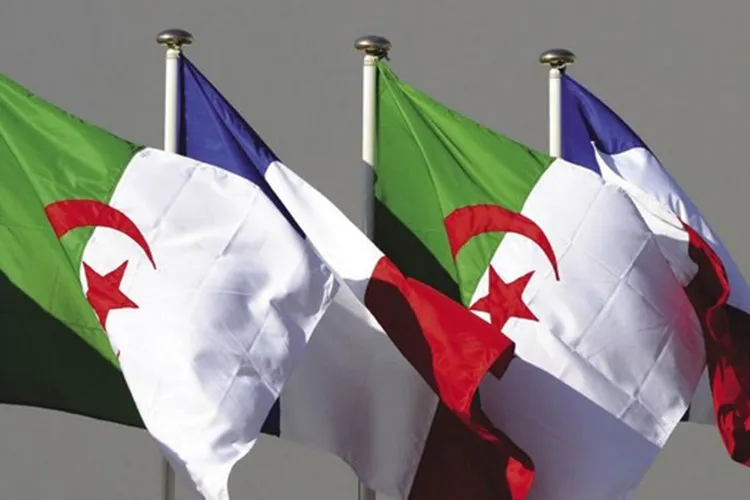
The French far-right is actively attempting to disrupt the current calm in Algerian-French relations, according to recent reports. This effort is reportedly based on exploiting the sensitive memory file shared between the two countries, a strategy that the French far-right is striving to implement to undermine diplomatic progress. The far-right's objective is to create friction and undermine the stability achieved in recent diplomatic engagements, particularly by leveraging historical grievances. This maneuver is seen as a deliberate attempt to derail the noticeable calm that has characterized bilateral interactions.
Parliamentary Challenge on Oran
Member of Parliament Cyril Tréboullani has formally challenged the French government regarding the events in Oran on July 5, 1962. Tréboullani addressed a written question to Alice Rivault, the Minister of the Armed Forces and Veterans Affairs. This formal inquiry was subsequently published in the Official Gazette of the French National Assembly on Tuesday, June 23, bringing the matter into the public and parliamentary record. The MP specifically called for the government to "recognize" these events, thereby seeking an official acknowledgment of the historical incident.
The date, July 5, 1962, is highly significant as it coincides with Algeria’s declaration of independence. The events in question involved French citizens residing in Algeria as victims, adding a layer of complexity to the historical narrative. Tréboullani's initiative alludes to previous efforts informed by the advice of French historian Benjamin Stora. Stora had submitted a full report to the Élysée Palace in 2021 concerning historical memory between France and Algeria, providing a framework for addressing these sensitive issues. This report aimed to foster a more nuanced understanding of the shared past, making Tréboullani's current intervention particularly noteworthy in the context of ongoing reconciliation efforts.
Broader Reconciliation Efforts
French President Emmanuel Macron has undertaken significant initiatives concerning historical memory, aiming to address long-standing grievances and promote reconciliation. These efforts include acknowledging the French state's responsibility for the suppression of Algerian demonstrators on October 17, 1961, a key moment in the history of French-Algerian relations. These initiatives also involve recognizing figures like martyrs Larbi Ben M’hidi, Ali Boumendjel, and Maurice Audin, who are cited in connection with past French actions and whose stories are integral to the memory file. These acknowledgments represent a departure from previous French governmental stances and signal a commitment to confronting difficult aspects of colonial history.
Such initiatives have coincided with reciprocal high-level visits between Algerian and French officials, indicating a period of active diplomatic engagement. For instance, Algerian Minister of Interior, Said Saayoud, visited France, while his French counterpart, Laurent Nuñez, traveled to Algeria in February, showing the ongoing dialogue. These exchanges highlight a concerted effort to foster stronger ties and mutual understanding. These visits align with broader attempts to foster reconciliation between the two nations, building on the foundations laid by President Macron's historical acknowledgments and the work of experts like Benjamin Stora. The sustained interaction at ministerial levels demonstrates a commitment to moving forward despite historical complexities.
Potential Impact on Relations
Raising the question of the Oran events is seen by some as a move designed to potentially embarrass French President Emmanuel Macron, particularly given his administration's focus on reconciliation. This action also risks undermining the work of the joint committee established to address the memory file between France and Algeria, which has been diligently working to bridge historical divides. The initiative could disrupt ongoing diplomatic efforts to foster reconciliation and stabilize relations between the two countries, which have included high-level visits and acknowledgments of historical events. Such parliamentary questions introduce a new element into diplomatic discussions, potentially complicating the progress achieved toward a shared understanding of their intertwined histories and threatening the calm that has been carefully cultivated. The question of raising the Oran events is posed as potentially embarrassing the French President or undermining the joint committee on the memory file, signaling a deliberate challenge to the current diplomatic trajectory.