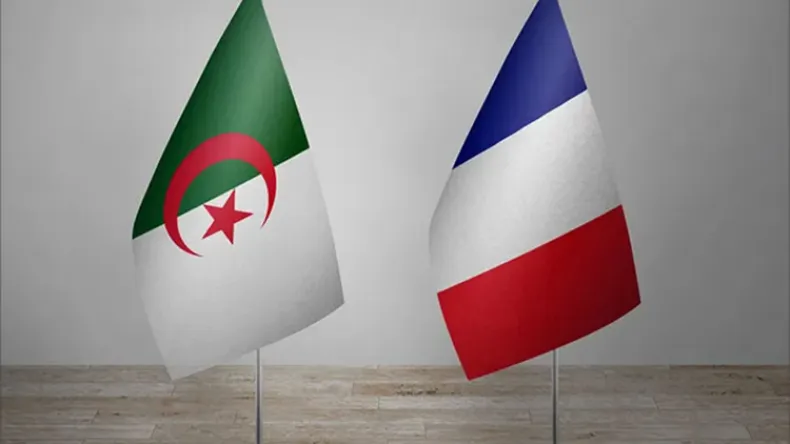
The French Ambassador to Morocco, Philippe Lalliot, visited Laayoune on July 1, 2026, a trip announced by the French Embassy in Rabat on Facebook the same day. This visit to the disputed Western Sahara region has sparked tensions with Algeria. The announcement of Ambassador Lalliot's visit was made via a statement posted on the embassy's official Facebook page, detailing the ambassador's itinerary and purpose in the territory. The visit by the French Ambassador to the occupied city of Laayoune on July 1, 2026, has drawn particular attention given the long-standing diplomatic sensitivities surrounding the Western Sahara. The article covering these developments was published on July 3, 2026.
Ambassador's Visit Details
French Ambassador Philippe Lalliot visited the city of Laayoune on July 1, 2026, as part of his diplomatic engagements. During his visit to the city, Lalliot made a stop at the French school 'Paul Bascou' in Laayoune, noting the educational ties between France and the region. The ambassador's itinerary included engagements related to the French educational presence in the region, offering an opportunity to interact with the French community and institutions. The visit to the occupied city of Laayoune by Ambassador Lalliot was explicitly announced by the French Embassy in Rabat on Facebook on July 1, 2026. The embassy's statement provided details about the ambassador's activities, emphasizing the cultural and educational aspects of his trip. This public announcement and the details of the visit were immediately noted by observers tracking diplomatic movements in the region, setting the stage for subsequent reactions.
Roots of Diplomatic Strain
France's position on the Sahrawi issue is considered the main reason for the collapse of relations with Algeria. This diplomatic strain intensified after French President Emmanuel Macron's decision to support the Moroccan autonomy plan in Western Sahara on July 30, 2024. The decision, made public on July 30, 2024, marked a significant shift in France's stance on the Western Sahara conflict, aligning it more closely with Morocco's proposals. Following Macron's decision, Algerian Ambassador Mohamed Antar Daoud was recalled from Paris for consultations and has not yet returned to his post, signaling a deep freeze in high-level diplomatic representation. Algerian President Abdelmadjid Tebboune described the French stance on Western Sahara as "an unfriendly position," showing the severity of Algeria's disapproval. This characterization by President Tebboune noted the extent of the disagreement and the perception of France's policy as detrimental to Algerian interests and its long-held support for the Sahrawi people's right to self-determination. The recall of Ambassador Daoud and President Tebboune's strong words illustrate the profound impact of France's policy shift on Franco-Algerian relations.
Ongoing Diplomatic Puzzles
French Interior Minister Gérald Darmanin visited Algeria in February, indicating ongoing diplomatic exchanges between the two nations despite the broader tensions. This visit, occurring in February, suggested that channels of communication, particularly at the ministerial level, remain open for specific areas of cooperation. Adding to the complexities, French newspaper 'Le Monde' reported last week on the possibility of releasing the Algerian consular officer who has been detained in Paris since April 12, 2025. The article from 'Le Monde' noted delicate negotiations behind the scenes. This reported release was said to be linked to a potential pardon for French sports journalist Christophe Gleizes, suggesting a quid pro quo arrangement between the two governments. The Algerian consular officer has been detained in Paris since April 12, 2025, making their situation a persistent point of contention in bilateral relations. Gleizes' situation and the consular officer's detention are part of broader diplomatic discussions between France and Algeria, illustrating the intricate web of issues that continue to challenge their relationship. The report from 'Le Monde' last week brought these specific human-interest cases into the public discourse, further emphasizing the multifaceted nature of the diplomatic challenges.
Broader Implications
The French Ambassador's visit to the occupied city of Laayoune compounds existing diplomatic challenges between France and Algeria. Relations between the two nations have remained strained since French President Emmanuel Macron's support for Morocco's autonomy plan for Western Sahara, a decision made on July 30, 2024. Algeria's Ambassador Mohamed Antar Daoud has not returned to Paris since being recalled following President Macron's announcement, leaving a significant diplomatic void. This continued absence of the Algerian Ambassador in Paris shows the unresolved nature of the dispute and the depth of the diplomatic rift. The series of events, from the French Ambassador's visit to the ongoing consular officer and journalist cases, collectively paint a picture of a relationship under considerable pressure, with each action carefully scrutinized for its broader geopolitical implications in the region.