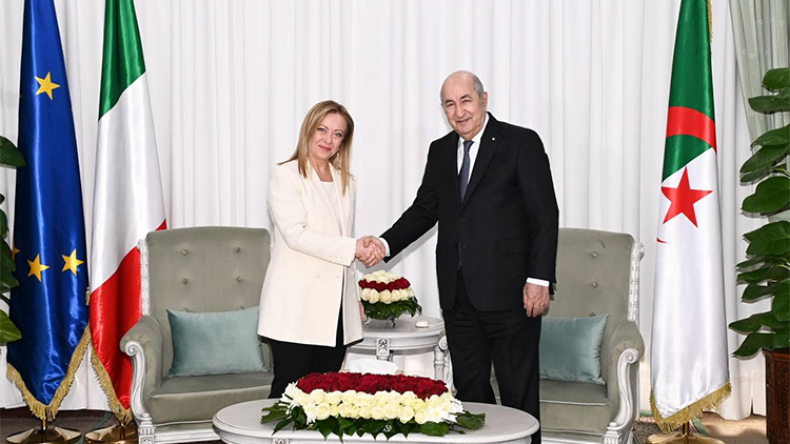
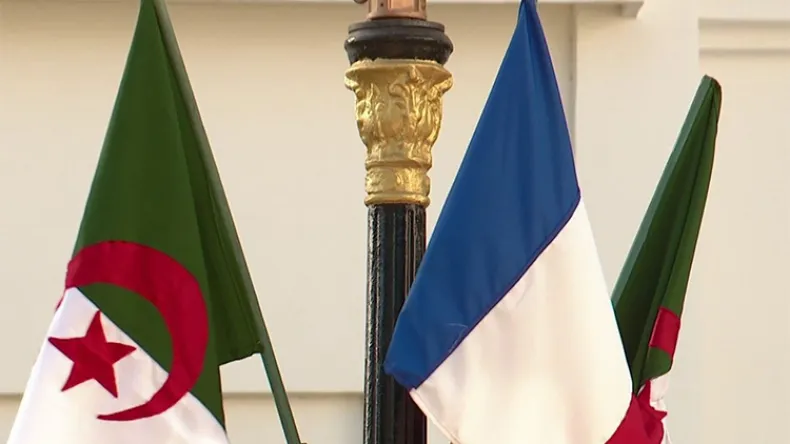
The rapprochement in Franco-Algerian relations has led to significant polarization within France's political class. Indeed, the ongoing efforts to improve ties between Paris and Algiers have caused sharp polarization within the French political class, noting deep divisions on historical and contemporary issues. French President إيمانويل ماكرون articulated Paris's view on the necessity of establishing a "calm relationship (with Algeria) away from internal political maneuvering." This stance indicates a desire to de-politicize the bilateral ties amidst domestic disagreements, signaling a strategic intent to foster stable relations despite internal political pressures and historical sensitivities. The President's remarks show a recognition that domestic political considerations in France often complicate the diplomatic engagement with Algeria, necessitating a deliberate effort to insulate foreign policy from such influences.
Macron's Vision for Relations
French President Emmanuel Macron reaffirmed the importance of the path he initiated regarding relations with Algeria during his visit to Nairobi, Kenya. During his remarks, Macron's statement showed his commitment to the current trajectory of bilateral ties, emphasizing the long-term vision for a renewed partnership. He stressed the strategic importance of nurturing a constructive relationship with Algeria, a nation with profound historical connections to France. This approach, as articulated by the President, aims to move beyond past grievances and forge a future based on mutual respect and cooperation. The ongoing relationship between France and Algeria includes unresolved issues such as Algeria's demand for the release of a consular employee imprisoned without trial. This particular demand notes a point of contention within the broader diplomatic efforts, representing one of several complex issues that require careful negotiation and resolution. The continued imprisonment of this individual without due process remains a significant obstacle in fully normalizing relations, drawing attention to human rights concerns and legal processes. Franco-Algerian relations are expected to be a significant topic during the upcoming French presidential election campaign. The prominence of this file suggests that future political debates in France will likely address the nuances and challenges of the bilateral relationship, making it a key point of discussion for candidates seeking to define their foreign policy platforms and appeal to different segments of the electorate.
Political Support and Opposition
Centrist and left-leaning politicians in France have largely welcomed the ongoing rapprochement with Algeria. This segment of the political spectrum views improved relations as beneficial for both nations, potentially fostering greater cooperation on various regional and international issues. They often advocate for a forward-looking approach that acknowledges historical injustices while building new avenues for collaboration, particularly in areas such as trade, security, and cultural exchange. The engagement has been framed by some as a necessary step towards addressing historical complexities and building a more stable future for Franco-Algerian ties, recognizing the mutual benefits of a strong, respectful relationship. These political groups believe that a constructive dialogue can help overcome past tensions and unlock new opportunities for both countries.
Conversely, right-wing and far-right circles in France have expressed significant dismay and opposition to the rapprochement. These political factions frequently voice concerns over what they perceive as concessions to Algeria, often linking the diplomatic efforts to broader debates on national identity, immigration, and historical memory. Their resistance shows a deep ideological divide within French politics regarding the country's relationship with its former colony, with critics often arguing that the current approach undermines French interests or national pride. They tend to emphasize the importance of French sovereignty and a firm stance against perceived demands from Algeria, reflecting a more nationalistic perspective on foreign policy. This opposition notes the continued sensitivity surrounding the historical legacy between France and Algeria, making the diplomatic initiative a contentious point in domestic political discourse and a recurring theme in political campaigns. The differing views illustrate the profound impact of historical narratives on contemporary political alignments in France.
Historical Context and Demands
The current French diplomatic approach towards Algeria has been significantly influenced by the Pope's recent visit to Algeria. This visit is cited as having played a very important role in shaping Paris's orientation on bilateral relations, providing a new impetus for reconciliation and dialogue. The pontiff's presence and message of peace and understanding resonated deeply, offering a fresh perspective on the complex historical ties between the two nations and potentially encouraging a more conciliatory French stance. Historically, Franco-Algerian relations are marked by significant dates, including May 8, 1945. This date holds particular importance within the historical context shared by the two nations, commemorating events that are deeply etched in the collective memory of both peoples and often referenced in discussions about their relationship. The historical weight of such events continues to shape perceptions and influence diplomatic exchanges, serving as a reminder of the need for careful and sensitive engagement. Further illustrating the complexities, a decision made during the tenure of former Interior Minister Bruno Retailleau regarding a consular employee is also noted. This decision pertains to the same consular employee whose continued imprisonment without trial remains a point of contention and a specific demand from Algeria in its ongoing engagement with France. The resolution of this particular case is viewed by Algeria as a key step towards building trust and demonstrating good faith in the broader diplomatic process, showing the intertwining of individual cases with overarching bilateral relations.