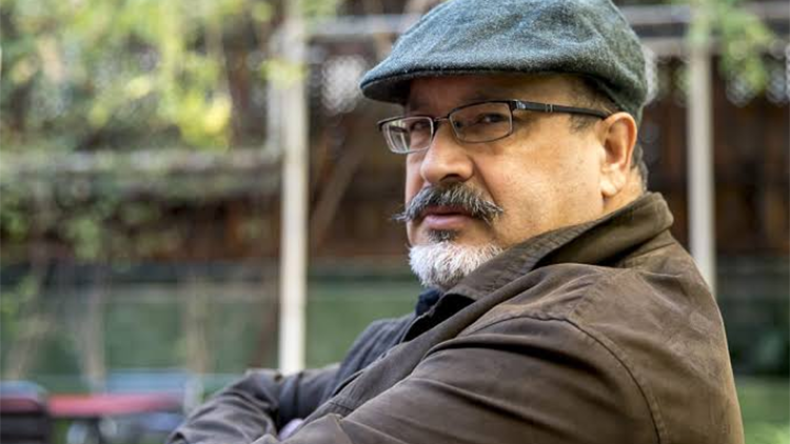
Journalist Ali Lmrabet was arrested in Tangier and subsequently imprisoned within the Moroccan system, an event that has drawn international attention and scrutiny to France's posture on press freedom in the region. This development has sparked a wider debate about the consistency of human rights advocacy by Western nations. French authorities have not yet issued a statement demanding the release of Ali Lmrabet, a notable absence given the broader context of diplomatic relations and France's historical role in advocating for journalists. This silence from Paris comes as the imprisonment continues to unfold, showing questions about France's approach to human rights issues in allied nations, particularly in North Africa. The case of Ali Lmrabet, a prominent figure known for his critical reporting, has become a litmus test for the commitment of European powers to press freedom abroad.
Contrasting French Responses and Diplomatic Nuances
The situation surrounding Ali Lmrabet's imprisonment contrasts sharply with France's responses in similar cases where Algeria was involved, such as those of writer Boualem Sansal and journalist Christophe Glez. This perceived discrepancy has led to accusations of a double standard in French foreign policy. Ignacio Samperio, a Spanish journalist, pointedly questioned whether French President Emmanuel Macron would demonstrate the same level of concern for Lmrabet as he did for Boualem Sansal when the latter was imprisoned in Algeria. Samperio stated that Paris generally exhibits greater leniency towards Rabat than towards Algiers concerning human rights violations, suggesting a geopolitical calculus at play. This pattern of engagement, or lack thereof, has not gone unnoticed by regional leaders. Algerian President Abdelmadjid Tebboune has previously criticized the Western system for presenting Morocco as a haven of freedom and democracy, despite what he describes as the reality on the ground. President Tebboune made these remarks despite his assertion that the Western system is fully aware of Morocco's reality regarding the suppression of freedom of expression and violations of human rights, implying a deliberate choice to overlook certain issues for strategic reasons.
The perceived disparity in how France addresses human rights concerns in Morocco versus Algeria feeds into a narrative of selective engagement. While France has historically positioned itself as a defender of democratic values and press freedom, its actions in the Lmrabet case have drawn criticism for not aligning with these stated principles. This diplomatic tightrope walk notes the complexities of international relations, where geopolitical interests often intersect with, and sometimes overshadow, human rights considerations. The ongoing silence from French official channels regarding Lmrabet's detention continues to fuel this debate, prompting observers to question the true priorities of French foreign policy in the Maghreb.
Spanish Journalist's Criticism and Broader Media Scrutiny
Spanish journalist Ignacio Samperio has been a vocal critic of the European response, particularly noting the French authorities' silence regarding Ali Lmrabet's case. He powerfully articulated his concerns, stating, "Is President Emmanuel Macron going to show the same interest in the fate of journalist Ali Lmrabet, who was imprisoned in Morocco, as he showed in writer Boualem Sansal when he was imprisoned in Algeria?" Samperio further noted the personal dimensions of Lmrabet's situation, noting that Lmrabet is French by nationality but resides in Barcelona, with his wife and children being Spanish. This detail adds another layer of complexity, drawing Spain into the diplomatic implications of the journalist's detention. Samperio emphasized the shared French citizenship, stating, "Both are French citizens. Sansal is of Algerian origin, while Lmrabet is of Moroccan origin. At the Élysée Palace in Paris, greater leniency is generally observed towards Rabat compared to Algeria regarding human rights violations." This direct comparison shows the perceived double standards in France's diplomatic approach.
Samperio's criticism extended beyond Lmrabet's case, as he also noted that Paris has ignored the plight of the French-Moroccan historian Maati Monjib, who is reportedly being harassed by Moroccan authorities. This further illustrates a pattern of selective engagement with human rights issues in Morocco. The Spanish journalist did not spare his own country's government from scrutiny, adding that Madrid has not shown interest in another political prisoner, Mohamed Ziane, who is 83 years old, was born in Malaga, and has a Spanish mother. The lack of proactive intervention from both France and Spain regarding these cases raises significant questions about their commitment to protecting their citizens and individuals with strong ties to their nations abroad.
When asked about Lmrabet's imprisonment, Spanish Foreign Minister José Manuel Albares offered a brief and somewhat dismissive response, stating, "I do not know the details of the case, I will look into it." Samperio sharply criticized this response, suggesting it could mean Albares does not follow the news, or that the Spanish Embassy in Rabat failed to inform him adequately, or, most likely, that he continues to ignore human rights in Morocco. This exchange notes a broader concern among human rights advocates regarding the perceived lack of political will to address such issues directly.
Samperio also directed his criticism towards Spanish media, particularly El País, for its editorial on Lmrabet's case, accusing it of helping to whitewash the Moroccan regime's image. He questioned the editorial's premise, stating, "Does the editorial writer know that there are currently no media outlets in Morocco that criticize the authorities?" This rhetorical question shows the severity of the press freedom situation in Morocco and the responsibility of international media to accurately portray it.
Media Silence and Moroccan Context
The article asserts that Morocco currently lacks media outlets that openly criticize the authorities, a claim that points to a broader environment concerning press freedom within the country. This absence of critical voices in the domestic media landscape makes international reporting and advocacy even more key. The suppression of dissent and independent journalism within Morocco creates a vacuum, making the role of organizations like Reporters Without Borders and international news agencies vital for informing the global public.
In this context, the behavior of French media outlets has also come under fire. French media has largely repeated a dispatch from Agence France-Presse (AFP) regarding the situation, which some critics argue presents a sanitized version of events. These French media organizations have reportedly refrained from transmitting statements issued by Reporters Without Borders, which were critical of the Moroccan regime. The lack of independent reporting and the heavy reliance on official news wires, coupled with the omission of critical perspectives from reputable NGOs like Reporters Without Borders, highlight significant concerns about the scope and depth of media coverage surrounding Moroccan affairs in France. This selective reporting contributes to a broader narrative that may downplay the severity of human rights issues and press freedom challenges in Morocco, further exacerbating the concerns raised by journalists like Ignacio Samperio. The implications of such media practices extend beyond mere reporting, potentially influencing public perception and political discourse on a critical geopolitical relationship.