Algeria, Qatar, Nigeria, and the United States collectively signed a joint open letter on Tuesday, June 23, 2026, urging the European Union to review its methane emissions regulations. The four nations warned that stringent requirements, if not adjusted, could prompt supply disruptions and unjustified energy price increases for European consumers. Their intervention notes concerns among major energy producers regarding the European Union's proposed environmental standards, which they argue could inadvertently jeopardize energy security. The letter shows a shared apprehension among these significant global energy suppliers about the practical implications of the EU's environmental policies on the global energy market and its consumers.
Specific Demands for EUMR Review
The joint letter specifically calls for a full review of the European Union's methane regulation (EUMR). The four signatory nations requested the adoption of a "suspension of the deadline" mechanism within the regulation. This proposed mechanism would allow for key flexibility in compliance timelines under specific, unforeseen circumstances, aiming to prevent abrupt disruptions to energy flows. Beyond seeking a suspension mechanism for compliance deadlines, the letter also advocated for the protection of new contracts signed during legislative amendments, ensuring stability in long-term energy agreements. It further called for the lifting of penalties for non-compliance during a specified transition period, aiming to ease the adjustment for energy suppliers as they adapt to the new regulatory framework.
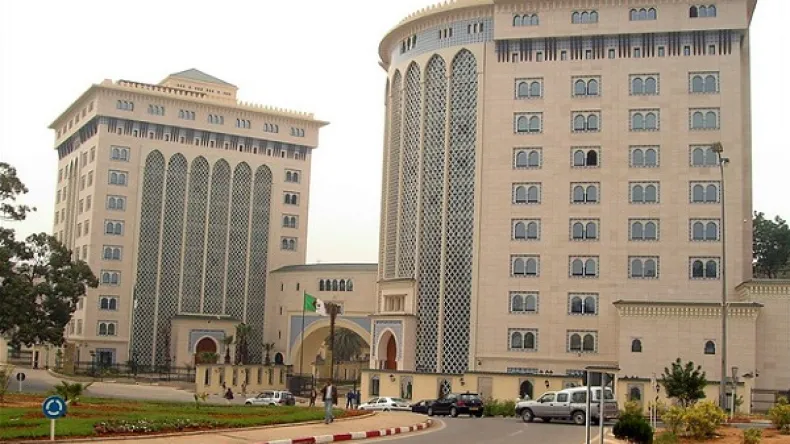
Algeria, through its national energy company Sonatrak, asserted that it and its oil and gas producing partners have made tangible efforts and significant investments in reducing methane emissions. This assertion underlines the producers' commitment to environmental goals while seeking practical adjustments to the EU's regulatory framework. The collective appeal from these major energy suppliers indicates a desire for a balanced approach that considers both environmental protection and the realities of global energy supply chains. Their joint action suggests a unified concern over the potential economic impact of the current EUMR provisions on both producers and European consumers, emphasizing the need for a pragmatic implementation strategy.
Signatories and Their Concerns
The joint letter asserts that a substantial volume of oil and gas exports currently destined for the European market faces "objective difficulties" in adhering to the measurement, reporting, and verification (MRV) requirements stipulated for January 2027. This challenge, if unaddressed, could lead to a significant reduction in available energy supplies to Europe. Algeria's Ministry of Energy and Mines issued a statement acknowledging the letter and its contents, reinforcing the nation's position on the matter. Among the signatories was His Excellency Mr. Saad Sherida Al-Kaabi, the Minister of State for Energy Affairs of Qatar, whose involvement shows Qatar's alignment with the concerns raised by the other nations regarding the feasibility and impact of the EUMR. The letter also received the signature of the Minister of Energy of the United States, Mr. Chris Wright, indicating the widespread nature of these concerns among major global energy producers who supply a significant portion of Europe's energy needs.
Algeria's Position and Efforts
The joint letter was specifically addressed to key European leaders, including European Commission President Ursula von der Leyen, European Council President Mr. Antonio Costa, and all leaders of European Union member states. The direct address to these high-level officials notes the urgency and strategic importance the signatory nations place on this matter. Nigeria's Minister of State for Petroleum Resources (Gas), Mr. Ekperikpe Ekpo, also signed the letter, aligning his nation with the concerns raised by the other signatories regarding the EU's methane regulations and their potential impact on global energy supply. The unified front presented by these four diverse nations — a North African energy giant, a prominent Middle Eastern gas producer, a major African oil and gas exporter, and the world's largest economy — shows the broad international apprehension about the current trajectory of the EU's methane regulations. They collectively argue that without adjustments, the regulations could undermine the very energy security the EU seeks to maintain.