FIFA announced on Saturday the adoption of a new amendment to the 2026 World Cup regulations. The tournament, which will be hosted by the United States, Mexico, and Canada, is scheduled to take place from June 11 to July 19. The international governing body for football confirmed the update to the rules governing the upcoming global competition. The 2026 World Cup will mark the first time the event is co-hosted by three nations, promising an expansive and unique tournament experience across North America. This significant organizational undertaking will see matches played in various cities across the three host countries, reflecting a new era for the prestigious international competition.
Qualifier Sanctions Update
The amendment to the 2026 World Cup regulations stipulates that certain sanctions and suspensions incurred during the preliminary qualifiers will not carry over to the final tournament. This change means that players or teams facing specific disciplinary actions in qualification matches will not automatically see those penalties applied to their participation in the World Cup itself. According to reports, FIFA made this decision following consultations with continental federations. These discussions took place during a meeting held in Vancouver, Canada, where the modification to the rules was finalized. The update aims to clarify the disciplinary framework for the expanded tournament, ensuring that the qualifying stages do not unduly impact the main event. This measure is intended to provide a cleaner slate for teams and players as they enter the highly anticipated global spectacle, allowing them to compete without the burden of prior disciplinary records from the qualification phase.
Yellow Card Rule Change
The FIFA Council previously approved an additional amendment during its meeting in Vancouver on April 28, concerning individual yellow cards during the tournament finals. This modification dictates that individual yellow cards accumulated by players will be abolished after the group stage concludes. Another reset of individual yellow card counts will occur following the quarter-final round. This means that a player who receives a yellow card in the group stage will have their card count reset to zero before the knockout rounds begin. Similarly, any yellow cards accumulated during the round of 16 and quarter-finals will be cleared before the semi-finals, preventing players from missing the final due to two yellow cards across multiple knockout matches. This system aims to ensure that players are less likely to be suspended for critical late-stage matches due to an accumulation of minor infringements, thereby preserving the integrity and excitement of the tournament's most key encounters. The decision to implement these yellow card resets reflects a desire to see the best players participate in the decisive phases of the competition.
New Player Conduct Rule
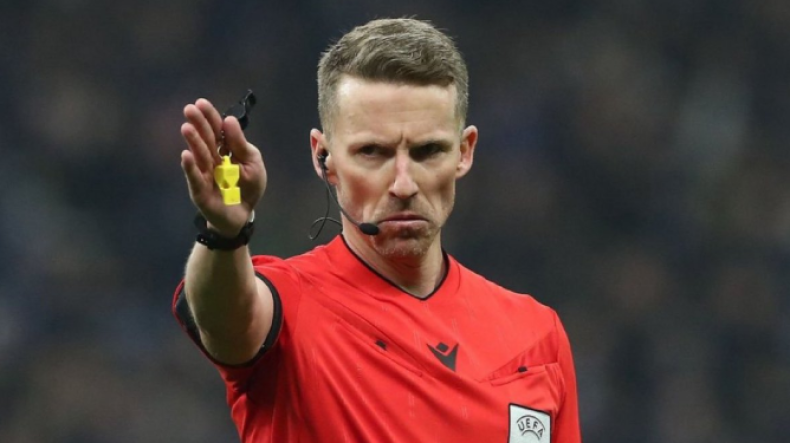
FIFA intends to implement a new rule for the 2026 World Cup, addressing player conduct during disputes. Under the new regulation, players who cover their mouths while arguing with an opponent will receive a red card. The international governing body for football aims to ensure transparency in communication on the field. This measure seeks to prevent players from concealing their words during contentious exchanges, thereby promoting clearer disciplinary action for verbal infringements. The rule will apply to all matches throughout the tournament, which will be hosted by the United States, Mexico, and Canada. This initiative shows FIFA's commitment to fair play and clear communication among athletes, reducing ambiguity in disciplinary situations. By discouraging hidden verbal interactions, the rule aims to foster a more open and accountable environment on the pitch.
Tournament Context
Argentina currently holds the title of world champion, having secured victory against France in the 2022 World Cup final. The match concluded with a 3-3 draw before Argentina won 4-2 on penalties in a thrilling contest. Brazil remains the most decorated team in the history of the World Cup, holding a record five titles. The upcoming 2026 tournament is expected to draw immense global attention, building on the legacy of past competitions and introducing new elements with its expanded format and multi-nation hosting. The anticipation for the next edition of the World Cup is already high, with fans eager to see which nation will lift the coveted trophy.