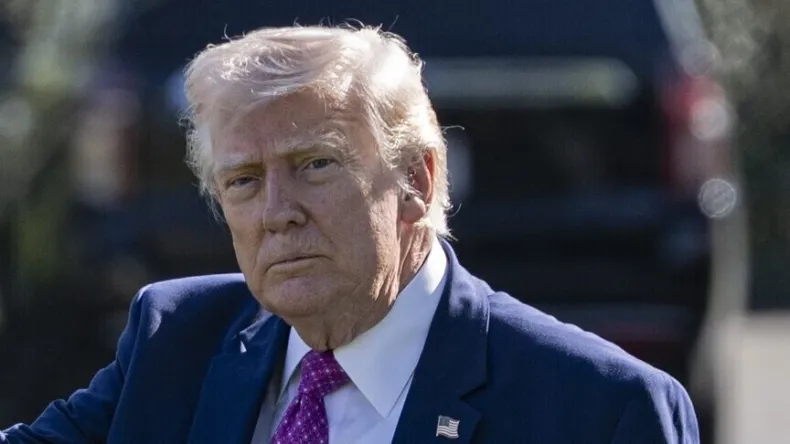
A U.S. Trade court has ruled that President Donald Trump's 10% temporary global duties are illegal, deeming his attempt to impose them unjustified under a 1970s trade law. The judges found that the proclamation signed by Trump to impose these duties "circumvents the law" and declared it "invalid, and that the tariffs imposed on the plaintiffs are not authorized by law." This decision represents the latest legal setback for his import duty campaign. Trump responded to the ruling, stating, "So, nothing surprises me with the courts. Nothing surprises me. We get one ruling and we do it a different way." The court declined to issue a universal injunction, noting that "Private plaintiffs make no specific arguments for a universal injunction. Costs to one plaintiff is not an appropriate basis for the imposition of a universal injunction."
Legal Basis for Ruling
The court ruled that President Donald Trump's imposition of the tariffs under Section 122 of the Trade Act of 1974 was misguided, reports indicated. Section 122 permits duties of up to 15% for a maximum of 150 days, specifically to address serious "balance of payments deficits" or to avert an imminent depreciation of the dollar. The Trump administration had cited a $1.2 trillion annual U.S. Goods trade deficit and a current account deficit amounting to 4% of GDP as justifications. Washington submitted evidence indicating it had paid tariffs, according to reports through the University of Washington. The temporary tariffs are expected to remain in place until July 24.
Context and Future Steps
Three months prior to this ruling, the U.S. Supreme Court struck down sweeping global tariffs imposed by President Donald Trump under a national emergencies law. The Trump administration now intends to resurrect broad tariffs by invoking Section 301 of the Trade Act of 1974. Currently, three Section 301 tariff investigations are underway, with their completion due in July. The New York-based Court of International Trade declined to issue a universal injunction, rejecting a request from a group of 24 states that had sought such a broad measure. However, the tribunal granted an injunction specifically to the state of Washington and the group of small businesses that brought the case, limiting the scope of the immediate relief.
Reactions and Implications
The U.S. Court of International Trade's 2-1 decision blocked the levies only for two private importers and the State of Washington, with the ruling stating, "Private plaintiffs make no specific arguments for a universal injunction. Costs to one plaintiff is not an appropriate basis for the imposition of a universal injunction. Accordingly, the court declines to enter a universal injunction." Toy company Basic Fun! And spice importer Burlap & Barrel were among the plaintiffs who successfully challenged the tariffs. President Donald Trump had attempted to impose these 10% duties after the Supreme Court annulled his initial effort earlier this year. The Trump administration is expected to appeal this decision. The White House did not immediately respond to a request for comment regarding the ruling. This decision comes a week before Mr. Trump is due to discuss trade tensions with Chinese President Xi Jinping in Beijing.