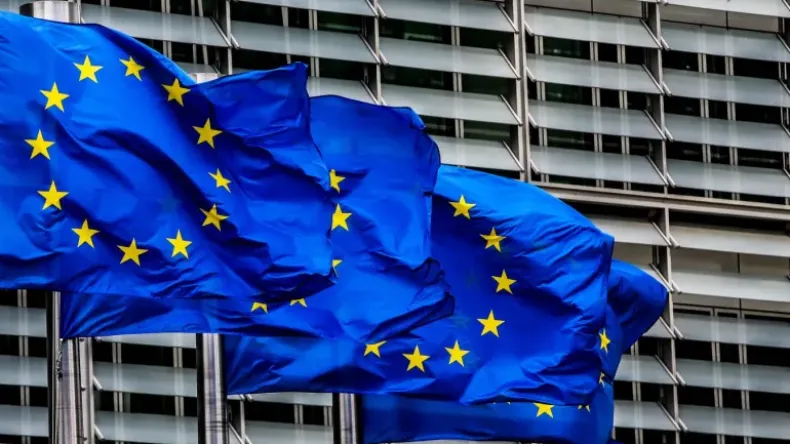
European Commission President Ursula von der Leyen announced on 29 October that the European Union and Canada are studying the potential for Canada to receive "associated member" status. Officials from both sides intend to evaluate how this classification might function within existing frameworks.
The European Union and Canada have also agreed to adopt a "partnership of increasing closeness" while continuing consultations. Representatives from both partners confirmed that these discussions are ongoing to define the parameters of this deeper cooperation. By pursuing this alignment, the European Union and Canada seek to formalize a trajectory for their bilateral relations. These developments follow recent assessments regarding the strategic orientation of the European Union in its international engagements.
Strategic Sectors for Cooperation
The proposed partnership aims to enhance cooperation across several specific fields. Officials from the European Union and Canada identified artificial intelligence as a primary area for joint development. The agreement also includes provisions to address climate change through shared policy initiatives. Energy security represents a third priority for the two partners as they work to integrate their supply chains and regulatory standards. Security cooperation serves as the final pillar of this framework, intended to align defense interests between the European Union and Canada. These sectors form the basis of the ongoing discussions between representatives. Both parties intend to use these defined areas to structure the technical aspects of their future collaboration.
Shifting Economic and Security Ties
Canadian Prime Minister Mark Carney is seeking to reduce Canada's economic and security reliance on the United States. This objective coincides with a broader shift in trade policy following the imposition of tariffs on Canadian goods by US President Donald Trump. These economic measures have prompted officials in Canada to search for alternative partners and closer integration with international allies.
Discussions regarding the potential for Canada to receive "associated member" status within the European Union remain in preliminary stages. No consensus exists within the European Union regarding the implementation of this specific classification. The joint declaration released by the two partners did not explicitly mention the "associated member" status. Representatives continue to evaluate how future frameworks might function, but formal agreement on this particular mechanism has not been reached.