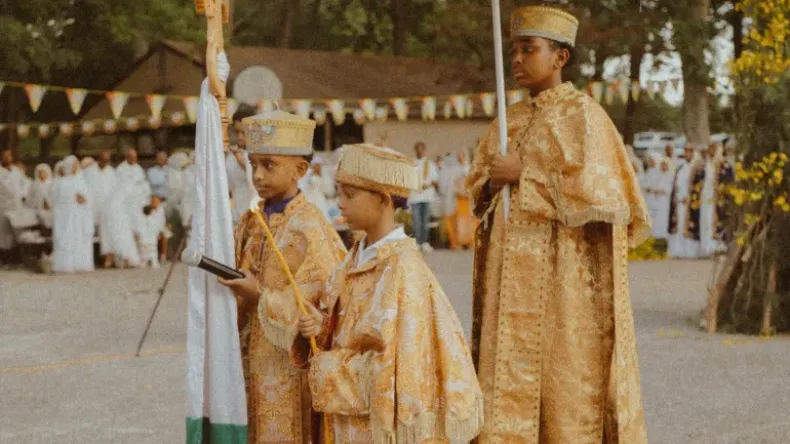
Ethiopia has begun its new year, marking 2019 on its calendar, while the rest of the world observes 2026. The country's unique chronological system means it is currently seven years behind the Gregorian calendar, which is widely adopted internationally. This divergence in timekeeping results in Ethiopia celebrating the year 2019 at a point when the global standard indicates 2026, creating a notable temporal difference. While the world's clocks and calendars indicate the year 2026, Ethiopia has opened a new page numbered 2019, in a scene that seems as if time has stopped for years. This makes the country celebrate the year 2019 at a time when the Gregorian calendar indicates the year 2026, noting a significant and unique cultural aspect.
Calendar Differences Explained
The Ethiopian calendar typically runs seven to eight years behind the Gregorian calendar, which is utilized by much of the global community. This temporal distinction means that when the world observes 2026, Ethiopia is marking its 2019. The new year in Ethiopia, known as Enkutatash, begins in September. This calendrical system is rooted in ancient traditions and calculations, maintaining a consistent difference from the internationally adopted Gregorian standard. The Ethiopian year is about seven to eight years behind the Gregorian year. The new year in Ethiopia begins in September, marking a distinct start to its annual cycle. The variation results in a unique rhythm of timekeeping within the country, distinct from the global synchronization of dates and years. This specific chronological count is a fundamental part of Ethiopia's cultural and historical identity.
Cultural Significance of Enkutatash
On September 11th, Ethiopia welcomed its new year 2019, an occasion known as “Enkutatash.” This celebration marks the beginning of the year according to the Ethiopian calendar, a system that maintains a unique chronological count compared to much of the world. Enkutatash, meaning "gift of jewels," traditionally commemorates the return of the Queen of Sheba to Ethiopia after visiting King Solomon in Jerusalem, an event believed to have brought prosperity and blessings. The new year coincides with the end of the rainy season and the blooming of yellow daisies, symbolizing new beginnings and hope. Families gather for festive meals, exchange gifts, and participate in religious ceremonies. Children often receive new clothes and sing traditional songs from door to door. The celebration is deeply intertwined with Ethiopia's cultural and religious identity, reflecting centuries of tradition and a distinct sense of time that sets it apart globally.
Beyond the Calendar Year
Beyond the calendar year, Ethiopia also adopts a distinct system for calculating the hours of the day. Ethiopia also adopts a different time system in calculating the hours of the day, further distinguishing its approach to timekeeping. While most countries begin their day at midnight or 00:00, Ethiopia's day traditionally starts at dawn. This means that 6:00 AM by international standards is considered 12:00 (noon) in Ethiopia, and 6:00 PM internationally is also 12:00 (midnight) within the Ethiopian system. This clock system divides the 24-hour day into two 12-hour cycles that begin at sunrise and sunset. This unique timekeeping method, like its calendar, further distinguishes Ethiopia's approach to measuring time from global conventions, influencing daily life and communication within the country.
A Unique Historical Perspective
The Ethiopian calendar system represents a fundamental aspect of the country's cultural and historical specificity. The Ethiopian calendar is part of the country's cultural and historical specificity, deeply embedded in its national identity. This unique chronological count, diverging from the globally adopted Gregorian calendar, shows Ethiopia's distinct identity. The calendar is deeply embedded in the nation's traditions, religious observances, and daily life, contributing to a sense of continuity with its ancient past. Its existence reflects a long-standing self-reliance in timekeeping that separates Ethiopia from the calendrical norms of many other nations, offering a unique perspective on the passage of time. This distinct system serves as a powerful symbol of the country's rich heritage and its commitment to preserving its unique cultural practices.