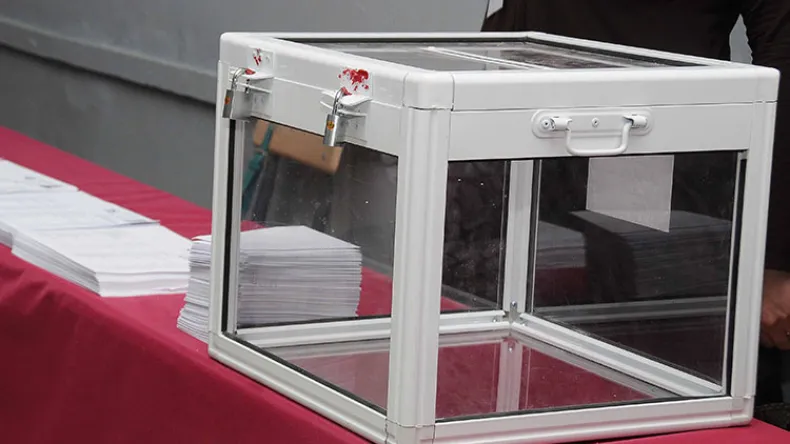
The official election campaign for the legislative elections formally commenced on June 9, 2026, ahead of the July 2nd polls. However, its initial day was profoundly characterized by ambiguity and a palpable sense of anticipation. Uncertainty surrounded the finalization of electoral lists, with critical decisions on their acceptance and rejection continuing to be made right up until late Monday night, just hours before the campaign's official launch. This protracted process meant that the precise composition of the electoral landscape remained fluid, creating a dynamic environment for political parties and candidates. Indeed, the fate of some electoral lists remained unclear right up to the final hours before the campaign officially began. This ongoing process created an atmosphere of heightened anticipation as parties and candidates started their public outreach efforts while awaiting definitive clarity on the full slate of participants who would be vying for seats in the legislative body. The delayed finalization showed the careful, albeit time-consuming, nature of the electoral commission's review process.
Campaign Day One Activities
Field activities on the first day of the campaign, June 9, 2026, were noticeably limited across Algeria, reflecting the prevailing uncertainty. Political party leaders primarily focused on promoting their candidates and electoral programs through various channels, including media appearances, press conferences, and digital outreach. This cautious approach was largely attributed to the ongoing uncertainty surrounding the finalization of electoral lists, which continued to see decisions on acceptance and rejection made until late Monday night, just hours before the official campaign launch. The delayed clarity on the full slate of participating lists meant that many parties adopted a cautious initial strategy, prioritizing internal communications and media outreach over large-scale public gatherings or extensive ground operations. This restricted the scope of visible campaigning efforts by individual candidates in their respective constituencies, as many awaited confirmation of their eligibility and the full list of their competitors. The quiet start showed the prudence adopted by political entities navigating a still-evolving electoral landscape, opting for strategic restraint over premature, high-profile events.
Governing Electoral Law
Articles 73 to 114 of the Organic Law relating to the electoral system serve as the primary reference governing the election campaign, establishing a full framework for conduct and participation. The law explicitly prohibits the exploitation of national identity components or the use of discourse based on discrimination, regionalism, or hatred, aiming to foster an inclusive and respectful political dialogue. It strictly bans the use of foreign languages in electoral propaganda activities, emphasizing the importance of national linguistic integrity in public communication during the campaign. Additionally, the legislation restricts the use of public facilities, administrations, educational institutions, and universities for electoral propaganda purposes, ensuring these institutions remain neutral and dedicated to their primary functions. The law also prohibits the use of places of worship for political competition, aiming to maintain their sanctity and neutrality, preventing their instrumentalization for partisan gain.
A key provision requires strict respect for the principle of administrative neutrality, specifically prohibiting the use of state resources for the benefit of any candidate or electoral list. This measure is designed to guarantee a level playing field and prevent any unfair advantage derived from public office or resources. The use of any commercial advertising medium for electoral propaganda is also disallowed under the law, limiting campaign visibility to approved channels and methods. The publication or broadcast of opinion polls, intention surveys, and popularity measurements is prohibited within 72 hours before the election. This blackout period is intended to prevent last-minute influences on voter decisions based on potentially biased or misleading survey data. Candidates are required to refrain from any illegal, unlawful, offensive, or unethical behavior to preserve the integrity of electoral competition and uphold the dignity of the democratic process. The period of electoral silence, during which all propaganda activities must cease, begins three days before the election day itself, providing a final window for reflection before citizens cast their votes. This cessation of campaigning ensures voters can make informed decisions without immediate external pressures.
Campaign Finance Regulations
Campaign financing is subject to strict control, with sources explicitly limited to party contributions, personal contributions from candidates, and donations from citizens. This structured approach aims to ensure financial transparency and prevent undue influence. The electoral law explicitly prohibits direct or indirect financing or contributions from foreign entities or legal persons. This measure is a cornerstone of the legal framework, designed to safeguard the integrity of the electoral process from any external influence or interference that could compromise national sovereignty or the fairness of the elections. All electoral lists are required to open dedicated bank accounts specifically for their campaign activities. These accounts are intended to ensure complete transparency and strong accountability in all financial transactions related to the campaign, allowing for clear oversight of income and expenditure. All lists must also adhere to a legally defined spending ceiling, a key provision designed to prevent excessive expenditure and promote a more equitable campaigning environment among all contenders, regardless of their financial backing. This ceiling helps to level the playing field, ensuring that campaigns are won on the merits of ideas and programs rather than on financial might. The stringent regulations collectively aim to foster a fair, transparent, and nationally controlled electoral process.