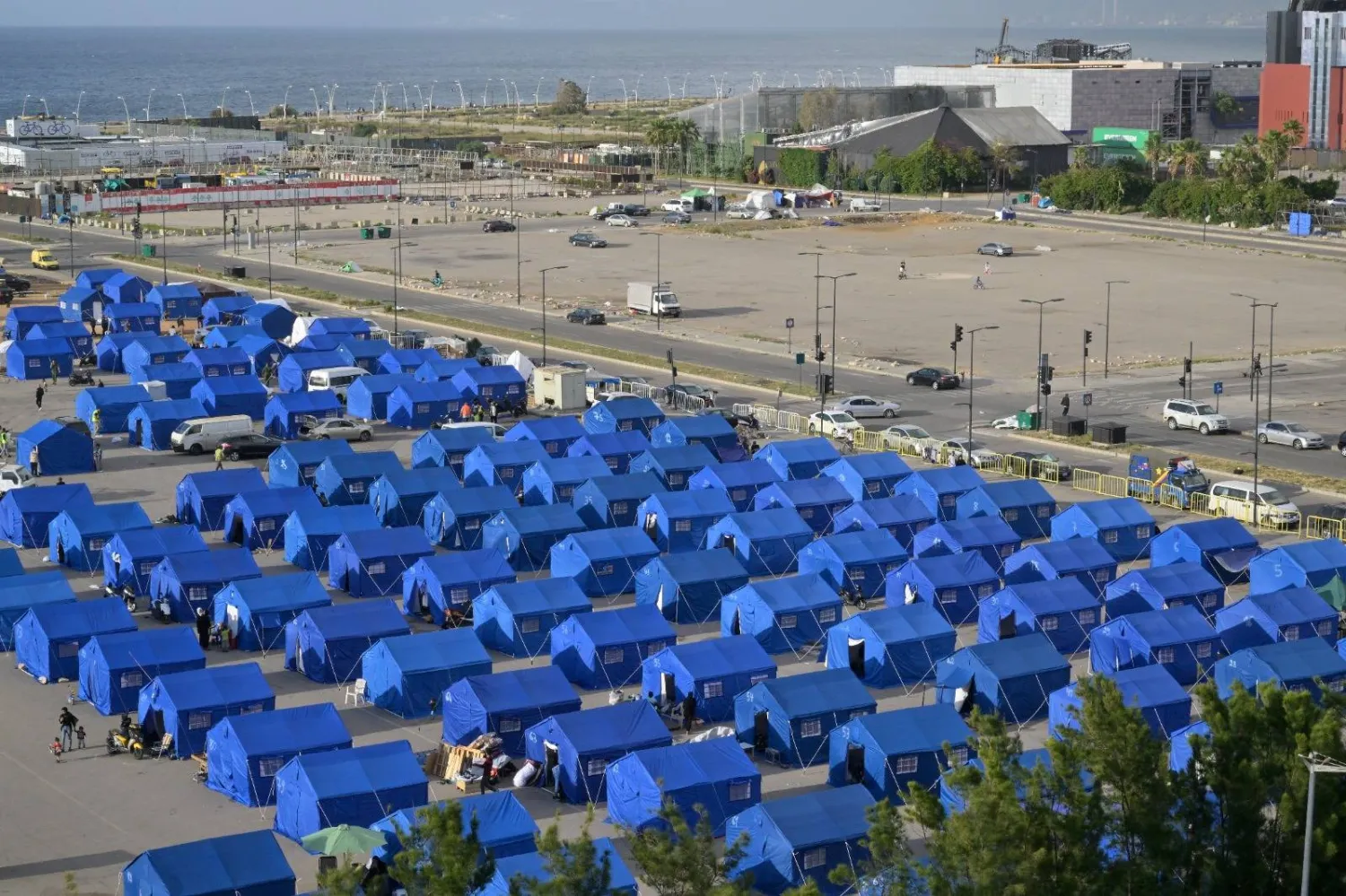
Approximately 500 displaced people are currently camped on Beirut's Corniche maritime, resisting relocation efforts due to safety concerns. These individuals, who have established makeshift shelters along the popular waterfront promenade, have voiced fears regarding proposed alternative accommodations. The situation notes ongoing challenges for authorities seeking to manage informal settlements while addressing the humanitarian needs and security anxieties of the displaced population. Their continued presence on the Corniche shows a broader reluctance to accept alternative sites, as residents express apprehension about the conditions and safety of proposed relocation areas. The informal encampment has become a visible symbol of the complex socio-political landscape in Beirut, drawing attention to the precarious living conditions faced by many displaced communities.
Camp Conditions and Relocation Efforts
Tents previously erected on private land along the Corniche maritime were moved back a few meters to an adjacent municipal plot. This adjustment was made as part of ongoing efforts by authorities to manage the informal settlement and regulate its presence on the public promenade. Concurrently, solid constructions within the camp, built from materials such as wood, sheet metal, and concrete, were immediately destroyed. These actions have been part of the broader relocation efforts aimed at addressing the presence of displaced individuals on the popular Beirut promenade, a key recreational area for city residents. The process has been met with continued resistance from residents who express concerns regarding the safety and suitability of proposed alternative sites, fearing that new locations may lack essential services or expose them to further vulnerabilities.
Residents' Fears and Suspicions
The transfer of displaced individuals to municipal land has been characterized as an organizational "lesser evil," a measure taken to maintain public order until regional hostilities conclude. This strategy implicitly acknowledges the temporary nature of the current arrangement while also seeking to mitigate immediate public concerns. This relocation strategy has differentiated between various groups residing on the Corniche, adding another layer of complexity to the situation. Displaced Lebanese individuals from the initial site were grouped onto the municipal plot, maintaining a degree of proximity to their original location. Concurrently, Syrian refugees who had been present at the original location were either redirected to other areas or sent back toward the Lebanese border, indicating a distinct policy approach based on nationality. The distinct handling of these populations has contributed to the concerns and suspicions among the remaining residents regarding their long-term security and the suitability of the relocation efforts, fostering an environment of uncertainty and distrust.
Political Undercurrents
Opposition deputy Wadah El-Sadek has claimed that the current situation at the Corniche maritime camp is being maintained due to direct orders from Hezbollah. El-Sadek's assertion suggests a political dimension to the authorities' handling of the displaced population and their resistance to relocation, implying that decisions are influenced by powerful political actors. The camp's continued presence, despite official efforts to move residents to more permanent solutions, is attributed by the opposition figure to specific directives from the powerful political and paramilitary organization. This claim introduces an element of political influence into the ongoing discussions and actions surrounding the informal settlement on Beirut's waterfront, raising questions about the motivations behind the current impasse and the long-term prospects for the displaced individuals.
Resident's Perspective and Accommodation Challenges
The new municipal site, where displaced individuals have been moved, represents only 15% of the previously occupied surface, significantly reducing the available space for the approximately 500 people. This limited space contrasts sharply with the capacity of proposed alternative shelters, such as the Cité sportive (Sports City), which can accommodate only about 200 people. This disparity notes a critical challenge in finding suitable and sufficient alternative housing for the entire displaced population. The residents' apprehension about relocation is further fueled by the practical limitations of the proposed sites and the perceived inadequacy of the solutions offered by the authorities. The lack of viable alternatives exacerbates the difficulties faced by these vulnerable individuals, prolonging their stay in makeshift conditions on the Corniche.