A high-ranking Moroccan government official was observed traveling in a vehicle registered to an individual linked to international drug trafficking cases in Spain. This incident occurred during an election event held in Nador. Records from Spanish courts indicate the owner of the vehicle previously submitted medical certificates to avoid appearing in legal proceedings related to drug trafficking networks. The official's presence in the vehicle during the campaign stop has raised questions regarding potential associations between political figures and individuals involved in cross-border illicit operations. Judicial documentation in Spain confirms the vehicle owner remains a subject of investigation for his alleged role in these networks, having successfully used medical documentation to delay or evade mandatory court appearances in the past.
The high-ranking official in the Moroccan government was observed traveling in a vehicle belonging to an individual involved in international drug trafficking cases in Spain during an election event in Nador. This specific encounter has drawn scrutiny from those monitoring the intersection of electoral activities and illicit trade. The owner of the vehicle in question previously submitted medical certificates to Spanish courts to avoid appearing in legal proceedings related to drug trafficking networks, a tactic that has allowed the individual to remain active while under judicial scrutiny.
Historical Precedents of Infiltration
The "Escobar of the Sahara" case previously exposed the infiltration of international drug trafficking networks into Moroccan political circles, leading to the downfall of figures such as Abdenbi Bioui and Said Naciri. Judicial proceedings linked these individuals to systemic efforts to integrate illicit proceeds into the internal functions of political organizations.
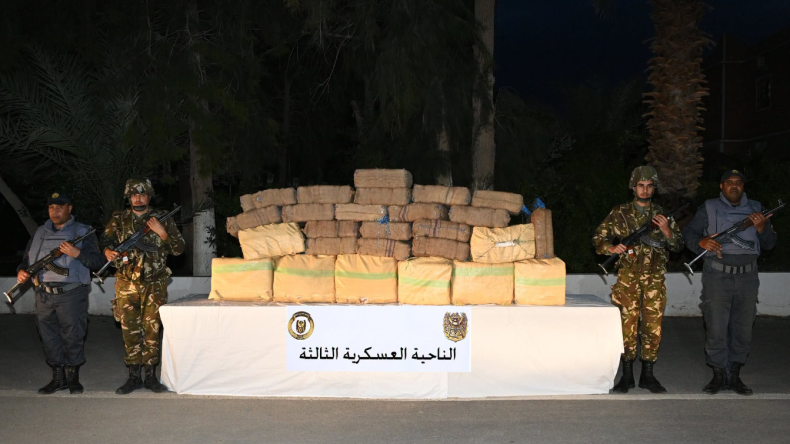
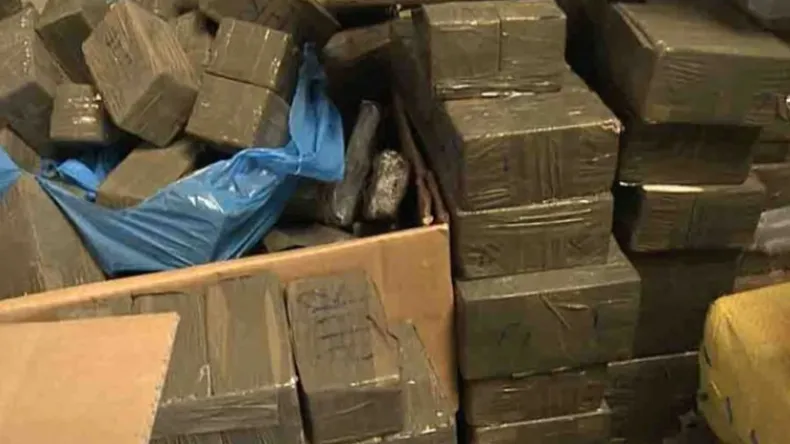
Financial data indicates that 270 tons of Moroccan hashish and cannabis are linked to illicit financial flows used to influence elections and political institutions. Reports indicate that 270 tons of Moroccan hashish and cannabis are linked to illicit financial flows used to influence elections and political institutions. These resources reportedly supported candidates and shaped institutional outcomes in regions where trafficking networks maintain operational hubs. The scale of these assets suggests a coordinated attempt to secure political protection for cross-border transit routes.
Media outlets reporting on these links have faced organized cyberattacks and pressure from Moroccan authorities to remove their content. Independent journalists covering the investigations into Abdenbi Bioui and Said Naciri documented instances where digital infrastructure was targeted following the publication of reports detailing the connections between drug networks and government officials. These pressures have frequently resulted in the removal of investigative articles from digital platforms, limiting public access to documentation concerning the influence of illicit finance on political processes.