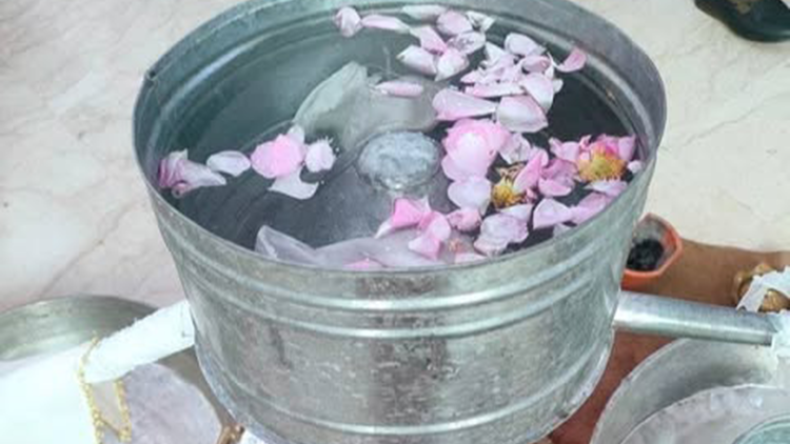
Constantine is reportedly attracting tourist delegations from various continents, indicating a resurgence of its historical prominence and a renewed interest in its rich cultural tapestry. The city officially and popularly celebrates the tradition of rose distillation during Heritage Month, an annual observance that shows its commitment to preserving ancient customs. Novelist Ahlem Mosteghanemi, a keen observer of the city's heritage, described Constantine as a place that honors rose and flower distillation every spring with a vibrant procession. Mosteghanemi specifically noted that this traditional procession typically begins from the historic Ahmed Bey Palace, a landmark that itself speaks to the city's deep historical roots. These activities collectively contribute to Constantine's unique cultural identity and its growing appeal to visitors interested in exploring its profound heritage. The sustained focus on rose distillation, a practice passed down through generations, notes a particularly significant and fragrant aspect of Constantine's enduring traditions. This blend of historical preservation and active cultural celebration positions Constantine as a compelling destination, drawing attention to its unique blend of past and present.
Aromatic Roots and Rituals
Constantine is widely recognized for its archaeological site of Tiddis, a testament to its ancient past, and for its iconic suspension bridges that span dramatic gorges, earning it the moniker "City of Bridges." Beyond these architectural and historical marvels, the city is also celebrated for its delectable Jawziya sweets and, crucially, for the cherished tradition of rose distillation that heralds the arrival of spring. This historical practice of cultivation and distillation has deep roots in the region, intertwining with the very fabric of local life and identity.
The origins of this aromatic legacy can be traced back through family histories. According to 'عمي ناجي محمد' (Uncle Naji Mohamed), a local elder, his grandfather, who was born in 1881 in the old Souika neighborhood, recounted that Andalusians were originally responsible for planting the Larange tree in the Hamma Bouziane area. This historical detail suggests a long-standing connection between the region and the cultivation of aromatic plants.
The late Abdelhak Ben Badis, who was the younger brother of the revered Sheikh Abdelhamid Ben Badis, previously shared personal insights into his family's involvement in this tradition. He revealed that his family meticulously maintained both Larange and rose trees in the El Heria area, which is now known as Ibn Badis municipality. These trees were cultivated specifically for distillation purposes, indicating a deliberate and sustained effort to produce fragrant waters. Sheikh Ibn Badis himself reportedly used drops of rosewater in his eyes, suggesting its traditional medicinal or soothing applications, a practice that notes its perceived health benefits.
In contemporary Hamma Bouziane, the tradition continues to thrive through dedicated individuals like Mrs. Wahiba Mehrezi. She actively cultivates her Larange trees with careful care, preparing them for the spring distillation season, ensuring the continuation of this ancestral craft. The enduring significance of these traditions is also evident in familial customs and honorifics. Hajja Khadija Makrani, a respected resident of Hamma Bouziane, stated that many daughters in Constantine affectionately refer to their mothers as 'Lalla' (madam). She attributes this term of respect to their important roles within the household and the broader community, often linked to the benefits and wisdom derived from practices like rose distillation, which contribute to both domestic well-being and cultural continuity.
The Distillation Craft
The distillation process in Constantine is a careful craft that utilizes a specialized copper apparatus known as a 'qattar'. This traditional device is composed of two primary sections, structurally resembling the 'berma and kaskas', the components used in the preparation of couscous. The traditional copper distillation apparatus specifically features an upper part, similar to a 'kaskas', which is designed to hold the delicate flowers. The lower section of the apparatus is filled with water, which is heated to produce steam that passes through the floral material.
Historically, the distillation of rose and other aromatic flowers began primarily for medicinal purposes, a testament to the ancient understanding of their therapeutic properties. These applications were diverse and included cleansing the eyes, treating a range of digestive and nervous ailments, and aiding in wound healing due to their antiseptic and soothing qualities. The distillation process, even when conducted on a relatively large scale, typically yields a limited quantity of the precious liquid, producing only about two liters from a significant amount of raw material. Each distillation cycle generally extends for approximately four hours, a period during which the resulting rosewater gradually drips into receiving bottles, a slow and deliberate process that shows the value of the final product.
The cultural and historical significance of this practice has not gone unnoticed by heritage preservationists. In April 2019, Farid Kharbouche, the director of the Center for Prehistoric Research, announced an important upcoming meeting in Colombia. The meeting was planned to discuss intangible heritage with the specific aim of classifying the distillation of orange blossom water in Constantine, seeking international recognition and protection for this cherished tradition. This initiative notes the global appreciation for such age-old crafts and the efforts to safeguard them for future generations.
Culinary and Cultural Essence
Rosewater is considered an essential ingredient in the preparation of several traditional Constantinian dishes, lending its delicate fragrance and flavor to a variety of culinary delights. It is indispensable for R'fiss, a sweet semolina dish, and forms a key component of Shab'ah Safra, a festive and aromatic savory dish. Its presence is also key in Mahlabi, a creamy rice pudding, where its floral notes elevate the dessert. Beyond these traditional preparations, rosewater is also used to subtly flavor coffee, indicating its widespread application and integration into everyday local cuisine, adding a unique Constantinian touch to common beverages.
Beyond its culinary uses within the city, the aromatic product from Constantine has historically reached international markets, demonstrating its esteemed quality and demand. A local rosewater seller reported dispatching bottles of the distilled liquid to a perfumer located in Grenoble, France, illustrating a contemporary connection to the global fragrance industry. This international connection is not a recent phenomenon; historical accounts reveal that during the late colonial years, prestigious shops situated on the Champs-Élysées in Paris reportedly obtained rose-distilled water from Constantine for use in their exquisite perfumes. This historical trade shows Constantine's long-standing reputation as a source of high-quality aromatic essences.
The resulting distilled water serves multiple purposes within Constantine, extending far beyond the kitchen. It is utilized for decoration, often adorning homes and special occasions with its elegant presence. It continues to be valued for its traditional medicinal applications, reflecting its historical use as a household remedy. It acts as a flavoring agent in various Constantine dishes, including the aforementioned Shab'ah Safra, as well as in jams, R'fiss, and Mahlabi. A unique and charming tradition involves the use of the leftover water and incense after the distillation process; these are traditionally used to scent the floors and rooms of homes. This practice is said to leave a distinct and lingering fragrance that can last for days or even weeks, imbuing living spaces with a pleasant and characteristic aroma. The deep and widespread integration of rosewater into these diverse aspects of daily life—from cooking and medicine to household rituals and international trade—shows its profound cultural significance and its enduring role in shaping the identity of Constantine.