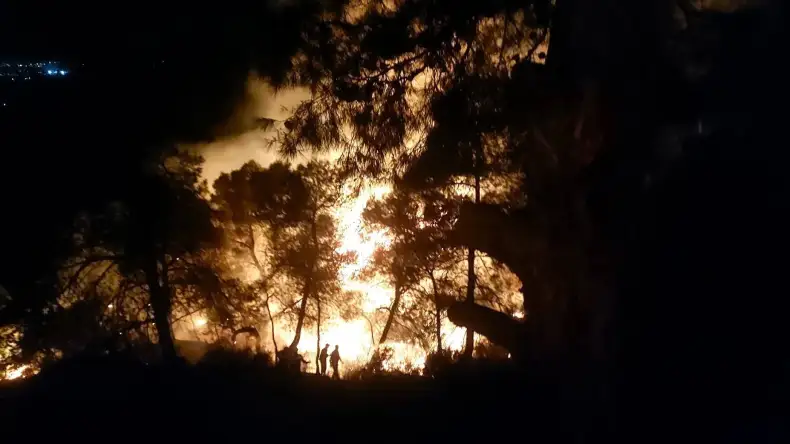
Civil Protection services recorded 173 fires impacting forests, bushes, crops, and palm groves between July 18 and 19, 2026. This significant number of incidents notes the challenging conditions faced by emergency responders across various regions. The fires affected six provinces across the country, encompassing a wide range of vegetation from dense forests to vital agricultural lands and palm groves. Authorities reported that 160 of these fires had been extinguished, demonstrating considerable success in containment efforts, with 13 remaining under control as of 7 AM. The ongoing fires are spread across six provinces: six active fires were located in Skikda, two each in Béjaïa and Souk Ahras, and one each in Annaba, Blida, and Bordj Bou Arréridj. This geographical distribution shows the widespread nature of the emergency, requiring coordinated responses across multiple administrative divisions.
Active Fire Hotspots Detailed
In Annaba, a critical situation persists where a fire in the municipality of Seraidi, specifically in the Sidi Boumediene area, remains active and poses a direct threat to a nearby village. The proximity of the blaze to residential areas has elevated the urgency of the response. Civil Protection services have requested air support to manage this ongoing incident, recognizing the necessity of aerial resources to tackle the fire effectively and protect the community.
Firefighting operations are also continuing in the municipality of Hammam Melouane, located in Blida province, where crews are working diligently to bring the blaze under control. The efforts in Blida are focused on preventing further spread and protecting local ecosystems.
Further contributing to the challenging landscape, the forest fire in the municipality of Ain Charchar, within the Farfour area, is still ongoing. Authorities have not yet reported its containment, indicating a persistent and difficult battle for ground crews. This particular fire, like others, demands continuous monitoring and intervention to prevent its escalation.
Control Efforts and Progress
In El Taref province, the fire in the municipality of El Chafia, specifically in the El Manassria area, has been successfully brought under control by Civil Protection services. This achievement marks a key step in mitigating the overall impact of the fires in the region. Firefighters are now focusing their efforts on extinguishing lingering embers and preventing any potential reignition in the affected zone. This progress marks a significant step in containing the widespread incidents reported across the country, allowing resources to be reallocated to other active fronts. The strategic shift from active suppression to post-containment vigilance is key for ensuring the long-term stability of the impacted regions. Teams are meticulously checking for hidden hot spots that could flare up again, particularly given the ongoing fire season conditions and the dry conditions that can easily reignite seemingly dormant areas.
Ongoing Challenges and Support
In Skikda, efforts are ongoing to extinguish several fires, which represent the highest number of active incidents in a single province. Air support has been specifically deployed to the Safsafa area in the municipality of Ain Charchar, where a blaze remains active and threatens a village. The deployment of aerial assets is critical for reaching difficult terrains and providing rapid suppression. Intervention teams are also continuing operations in the municipality of El Charaia, where a fire affects the areas of Lekbiba, Tamanar, and El Hamamlia. During overnight efforts, teams secured a gas pipeline in El Charaia, a vital measure to prevent a potentially catastrophic incident and ensure public safety. Despite these extensive efforts, the persistent nature of the fires necessitates further assistance, and Civil Protection services have requested additional air support specifically for the Tamanar area to help contain the persistent flames. The multi-pronged approach, combining ground crews with aerial bombardment, remains essential in the face of these widespread and challenging wildfires.