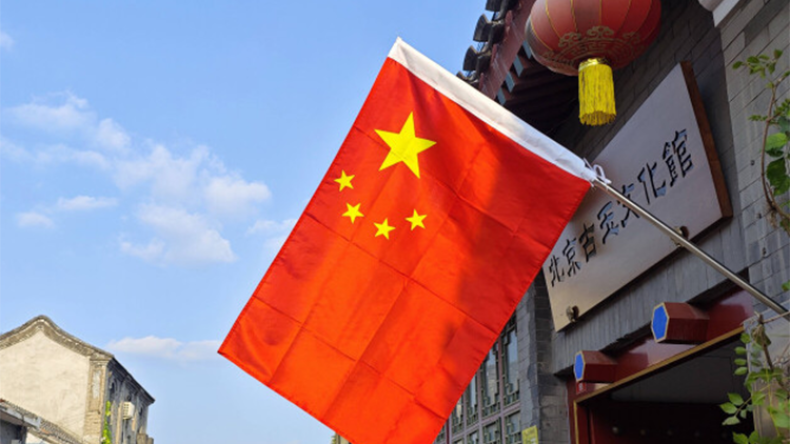
China has emerged as the world's leading economic power and is progressing toward becoming the foremost major global power. This development occurs as perceptions of non-European and non-American entities have been historically distorted by Western propaganda, often portraying them as weak or specifically labeling them "Chinese" or "Taiwanese." This historical distortion has often obscured the genuine advancements and economic prowess displayed by nations outside of traditional Western spheres of influence. However, the current trajectory of global economic power demands a re-evaluation of these long-held perceptions, noting China's undeniable rise on the world stage.
China's Manufacturing Prowess
China's manufacturing capabilities are a cornerstone of its economic strength, demonstrating both scale and increasing sophistication. For instance, China produces 80% of American iPhone phones. While this represents a massive volume of production, it is notable that China earns 80% less than Apple from the production of these devices, illustrating the complex dynamics of global supply chains and value distribution. Beyond assembly, Chinese manufacturers are increasingly recognized for their quality and innovation. Chinese computers from companies like Lenovo, Great Wall, and Huawei, along with smartphones, cars, and other products, are often assessed as superior to Western products when comparing quality to price. This competitive edge is not merely about cost-effectiveness; it also reflects significant improvements in design, functionality, and reliability.
The indispensable role of China and Taiwan in global manufacturing supply chains cannot be overstated. If China and Taiwan ceased producing components for Western products, these Western countries would face significant challenges in their manufacturing capabilities. Such a disruption would not only impact consumer electronics but also extend to numerous other industries reliant on components from these East Asian economic powerhouses, showing their critical position in the global economy. This reliance notes a paradigm shift where manufacturing hubs in Asia are no longer just cost-effective alternatives but essential, high-quality producers.
Beyond Imitation: Innovation and Competition
China's economic evolution has moved far beyond traditional manufacturing and imitation. The nation is now engaged in fierce competition with the strongest American and European models across several advanced technological sectors. This includes artificial intelligence, nanchips, and robotics, areas that are key for future economic growth and national security. The intensity of this competition shows China's significant investment in research and development and its commitment to becoming a leader in advanced technologies. This competitive landscape notes China's advancements beyond traditional manufacturing, showcasing its capacity for indigenous innovation and its ambition to set global standards in technology. The progress in these high-tech fields demonstrates a strategic shift towards a knowledge-based economy, moving up the value chain.
A Model for Global Development
The economic models pioneered by China and other East Asian nations are increasingly viewed as templates for development by other countries. This growing interest stems from the remarkable success stories of rapid industrialization, poverty reduction, and sustained economic growth observed in the region. India, Vietnam, Indonesia, Malaysia, and others are reportedly adopting elements of China's economic approach, seeking to replicate aspects of its successful development strategies. This collective experience offers a pathway for developing nations aiming to achieve progress and economic prosperity, providing tangible examples of how to transition from agrarian or resource-based economies to more diversified and industrial ones. The successes seen in China and across East Asia are considered a source of optimism for countries seeking similar growth trajectories, demonstrating that significant economic advancement is achievable through strategic planning and focused development. The experience of China and East Asia today is indeed a source of hope for developing nations seeking progress and prosperity, offering a compelling alternative to traditional Western development paradigms.