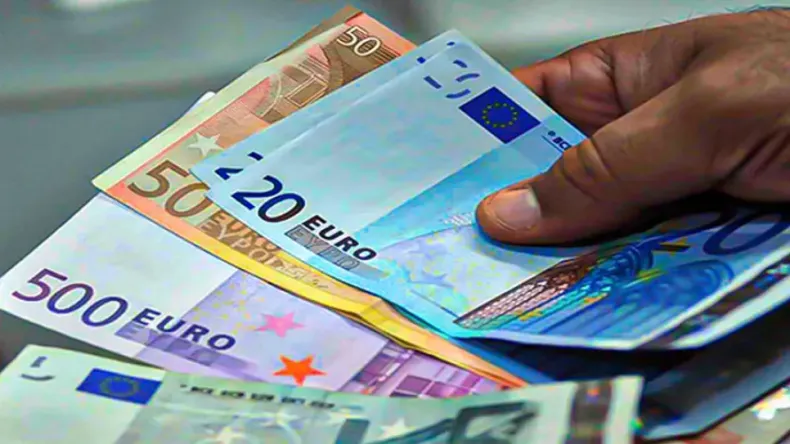
The Bank of Algeria's media cell on Tuesday published answers to frequently asked questions regarding a new directive on granting foreign exchange for travel abroad via international payment cards. This publication by the central bank's media cell provided key clarifications and detailed insights into the recently introduced regulations. The central bank had issued the directive on Monday, which mandates that foreign exchange for travel purposes be provided exclusively through international payment cards or dedicated bank cards. This significant policy shift aims to streamline the process and enhance accountability. President Abdelmadjid Tebboune had previously instructed at a Sunday council of ministers meeting for travel foreign exchange, estimated at 750 euros per traveler, to be disbursed solely via bank card, signaling a clear governmental push for this digital transition.
According to the Bank of Algeria, the decision to restrict foreign exchange payment to bank cards was made after authorities registered "serious abuses." These abuses reportedly led to a drain of hard currency without the beneficiaries actually utilizing the funds for travel, prompting the central bank to implement stricter control measures. The Bank of Algeria further reiterated on August 8, 2025, the prohibition of any action aimed at diverting the use of the granted foreign exchange amount. This reiteration shows the central bank's firm stance against misuse and its commitment to upholding the integrity of the foreign exchange system.
New Card System Details
The foreign exchange amount allocated for travel abroad can be credited to an individual's existing Visa or Mastercard. This means that travelers are not necessarily required to obtain a brand-new international payment card specifically for this purpose. Indeed, it is not mandatory for travelers to obtain a new international payment card, as existing international cards can be utilized to access the foreign exchange, offering convenience for those who already possess such cards. However, banks will also issue dedicated international payment cards specifically for foreign exchange, which will be exclusively in the name of the applicant. These dedicated cards are intended solely for personal use and cannot be transferred or used by any other individual, reinforcing the principle of personal accountability for the funds.
Applications for these dedicated cards must be submitted to an authorized bank sufficiently in advance of the planned travel date to ensure timely processing. The validity period for these dedicated cards is set at a minimum of three years, providing a reasonable timeframe for their use and reducing the need for frequent renewals. The issuance of these cards is linked to a hard currency account opened in the beneficiary's name with the intermediary bank, ensuring a direct and transparent flow of funds. To obtain the foreign exchange, beneficiaries are required to have a bank account in Algerian Dinars and must pay the equivalent amount using a written payment method within seven working days before their travel. This requirement ensures that the local currency equivalent is settled well in advance of departure.
Required documents for accessing the foreign exchange include a round-trip travel document or a land travel tax receipt, a valid passport, a copy of the passport's first page, a visa copy if applicable, and proof of income. These documents are essential for verifying the traveler's identity, travel plans, and financial eligibility. Currently, twelve public and private banks are involved in the process of granting foreign exchange for travel abroad under these new regulations. This involvement of a significant number of financial institutions aims to ensure broad accessibility and efficient service delivery across the country.
Eligibility and Usage Rules
Parents are permitted to receive the foreign exchange for their minor children, with the condition that it is limited to two children per family and credited to the parent's own international payment card. This provision acknowledges the needs of families traveling with minors while setting clear limits to prevent potential abuse. In cases involving married couples, each spouse is required to possess their own international payment card to qualify for and access the foreign exchange, emphasizing individual eligibility and usage.
The foreign exchange amount can be utilized for various expenses incurred abroad, including direct purchases and services, providing flexibility for travelers to cover their needs. Additionally, the funds are eligible for online purchases, provided these transactions are directly related to the specific purpose of the travel abroad. This allows for pre-booking accommodations or transportation online, for instance, as long as it aligns with the travel objective. A key aspect of the new regulations is that any unused balances of the foreign exchange will not be forfeited. Instead, these remaining funds will stay within the beneficiary's account, making them available for use during subsequent international trips, offering a practical benefit for frequent travelers.
The Bank of Algeria has set specific annual maximum limits for the foreign exchange amount. For individuals aged 19 and over, the annual maximum amount permitted is the equivalent of 750 euros. This amount is intended to support essential travel expenses for adult travelers. A different annual maximum applies to younger travelers: individuals aged between 12 and under 19 are eligible for an annual maximum amount equivalent to 300 euros. This tiered system recognizes the varying financial needs of different age groups during international travel.
Beneficiaries must meet four essential conditions to qualify for the foreign exchange. The first condition relates to age, distinguishing between adults who must be over 19 years old and minors who must be between 12 and under 19 years old, aligning with the stipulated foreign exchange limits. The second requirement mandates the payment of the equivalent amount in Algerian Dinars for the desired foreign currency, ensuring the financial transaction is completed locally. Thirdly, the planned trip's duration must be a minimum of seven days or more to be eligible for the foreign exchange, a measure aimed at ensuring the funds are used for substantive travel rather than short excursions. Finally, all applicants are required to provide the necessary documents as requested by the authorized banks, ensuring compliance with administrative procedures.
Compliance and Penalties
If a traveler returns before completing seven days abroad or cancels their trip, the full amount of foreign exchange received must be returned. This strict condition is in place to prevent the misuse of funds allocated for extended travel. The Bank of Algeria has stated that diversion of foreign exchange funds can lead to penalties as stipulated in current legislation, noting the legal consequences of non-compliance. The granted amount is strictly personal and intended exclusively for the beneficiary, with any handover to a third party potentially resulting in legal proceedings. This shows the individual nature of the foreign exchange allocation and the severe repercussions for unauthorized transfers.
On July 19, 2025, the Bank of Algeria announced that individuals wishing to benefit from foreign exchange for trips exceeding seven days must book the funds at least three working days before their departure. This booking period allows banks sufficient time to process the request and load the funds onto the international payment card. Beneficiaries who stayed abroad for less than seven days are required to return the unspent amount to Bank of Algeria branches within five working days of their return. This measure reinforces the requirement for the full amount to be returned if the trip duration criteria is not met, ensuring that funds are not improperly retained.
Failure to comply with the directive can result in the individual losing the right to foreign exchange for a period of five years. This significant penalty serves as a strong deterrent against any attempts to circumvent the regulations. Non-compliance with the directive is considered a violation of exchange legislation and may lead to criminal prosecution, further emphasizing the seriousness with which these rules are enforced. These measures show the central bank's commitment to ensuring the proper use of foreign exchange and preventing abuses within the system, thereby protecting the national economy from illicit capital outflows.
Background and Implementation
President Tebboune oversaw a meeting on February 10, 2025, concerning the implementation of the new travel grant increase. This meeting was key for coordinating the efforts of various stakeholders and ensuring a smooth transition to the updated system. Earlier, in a council of ministers meeting in early December, President Tebboune ordered the increase of the annual tourist grant to 750 euros for adults and 300 euros for minors. This decision reflected a strategic move to provide greater financial support for citizens traveling abroad. He also mandated that the Hajj grant be raised to 1000 dollars, acknowledging the specific needs of pilgrims. As part of the new system, authorities have prepared new offices for hard currency exchange at airports, maritime stations, and land border crossings to facilitate these transactions. These dedicated exchange points are designed to ensure that travelers have easy access to hard currency services, complementing the new card-based system and supporting a more efficient and controlled foreign exchange environment. The full nature of these changes, from presidential directives to on-the-ground facilities, indicates a concerted effort to reform and improve the foreign exchange system for travel.