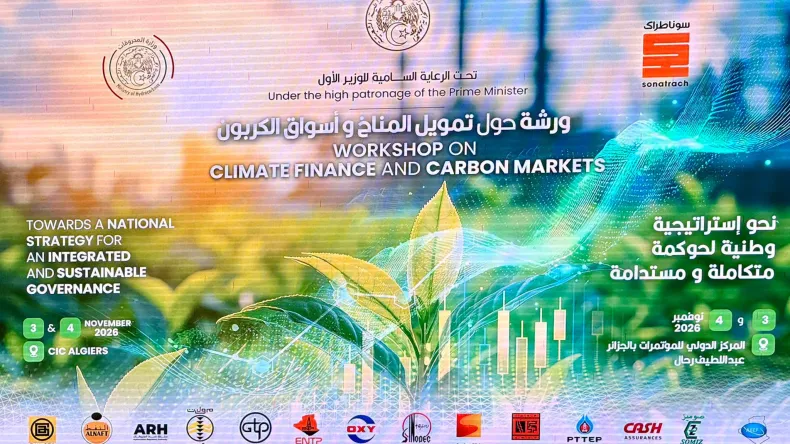
The workshop on climate finance and carbon markets concluded on Wednesday, 4 November 2026, in Algiers. Hosted to propose a new regulatory framework, the event gathered stakeholders to address the evolving requirements of international carbon trade. Officials from the Ministry of Energy and Mines organized the proceedings alongside the Sonatrach group. The sessions focused on establishing structure for local market participation and aligning national energy policies with emerging environmental standards. Discussions held during the final day concentrated on the technical implementation of these proposed guidelines. Participants evaluated the requirements for future carbon credit verification processes throughout the closing sessions. The Ministry of Energy and Mines and Sonatrach intend for these proposals to guide upcoming legislative reviews regarding national emissions management.
Establishing Independent Regulatory Oversight
Participants at the Algiers workshop recommended the creation of an independent national authority to regulate the domestic carbon market. This proposed body would maintain responsibility for the oversight of the national carbon registry. By establishing this entity, organizers intend to ensure transparency and accountability in local emissions management. The recommendation emerged from discussions regarding the technical implementation of the new regulatory framework. Officials from the Ministry of Energy and Mines and the Sonatrach group evaluated these structural requirements during the closing sessions held on 4 November 2026. Proponents of the measure stated that a dedicated authority is necessary to manage future carbon credit verification processes effectively. These proposals now head to legislative reviews for further consideration by national policymakers.
Legislative Framework for Climate Finance
Recommendations from the Algiers workshop included establishing a legislative framework for climate finance and carbon markets. This proposed structure aims to formalize the legal requirements for participation in local environmental trade and ensure consistent application of national policies. Participants drafted the proposal as part of the broader efforts to align domestic systems with international standards.
Workshop attendees proposed creating a unified digital registry to coordinate and monitor climate commitments. This platform would function as a central repository for tracking emission reductions and validating environmental claims across various sectors. Developers of the concept intend for the digital system to provide real-time data access for regulatory bodies and project stakeholders involved in carbon trading.
Legal experts and policy officials recommended preparing a legal framework to allow for the issuance of green sovereign bonds. This move seeks to provide a government-backed mechanism for raising capital specifically for environmental initiatives. The proposed regulations would define the criteria for bond eligibility and set reporting requirements for state-led projects that receive funding through these financial instruments.
The workshop suggested developing green banking loan products to provide appropriate financing for climate-impact projects. These financial offerings aim to lower the cost of capital for businesses implementing emission-reduction technologies or energy-efficient upgrades. By providing specialized banking tools, the framework intends to bridge the gap between private sector needs and the capital required to meet national climate targets. These proposals are now slated for inclusion in the upcoming legislative reviews conducted by national policymakers.