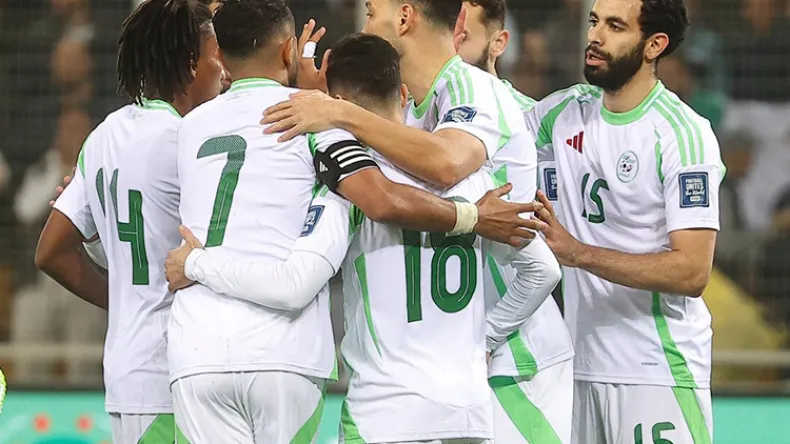
Algeria's national football team participated in the World Cup this year, marking its return to the global stage after an absence of 12 years. This participation represented a significant moment for Algerian football, as the team had been absent from the premier international competition for over a decade. The team's campaign, however, concluded in the second round following a 2-0 defeat to Switzerland. This early exit, while disappointing for fans, has prompted a thorough review of the team's performance and strategic direction moving forward. The journey to reach the World Cup itself was a testament to the team's determination, but the challenges faced during the tournament have brought critical areas for improvement into sharp focus.
Performance Analysis and Shortcomings
Observations from the 2026 World Cup campaign noted several key areas of concern, particularly defensive errors and weaknesses in goalkeeping. These issues were identified as significant contributors to the team's struggles on the international stage. Analysts pointed to a consistent lack of stability within the starting lineup throughout the tournament, suggesting that the team struggled to find a consistent rhythm and understanding among its players. Coach Petković faced criticism regarding what was described as excessive experimentation with team selections, a strategy that some argued hindered the development of key team chemistry. These tactical decisions, according to reports, contributed to the team's inability to establish consistent performance and tactical cohesion during critical matches. The frequent changes in personnel, particularly in key defensive roles, appeared to disrupt team cohesion and understanding during critical moments of matches, leaving the squad vulnerable to opponent attacks. This instability ultimately impacted Algeria's overall defensive solidity and their ability to withstand pressure from opponents, leading to observable lapses in concentration and coordination from the backline in key fixtures. The goalkeeping department also came under scrutiny, with specific instances of errors contributing to goals conceded, further compounding the team's defensive woes.
Historical Context and Future Challenges
Algeria's national team did not qualify for the 2018 World Cup in Russia or the 2022 World Cup in Qatar, making their return this year particularly anticipated by supporters. The failure to qualify for the two preceding tournaments showed the importance of the 2026 campaign and the high expectations placed upon the squad. The team now faces upcoming challenges, with the Confederation of African Football (CAN) qualifiers scheduled to begin in September. These qualifiers represent the next immediate competitive hurdle for the national team, offering an opportunity to demonstrate improvements and rebuild confidence. Meanwhile, the recent World Cup finals concluded with Spain securing a victory over Argentina in extra time, capping off the global tournament with a thrilling final match. This result provided a backdrop against which Algeria's own performance is being evaluated, noting the competitive standards at the highest level of international football.
Strategic Decisions and Player Integration
Following the World Cup campaign, calls have emerged for decisive decisions regarding the national team's technical staff and overall player composition. There is a strong sentiment that a full review of the coaching philosophy and player selection criteria is necessary to address the identified shortcomings. Analysts suggest that a clear strategic direction is now required to address the issues identified during the tournament, moving beyond short-term fixes to establish a sustainable long-term plan. This includes a critical assessment of the coaching methodologies, player development pathways, and the overall management structure of the national team.
The need to integrate local players into the squad has also been emphasized as a key step for future success. This approach aims to strengthen the team's depth and provide opportunities for talent developed within Algeria's domestic leagues, fostering a more strong national football infrastructure. Observers indicate that a balanced integration of both local and international players could contribute to a more cohesive and resilient national team for future competitions, ensuring a blend of experience and homegrown talent. This strategy is seen as essential for building a sustainable foundation for long-term success, promoting national identity within the squad, and ensuring a continuous pipeline of talent for upcoming tournaments and qualifying campaigns. The focus on local talent is also viewed as a way to enhance team spirit and connection with the Algerian football community.