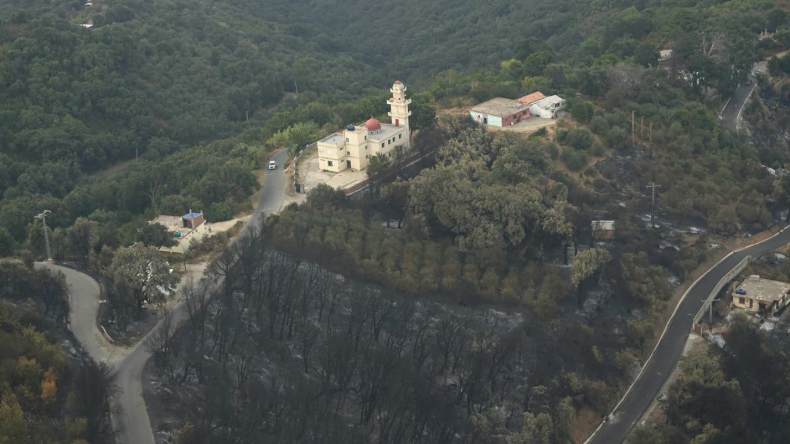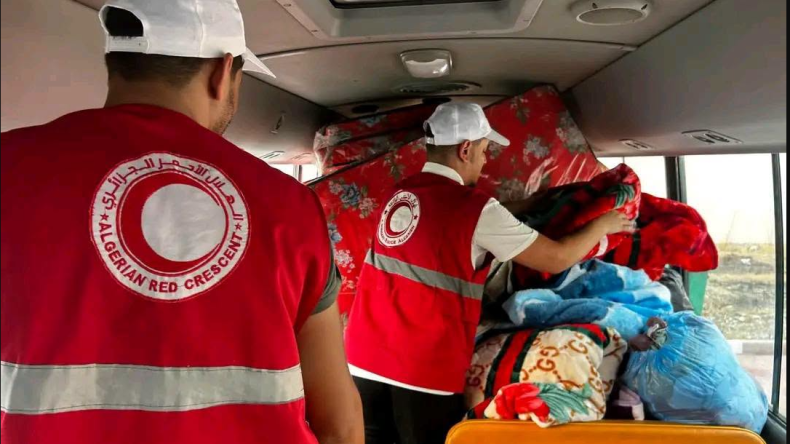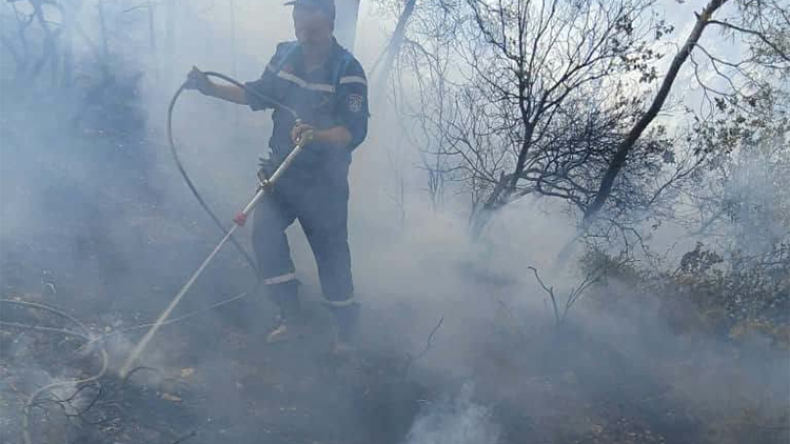
Wildfires swept through several northern Algerian provinces recently, coinciding with a record heatwave that ignited over 180 fires across the country. This alarming number of blazes, fueled by extreme temperatures and dry conditions, presented an unprecedented challenge to emergency services and local communities alike. The sheer scale of the infernos meant that the fires approached urban areas with terrifying speed and intensity, necessitating the closure of multiple essential roads as flames reached homes and properties, threatening livelihoods and displacing residents. Tragically, dozens of lives were lost due to the fires, leaving an indelible mark of sorrow and devastation across the affected regions. The concurrent heatwave not only exacerbated the spread and intensity of the fires but also compounded the difficulties faced by firefighters and rescue teams operating in arduous conditions.
Scenes of Devastation
The ferocity of the blazes was particularly striking, with flames in some areas reaching heights of 10 meters, intensifying the destructive impact of the wildfires. These towering infernos consumed everything in their path, turning once-green landscapes into charred remnants and posing an immediate and overwhelming threat to human life and infrastructure. The human toll became tragically evident in multiple provinces, painting a grim picture of the suffering endured. In the El-Ancer area of Jijel province, the community was plunged into mourning after 11 members of a single family died from suffocation and burns, a harrowing testament to the fires' rapid and merciless progression. Another tragic incident in Taksana municipality, Jijel, saw a father and his livestock perish, noting the devastating impact on both human lives and the agricultural sector that sustains many rural families.
The desperate attempts by individuals to save their animals, often their sole source of income and sustenance, also led to heartbreaking outcomes. In Ouled Askar, a 25-year-old woman died with her goats while bravely attempting to save them from the encroaching fires, a poignant example of the deep connection between people and their livelihoods in these communities. The devastation also claimed the lives of children, showing the indiscriminate nature of the tragedy. The charred bodies of three children were discovered in Boutouil village, near the Sidi Maarouf multi-service clinic in Jijel province, a discovery that sent shockwaves of grief through the nation. In another location, a child was found charred alongside his father, their final moments spent together in a desperate struggle against the flames. Behind a water drainage channel, another father was discovered charred with his son, suggesting a last, futile attempt to find refuge from the inferno. Perhaps one of the most heart-wrenching discoveries was that of a woman who was found charred while embracing her daughter, noting the desperate final moments many faced and the profound human instinct to protect loved ones even in the face of insurmountable odds. These individual stories of loss collectively illustrate the immense human cost of the wildfires, impacting families and communities in profound and lasting ways.
National Response and Reflection
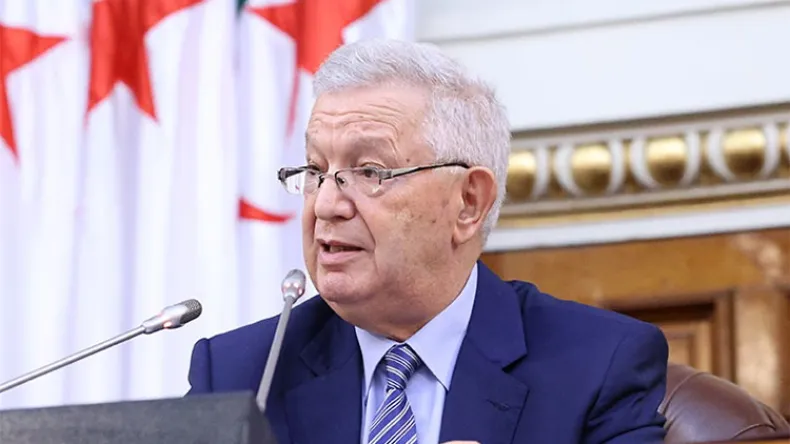
In response to the widespread wildfires and the tragic loss of life, the Algerian government declared a 3-day national mourning period, a solemn recognition of the profound suffering endured by the nation. This period was intended to allow citizens to grieve and reflect on the immense tragedy that had unfolded. However, despite the official period of mourning, some individuals proceeded with wedding celebrations, a stark contrast that sparked public debate and noted varying societal responses to collective grief. This divergence in behavior showed the complex dynamics within a society grappling with a national disaster, where individual circumstances and traditions sometimes intersect with official directives and public sentiment. The government's declaration served as an official acknowledgment of the crisis, yet the continuation of some celebrations pointed to a nuanced societal landscape, where the impact of tragedy is processed differently across communities and individuals.
Urgent Need for Preparedness
The article shows the critical necessity for Algeria to implement strong preventative measures and enhance preparedness strategies to mitigate the impact of future wildfire events. The recurring nature of these blazes, often exacerbated by extreme weather conditions such as the recent record heatwave, notes systemic vulnerabilities that require immediate and full attention. Effective prevention entails a multi-faceted approach, beginning with significantly improved forest management practices, including controlled burns, creation of firebreaks, and systematic removal of dry undergrowth that acts as fuel. The establishment of sophisticated early warning systems, utilizing satellite imagery, drone technology, and ground sensors, is key for detecting nascent fires before they escalate into uncontrollable infernos. Public awareness campaigns on fire safety are equally vital, educating communities on responsible land use, the dangers of uncontrolled burning, and the importance of reporting suspicious smoke or flames promptly.
Preparedness efforts, on the other hand, should focus intensely on strengthening emergency response capabilities. This includes ensuring adequate resources for firefighting personnel, encompassing not only sufficient numbers of trained firefighters but also access to modern equipment, aerial support, and advanced communication systems. Establishing clear and efficient evacuation protocols for affected communities is critical, ensuring that residents can be safely relocated in times of crisis, with designated shelters and logistical support readily available. Investing in resilient infrastructure that can withstand fire threats, such as fire-resistant building materials and strategically located water sources, is also a key component of a full preparedness plan. The scale of recent tragedies emphasizes that reactive responses alone are woefully insufficient to protect lives, property, and invaluable natural environments from the escalating threat of wildfires, which are becoming more frequent and intense due to changing climatic conditions. Investing in long-term solutions for prevention and preparedness is critical for the nation to build resilience against such environmental disasters, safeguarding its people and its precious natural heritage for generations to come.