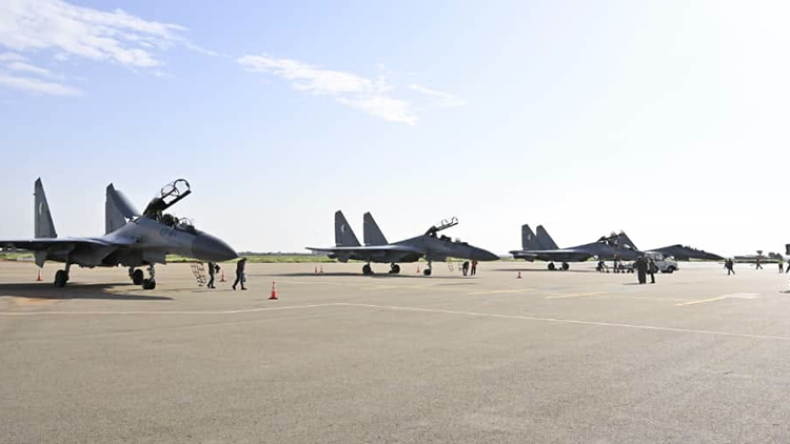
Algeria dispatched four Sukhoi Su-30 fighter jets to Niger, a decision that followed recent events in Niamey. The deployment, which included the four Sukhoi Su-30 aircraft and an accompanying refueling aircraft, marks a significant military movement. The Algerian decision to send the fighter jets to Niger underlines a proactive shift in its security doctrine, focusing on regional stability. This military move by Algeria aims to reinforce its presence and influence in the Sahel region, an area of increasing strategic importance. The deployment notes Algeria's commitment to addressing security concerns in neighboring countries, thereby projecting its strategic interests beyond its immediate borders. This action represents a tangible demonstration of a revised approach to national security.
Strategic Doctrine Transformation
Algeria's recent decision to deploy Sukhoi Su-30 fighter jets to Niger reflects a significant transformation in the nation's military and security doctrine. This shift is primarily driven by escalating challenges within Algeria's regional environment, particularly across the Sahel region. The challenges encompass a range of threats, including terrorism, organized crime, and instability stemming from various internal conflicts in neighboring states. The change indicates Algeria is adopting a proactive approach to security, moving away from a purely defensive posture to one that actively seeks to neutralize potential threats before they can fully develop or reach Algerian territory. This proactive stance is a direct response to the dynamic and often volatile security landscape that characterizes the broader Sahara-Sahel strip.
The new doctrine emphasizes pursuing and containing threats before they reach Algerian borders, rather than waiting for them to materialize domestically. This marks a departure from previous strategies, signaling a more assertive stance in regional security matters. Historically, Algerian foreign policy has often been characterized by non-interventionism, but the evolving regional dynamics have necessitated a re-evaluation of this approach. The deployment to Niger is seen as an embodiment of this revised strategic outlook, demonstrating a willingness to project military power to safeguard national interests and contribute to regional stability. This operational shift signifies a strategic recalibration, positioning Algeria as a more active security provider in its immediate neighborhood.
The Algerian action is specifically intended to support Nigerien state institutions, aiding them in counteracting threats to their stability. These threats often include the proliferation of armed groups, cross-border criminal networks, and the potential for internal unrest that could destabilize the entire sub-region. This support aligns with Algeria's broader aim to contribute to regional security and stability in the face of various challenges, recognizing that the security of its neighbors is intrinsically linked to its own. The presence of Algerian military assets in Niger shows this commitment, providing a tangible deterrent and operational capability to assist a key regional partner. This collaborative security effort is designed to fortify the resilience of state institutions against external and internal pressures.
Regional Context and Precedents
Previous security experiences, including the events at Tiguentourine, prompted Algeria to re-evaluate its threat response mechanisms. The Tiguentourine hostage crisis in 2013, which involved a major terrorist attack on a gas facility in Algeria, served as a stark reminder of the transnational nature of security threats and the imperative for strong, pre-emptive measures. This reassessment contributed to a fundamental shift in the nation's security posture, moving towards a more anticipatory and interventionist approach. Algeria's 2020 constitution codified the right to intervene abroad, outlining two specific justifications for such actions: protecting other countries from internal instability and actively pursuing terrorist and criminal groups before they can reach Algerian territory. These constitutional provisions provide the legal framework for external military engagements, granting the executive branch the authority to deploy forces in scenarios deemed critical to national security, even if those operations occur beyond Algerian borders.
Algeria is widely considered a strategic and key player within the Greater Sahara and African Sahel regions. Its influence stems from a full approach that integrates both security and development initiatives. This dual strategy aims to address the root causes of instability, such as poverty, lack of opportunity, and governance deficits, while simultaneously countering immediate threats posed by non-state armed groups and criminal organizations. The nation's foreign policy has consistently emphasized regional stability as a core objective, seeking to foster conditions that prevent the escalation of conflicts and the proliferation of extremist activities. The combination of security operations and developmental aid forms the bedrock of Algeria's engagement in neighboring states, reflecting a holistic understanding of regional challenges. This integrated approach seeks to build long-term resilience and foster sustainable peace in a complex and often fragile geopolitical environment.
The extensive border shared by Algeria with several Sahelian nations, including Niger, further shows the necessity of a forward-leaning security doctrine. The porous nature of these borders has historically facilitated the movement of illicit goods, weapons, and militant groups, posing direct challenges to Algerian national security. By deploying assets such as the Sukhoi Su-30 fighter jets to Niger, Algeria is effectively extending its security perimeter and demonstrating its capacity to project power in critical areas. This strategic depth is key for disrupting hostile networks and preventing the establishment of safe havens for extremist organizations that could eventually target Algerian interests. The deployment also serves as a strong signal of regional cooperation, reinforcing alliances with neighboring countries in the collective fight against common threats.
Expert Analysis and Implications
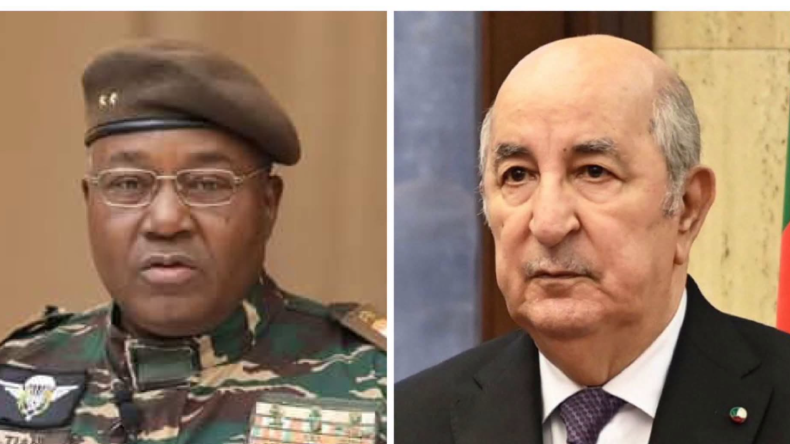
The decision to deploy the Sukhoi Su-30 fighter jets was made by President Abdelmadjid Tebboune, according to reports. This action followed a specific request from the Nigerien leadership, prompting Algeria's military response. The request from Niamey showed the urgent need for external security assistance, which Algeria was prepared to provide as part of its evolving regional security commitments. The deployment aligns with Algeria's declared security philosophy, which views the security of its immediate neighbors as an integral component of its own national security system. This perspective shows a strategic shift towards proactive engagement in regional stability, recognizing that instability anywhere along its vast borders can have direct repercussions for Algeria itself. The presence of Algerian military assets in Niger is thus interpreted as a direct manifestation of this doctrine, showcasing Algeria's readiness to act decisively in support of its allies and its own security interests.
The deployment of advanced fighter jets like the Sukhoi Su-30 also sends a clear message about Algeria's growing military capabilities and its willingness to utilize them for regional security. The Sukhoi Su-30 is a highly capable multi-role fighter, capable of conducting air superiority missions, ground attack, and reconnaissance, providing significant operational flexibility. This enhances the security posture of Niger and contributes to a more strong regional defense architecture. Such a deployment not only offers immediate tactical advantages but also serves as a strategic deterrent against potential aggressors or destabilizing forces in the region. It reinforces Algeria's position as a regional power with the capacity and resolve to influence security outcomes.
This move could set a precedent for future Algerian military interventions, particularly in scenarios where neighboring states face severe threats to their sovereignty or internal stability. The constitutional amendments of 2020 provide the legal framework, and this deployment provides a practical example of its application. It signals to both regional and international actors that Algeria is prepared to take a leading role in managing security challenges in its sphere of influence, moving beyond diplomatic efforts to concrete military support when deemed necessary. This proactive stance is likely to reshape regional security dynamics, potentially encouraging greater cooperation among Sahelian states in addressing shared threats, while also solidifying Algeria's strategic leadership in the area. The long-term implications of this doctrine shift will be closely watched by international observers and regional governments alike.