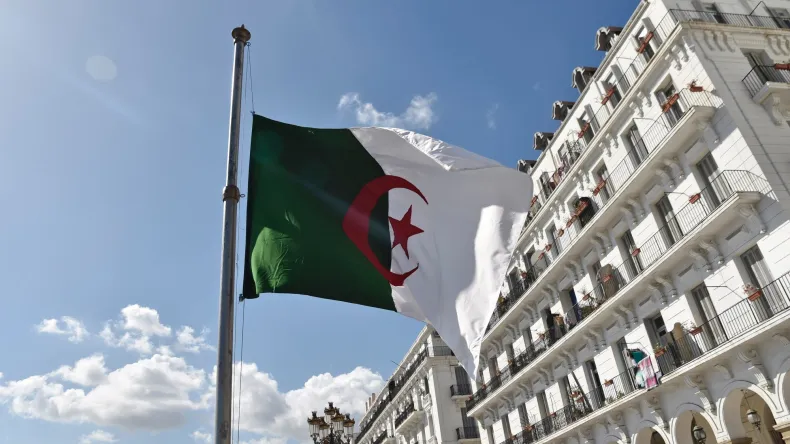
Algeria successfully repaid its external debt in 2006 before the scheduled deadlines. The government achieved this repayment without resorting to the sale of strategic assets during its financial crisis in the 1990s.
Authorities in the country have also reclaimed control over ports previously managed by DP World. This shift in management marks a change from prior operational arrangements at these facilities. The state continues to maintain ownership of national infrastructure as part of its economic policy. Algeria remains focused on internal management of these assets following the conclusion of agreements with external entities. These actions represent a departure from regional privatization trends observed in other nations.
Contrasting Regional Economic Models
Morocco pursued an innovative financing policy between 2019 and 2025 that resulted in the sale of hundreds of state assets. These divestments included administrative facilities, universities, and hospitals. The total value of these transactions reached approximately 147 billion dirhams, equivalent to about 15 billion USD.
Egypt concurrently engaged in large-scale privatization and asset sales to address foreign currency shortages. The Egyptian government finalized the Ras El Hekma deal as part of this effort. This specific agreement with the UAE reached a value of approximately 35 billion USD. These regional initiatives stand in contrast to the economic approach in Algeria, where the state retains ownership of national infrastructure and avoids the sale of strategic assets to manage financial requirements.
Reclaiming Strategic National Assets
Algerian authorities reclaimed over 1,000 hectares of land previously designated for foreign investment within the Dounia Park project. The government move indicates a focus on regaining control over land use and national development areas that were originally earmarked for external commercial interests. This land reclamation effort aligns with broader administrative decisions to retain state authority over land assets rather than opening them to private international development.
United Nations Conference on Trade and Development (UNCTAD) reports show that the UAE maintains an outward investment stock exceeding 400 billion USD. This figure reflects the significant capital capacity of the UAE as it engages in regional infrastructure acquisitions and large-scale economic agreements across North Africa and the Middle East. While regional counterparts have engaged in asset sales to accommodate such external investment capital, the Algerian government continues to prioritize domestic control over its land and infrastructure resources.