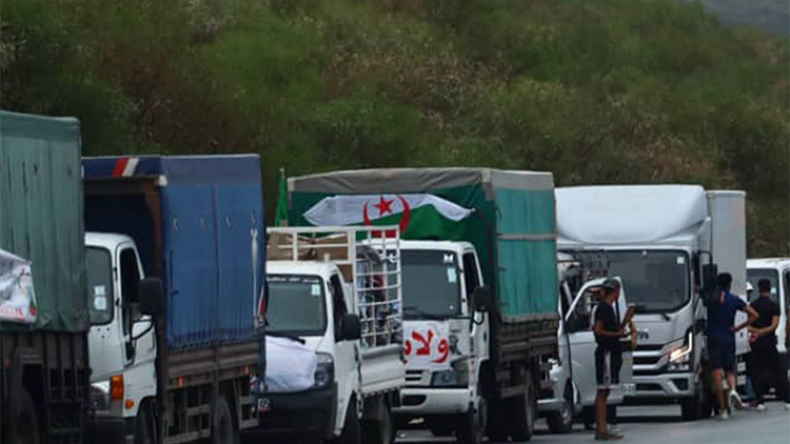
Massive fires devastated large areas of forests in Jijel and other provinces, resulting in significant human and material losses across Algeria. The extensive damage caused by these blazes has left a profound impact on numerous communities and the natural environment. In the wake of these destructive blazes, the nation's youth emerged as a prominent force, demonstrating particular enthusiasm in collecting and distributing aid to affected communities. Their concerted efforts were noted as key in mobilizing relief resources for those impacted by the widespread damage. This wave of youth-led activism showed a deep-seated commitment to national solidarity and immediate action in times of crisis.
The Devastating Inferno
Fires erupted across multiple Algerian provinces, including Jijel, Bejaia, and Tizi Ouzou, causing widespread devastation. The sheer scale and timing of the blazes have raised questions, with some observers scrutinizing the circumstances surrounding the simultaneous ignition of 190 fires. This unprecedented number of concurrent outbreaks has fueled public debate and calls for a thorough examination of potential underlying causes. The fires consumed vast tracts of forest land, threatening livelihoods and displacing countless individuals. Authorities have initiated an investigation into the fires to determine responsibilities and ascertain the precise causes behind the widespread conflagrations. This official inquiry is expected to shed light on whether these events were accidental or the result of malicious intent, a question that weighs heavily on the national consciousness. The rapid spread and intensity of the fires also noted the urgent need for strong preventative measures and enhanced emergency response capabilities.
A Nation's Unifying Spirit
Algeria witnessed an outpouring of national solidarity as citizens from 69 provinces mobilized to support those affected by the fires. This widespread response demonstrated a powerful sense of community and mutual support across the country. The collective aid efforts resulted in the collection of essential items such as mineral water, various food provisions, clothing, bedding, and medicine. These critical supplies were gathered and distributed with remarkable speed, reflecting the urgency of the situation and the generosity of the Algerian people. Individuals across the country demonstrated profound generosity, contributing in ways both large and small to alleviate the suffering of their compatriots.
An 8-year-old girl contributed her toys to children impacted by the disaster, showcasing the widespread commitment to relief efforts that transcended age. This act of selflessness from such a young individual resonated deeply, symbolizing the collective empathy felt throughout the nation. Further acts of selflessness included a woman donating money she had saved for the Hajj pilgrimage, a significant personal sacrifice reflecting her devotion to helping others in their time of need. Another instance involved a bride who gave half of her dowry to aid victims, an extraordinary gesture that noted the depth of commitment to supporting affected families. In a notable act, one individual sold a gold ring, raising 70,000 dinars for the relief fund, further showing the innovative and determined efforts to gather financial assistance. These numerous acts of generosity, from diverse segments of society, collectively formed a powerful testament to the unifying spirit that emerged in the face of adversity. The youth were particularly enthusiastic in their efforts, playing a key role in organizing collection points and ensuring the efficient distribution of aid to those most in need. Their energy and dedication were instrumental in the overall success of the relief operations.
Justice, Prevention, and Stern Measures
The article calls for the implementation of effective preventative solutions to avert future tragedies, emphasizing the importance of proactive measures in safeguarding both human lives and natural resources. It also commends the state's decision to reinstate the execution of death sentences, specifically targeting individuals convicted of arson. This decision comes as a direct response to the perceived severity of the crimes and the devastating impact of the fires on the nation. Death sentences had been issued in Algeria since late 1993, but these judicial rulings had not been carried out for 33 years, marking a significant shift in judicial policy. The article further proposes that such executions should eventually extend to include child abductors, murderers, and drug lords, among other serious offenders. This suggestion reflects a broader societal demand for stricter penalties for grave crimes, aiming to deter future offenses and ensure a more stringent application of justice. The renewed focus on capital punishment for arsonists shows a national resolve to protect Algeria's forests and communities from such destructive acts.