Algeria's Green Energies Cluster (تجمع الطاقات الخضراء الجزائري) has formally proposed a significant modification to Article 103 of the Finance Law, aiming to introduce a strong framework of new tax incentives for companies investing in renewable energies. This strategic proposal shows Algeria's commitment to advancing its green energy sector. Crucially, these incentives would be directly linked to the rate of local integration achieved by these investments, fostering domestic industrial growth and self-sufficiency within the energy transition. The proposal projects this full measure could save approximately 1 billion cubic meters of natural gas annually, making this valuable resource available for export to international markets. Beyond energy security, the initiative is anticipated to generate substantial additional revenues for the state, potentially exceeding 4 billion dollars each year. The Green Energies Cluster suggests including this key amendment in the Finance Law for 2027, signalling a strategic and forward-looking push to bolster domestic content and stimulate significant investment in its burgeoning renewable energy sector.
Current System's Limitations
The current system, as outlined in Article 103 of the Finance Law for 2026, offers a tax deduction for renewable energy projects that does not exceed 5% of taxable profits. This existing provision is widely considered largely insufficient to adequately incentivize companies, particularly small and medium-sized enterprises (SMEs), to make the necessary investments in solar energy or energy efficiency initiatives. The limited scope of the current deduction fails to provide a compelling financial motivation for businesses to undertake the often substantial initial capital outlays required for such projects, thereby hindering the widespread adoption of renewable energy technologies across the Algerian economy. Without more attractive financial mechanisms, the pace of green energy development risks remaining below its potential.
Proposed Incentive Structure
The proposed incentive structure introduces a dynamic and tiered system for tax deductions, designed to progressively reward higher levels of local content. This system would begin with a 5% deduction for projects demonstrating low local integration, acknowledging initial steps towards domestic participation. This deduction would then incrementally increase to 10%, 20%, and could reach an impressive maximum of 30% for projects that successfully incorporate over 70% Algerian components and services. This tiered approach is specifically designed to encourage manufacturers and service providers to localize their supply chains and production processes within Algeria.
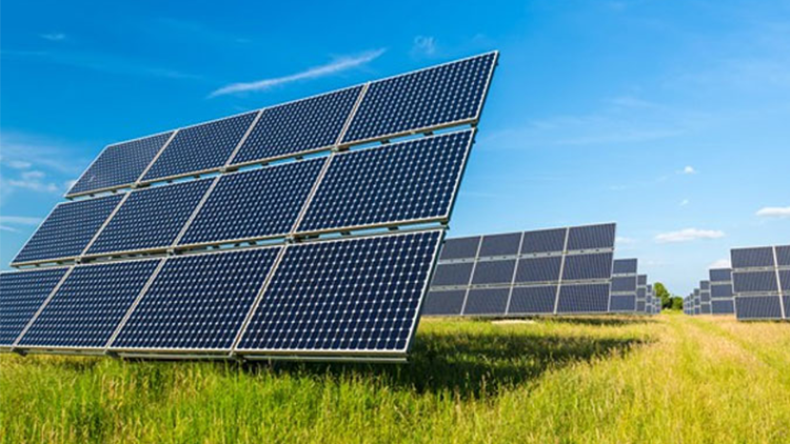
The detailed study underpinning this proposal examined a significant sample of 785 industrial companies, which were rigorously qualified by the Electricity and Gas Regulation Commission, ensuring a strong and data-driven foundation for the recommendations. Implementing the highest proposed incentive level, particularly the 30% deduction, is projected to facilitate the installation of a substantial 2400 MW of solar energy capacity across Algeria. This considerable increase in capacity would enable the production of approximately 4.8 TWh of clean electricity on an annual basis, significantly contributing to the national energy mix and reducing reliance on fossil fuels for power generation. Such a development is expected to free up nearly 1 billion cubic meters of natural gas annually, specifically 987 million cubic meters, making it readily available for export and reinforcing Algeria's position as a key energy supplier.
Economic and Fiscal Impact
The proposed tax incentives are projected to generate substantial and multifaceted economic benefits for Algeria, extending far beyond the renewable energy sector itself. The estimated value of the additional exportable gas quantities, which would be freed up by increased domestic renewable energy production, is approximately $4.1 billion annually. This calculation is based on current European reference market prices, noting the significant potential for increased foreign exchange earnings for the Algerian treasury.
While the incentives represent a direct tax reduction for investing companies, the maximum tax loss to the state would remain contained and manageable. Projections indicate that this loss would not surpass 29.8 billion Algerian Dinars annually. This figure represents a modest 1.3% of Algeria's total corporate tax revenues, demonstrating that the financial impact on the state budget is relatively small compared to the anticipated benefits.
The reform is characterized not merely as a tax break, but rather as an indirect investment mechanism, strategically designed to mobilize significant private sector capital. It is anticipated to mobilize more than 312 billion Algerian Dinars in private investments, channeling these funds primarily into the renewable energy sector. This influx of capital is key for fostering local content development, creating new industries, and generating employment opportunities across the value chain.
The long-term vision for this incentive structure is particularly promising. Once the new system reaches its full operational capacity, achieving its maximum speed and impact, it is expected to generate a substantial net annual surplus for the state treasury. This surplus could amount to as much as 569 billion Algerian Dinars, reflecting the powerful combined impact of increased gas exports, the stimulated private sector investment, and the broader economic activity spurred by the growth of a localized renewable energy industry. This full approach aims to ensure both environmental sustainability and strong economic prosperity for Algeria.