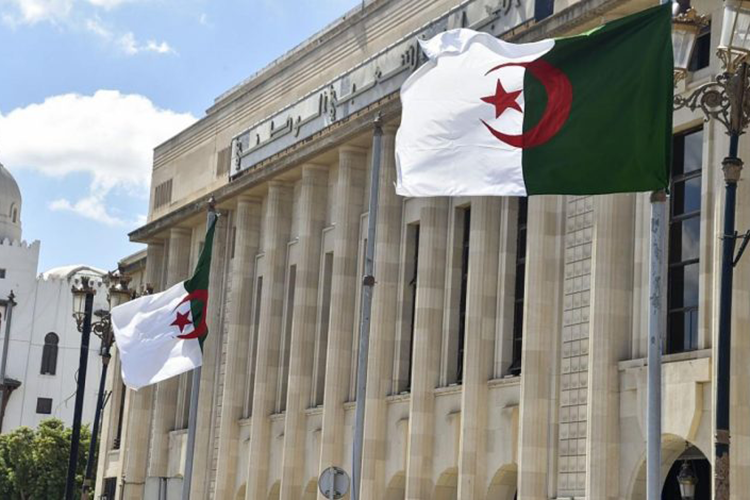
Algeria’s 10th legislative term is set to officially commence on Tuesday, July 28, with its inaugural session. The inaugural session of Algeria’s 10th legislative term has been officially scheduled for this date, marking a significant moment for the country's political landscape. The meeting will formally launch the process of establishing the Assembly’s governing structures, setting the stage for its legislative work. A key initial step will be the election of a new speaker, who will succeed Ibrahim Boughali, a key decision that will shape the Assembly's direction. Among the legislative priorities, tax reform is expected to feature prominently on the parliamentary agenda, signaling a focus on economic adjustments.
Electing Leadership and Bureau
The inaugural session of Algeria’s new parliament will coincide with the election of the Assembly’s speaker and the members of its governing bureau. This simultaneous process shows the immediate need to establish leadership and operational mechanisms for the legislative body. Following the election of the speaker, attention will immediately shift to the formation of the Assembly’s bureau. This full process includes the election of deputy speakers, which is a key step in establishing the legislative body's leadership and operational framework for the upcoming term. The selection of these key officials is vital for ensuring the smooth functioning and effective governance of the parliament. The composition of the bureau will reflect the political dynamics within the Assembly and will play a significant role in guiding legislative proceedings and administrative decisions throughout the 10th legislative term.
Debating the 2027 Finance Law
The new Algerian parliament will soon confront its initial significant legislative test with the commencement of its first ordinary session, which will involve debating the 2027 Finance Law. This will be the first major legislative challenge for the newly constituted parliament. The 2027 budget is expected to be formulated amidst a sensitive economic environment, influenced by ongoing developments in global oil markets. This sensitive economic backdrop is shaped by the volatility and trends observed in international energy prices. While oil prices have experienced an increase in recent months, uncertainty persists regarding the sustainability of this upward trend, making budget planning particularly challenging. Algerian authorities are focused on safeguarding the nation's foreign exchange reserves and preserving its hard currency holdings, recognizing their importance for economic stability. Upcoming legislation is anticipated to introduce measures aimed at broadening the tax base, regularizing outstanding taxpayer obligations, and establishing new provisions for tax settlement and tax amnesty. These measures are designed to enhance fiscal revenue and improve financial compliance across the country, contributing to the broader goal of economic resilience and diversification.
Strengthening Financial Compliance
Parliament is expected to continue reviewing bills designed to strengthen Algeria’s framework for combating money laundering and terrorist financing. These legislative efforts are part of the country’s broader push to meet international compliance standards. These reforms form part of the country’s broader effort to meet international compliance standards following its drive to exit the Financial Action Task Force (FATF) grey list. Algeria is working diligently to exit the Financial Action Task Force (FATF) grey list, and these reforms are integral to that objective, demonstrating a commitment to global financial integrity. The ongoing review of these bills shows the nation's commitment to enhancing its financial oversight mechanisms and aligning with best practices. This legislative focus aims to bring Algeria's financial regulations into closer alignment with global benchmarks, thereby improving its standing in the international financial community. The parliament's continued engagement with these measures is a key component of the strategy to improve financial transparency and combat illicit financial activities, reinforcing the country's reputation as a responsible financial actor.
Addressing Unfinished Legislation
The Assembly is expected to resume consideration of several draft laws that were not concluded during the previous legislative term. This includes legislation governing the public and private sectors and the insurance industry. These are critical areas requiring updated regulatory frameworks. Additionally, the new parliament is anticipated to revisit legislation pertaining to the insurance industry, aiming to modernize its legal foundation. This legislative continuity indicates an agenda focused on completing outstanding reforms and updating frameworks across key economic sectors, ensuring that existing laws remain relevant and effective. The process involves reviewing existing drafts, potentially incorporating new amendments based on current economic realities and stakeholder feedback, and ultimately bringing these bills to a vote. The objective is to refine the legal environment for state-owned enterprises, private businesses, and the financial services sector, particularly insurance, ensuring their alignment with current economic priorities and regulatory standards, thereby fostering growth and stability.