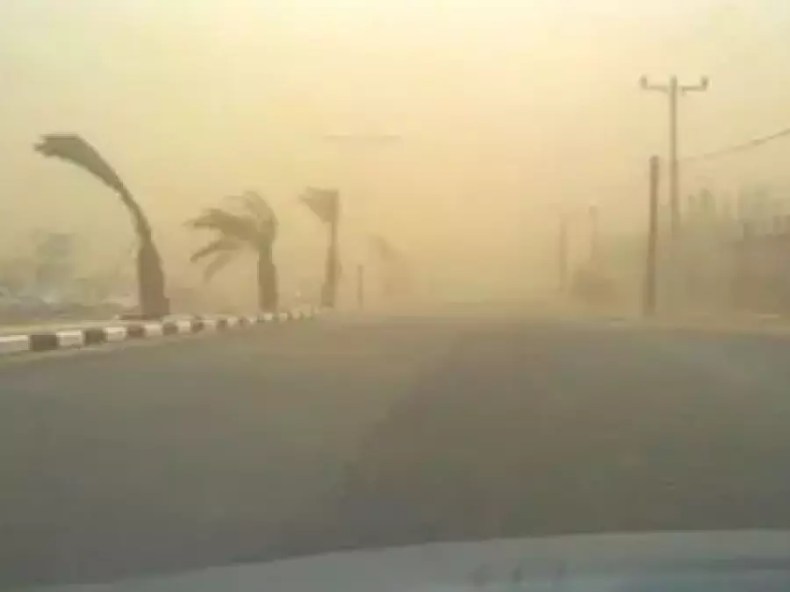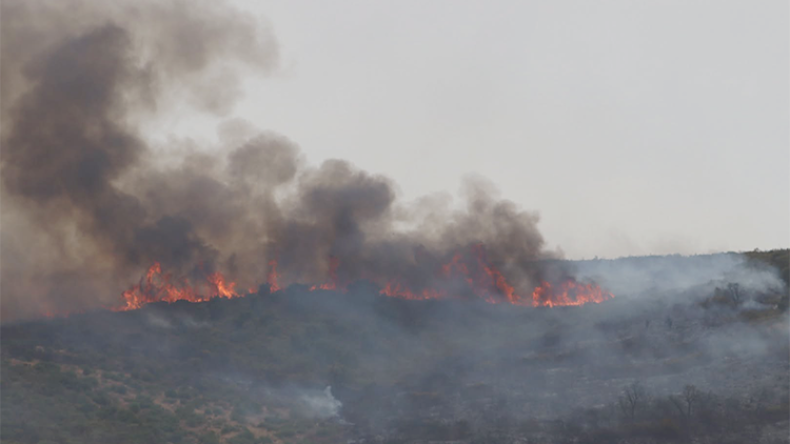
Algeria recently experienced extreme heat, recording some of the highest temperatures globally, with its northern regions reaching nearly fifty degrees Celsius. This intense and relentless heatwave significantly contributed to the challenging and perilous conditions across the country, exacerbating environmental vulnerabilities. The elevated temperatures show the profound environmental pressures faced by Algeria, noting the urgent need for full strategies to address climate-related challenges and their devastating consequences. The severity of the heat created an environment ripe for the rapid spread and intensification of wildfires, posing immense threats to both natural ecosystems and human settlements.
The Scale of Loss
Fires have caused widespread tragedies in Algeria, impacting not only humans and animals but also plants, and fundamentally altering the aspirations and livelihoods of its citizens. The nation's forest cover is critically limited, standing at less than four million hectares. This represents a remarkably small fraction of the country's total landmass, accounting for less than two percent of Algeria's overall area. The scarcity of these vital forest resources inherently shows the ecological vulnerability of the affected regions, making them particularly susceptible to the destructive power of wildfires. The scale of the environmental devastation from these fires is particularly significant given the country's already sparse forestation, which offers little natural resilience against such widespread ecological disruption. The loss of even a small percentage of this limited forest cover has disproportionately severe long-term ecological and economic repercussions for the nation.
Climate Change and Its Toll
The recent extreme weather events and their catastrophic outcomes serve as a stark reminder of the escalating impacts of climate change on vulnerable regions. While Algeria has recently achieved notable progress in its tourism sector, attracting visitors to its diverse landscapes and cultural heritage, these gains are now threatened by the environmental degradation caused by recurrent fires and extreme climatic conditions. The long-term sustainability of these economic advancements, particularly in sectors reliant on natural beauty and ecological stability, hinges on effective environmental protection and restoration efforts. The severe heatwaves and subsequent fires demonstrate a critical challenge that could undermine years of development and investment if not addressed with decisive action and forward-thinking policies. The interplay between environmental fragility and economic aspirations notes the complex challenges facing the nation.
A Vision for Green Recovery
Despite the recent devastation, there remains a strong vision for recovery and environmental restoration. Images showcasing the vibrant green landscapes of Jijel, Bejaia, and Mila were shared globally in the spring of 2026, offering a powerful glimpse of potential recovery and the resilience of nature when given the chance to regenerate. These inspiring visuals serve as a beacon of hope, demonstrating that with concerted effort, ecological balance can be restored. The article advocates passionately for doubling Algeria's forest cover in the short and medium term, emphasizing the historical success and proven effectiveness of the 'Green Dam' project as a key mechanism for achieving this ambitious goal. This full and ambitious strategy includes involving major national companies, particularly the state-owned energy giant Sonatrach, in extensive million-tree reforestation efforts across the country. Such large-scale initiatives are key not only to restore ecological balance and biodiversity but also to mitigate the impact of future environmental challenges, including reducing the risk and severity of wildfires and combating desertification. The proposed green recovery strategy seeks to fundamentally transform affected regions, fostering greater environmental resilience and contributing significantly to Algeria's long-term sustainability and ecological health for future generations. This holistic approach aims to integrate environmental stewardship into national development plans.