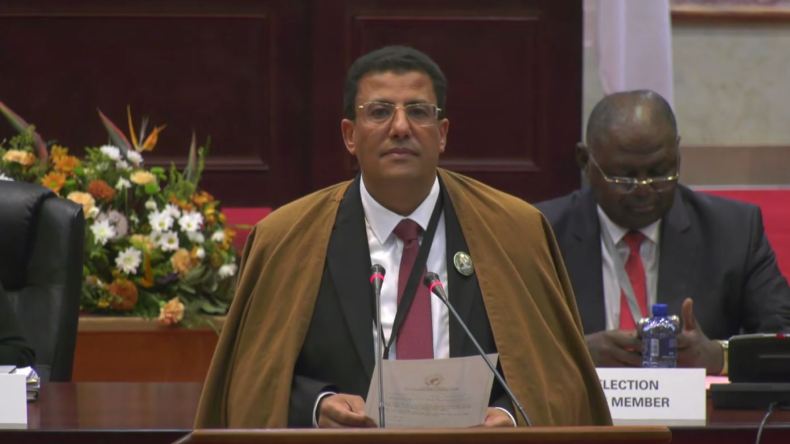
Algeria's candidate, Fateh Boutabib, was elected President of the African Parliament during an extraordinary session held in Midrand, South Africa. The election saw Boutabib secure the top position, following a contest that included Morocco's candidate, Lahcen Haddad. The session concluded with the announcement of the new leadership for the continental body, marking a significant moment for regional diplomacy and the future direction of the African Parliament. The proceedings unfolded amidst a backdrop of serious allegations concerning attempts to disrupt the electoral process.
Election Details and Outcome
Fateh Boutabib secured the presidency of the African Parliament by receiving a total of 118 votes. His election followed an extraordinary session conducted in Midrand, South Africa, a key gathering for the continental legislative body. The outcome was described in the article as a "crushing victory" for Algerian diplomacy, contrasting it explicitly with "envelope diplomacy." This phrasing suggests a perceived success for Algeria's diplomatic efforts in the continental body's leadership contest, noting a triumph over alleged unconventional tactics. The election process was closely watched by member states, given the strategic importance of the African Parliament within the broader African Union framework. The clear margin of victory for Mr. Boutabib showed the support he drew from various delegations present at the session.
Allegations Against Moroccan Delegation
The Moroccan delegation allegedly attempted to disrupt the electoral process through unethical pressure and inappropriate behavior during the African Parliament session in Midrand, South Africa. Reports indicate the delegation sought to influence the vote by distributing "financial envelopes." The article alleges these actions were part of an effort to sway the outcome of the presidential election, casting a shadow over the integrity of the process. The proceedings were interrupted when security forces intervened to restore order amidst the reported disturbances. This intervention by security personnel aimed to ensure the electoral process could continue unimpeded and maintain the decorum expected of an international legislative body. These allegations emerged during the extraordinary session where Fateh Boutabib was elected President of the African Parliament, drawing attention to the tensions that characterized the election. The claims of "envelope diplomacy" specifically refer to these alleged attempts to influence the vote through improper financial means, which were reportedly thwarted by the vigilance of other delegations and the intervention of security personnel. The incident noted the challenges involved in ensuring fair and transparent elections within continental bodies.
Diplomatic Significance
The newly elected president, Fateh Boutabib, is slated to lead the continental legislative body until 2029, a tenure that shows the significant diplomatic implications of this election. His victory is seen as a strategic gain for Algeria within the African Union's parliamentary structures, enhancing its influence on continental affairs. The extended term allows the new leadership to shape the parliament's agenda and influence continental policy over several years, impacting key decisions and initiatives across Africa. This outcome also reflects the broader dynamics of regional influence, particularly between North African nations, within the African Parliament. The result of the extraordinary session in Midrand, South Africa, positions Algeria to play a central role in the legislative body's future direction and initiatives, potentially affecting policy formulation on issues ranging from economic integration to peace and security. Mr. Boutabib's leadership is expected to bring a new perspective to the parliament's operations, focusing on the priorities and objectives set forth by the African Union. The election outcome is therefore not just a change in leadership but a potential shift in the strategic direction of one of Africa's most important legislative institutions.