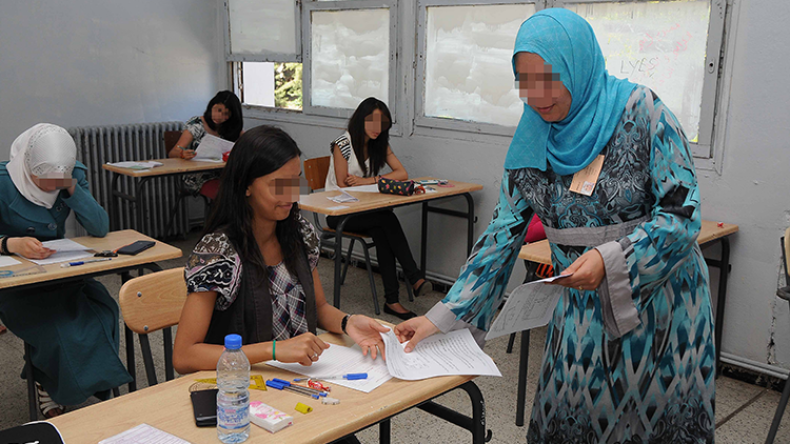
The Middle School Certificate (Beyem) exams for the May 2026 session commenced on Tuesday, marking the first official and key assessment for hundreds of thousands of students across Algeria's various provinces. This significant academic event sees a vast number of young Algerians undertaking a key step in their educational journey. Parents gathered in large numbers outside examination centers early in the morning, demonstrating significant support for their children as they embarked on this important challenge. The palpable sense of anticipation and encouragement from families showed the national importance of these examinations. The initial feedback from the first day was largely positive, setting a hopeful tone for the days to come. Candidates, teachers, and inspectors collectively agreed that the opening day of the exams was generally successful and encouraging, providing a solid foundation for the remainder of the assessment period. This consensus among various stakeholders noted the effective planning and execution of the initial phase of the examinations.
Manageable Subjects, Core Curriculum
The Arabic language examination, a core component of the Beyem exams, was conducted from 8:30 AM to 10:30 AM on the first day. This initial subject, fundamental to the Algerian curriculum, served as the first formal test for students. This initial subject was followed by others, with reports indicating a structured approach to the assessment schedule throughout the day. The examination topics for the day reportedly adhered to the established pedagogical progression observed throughout the academic year. This adherence ensured that the sequence and complexity of questions aligned with the learning trajectory students had experienced. Officials indicated that the questions were drawn directly from the core curriculum, ensuring that candidates were tested on material covered during their studies. This approach aimed to provide a fair assessment of the students' knowledge and understanding within the scope of the taught subjects, preventing any surprises regarding the content. The subjects presented in both the Arabic language and Physical Sciences examinations were generally considered to be within the reach of the average candidate, suggesting that the difficulty level was appropriate for the student cohort.
The overall organization of the first day of exams was described as proceeding under normal conditions, a testament to the careful planning involved. Authorities confirmed that the established organizational procedures were respected across the various examination centers, from the bustling urban areas to more remote locations. This included the timely distribution of exam papers, a critical factor in ensuring fairness and preventing delays. Strict adherence to seating arrangements was observed, maintaining order and preventing any potential irregularities. The consistent presence of invigilators throughout the examination periods was also noted, ensuring a smooth and controlled process for all participants. The orderly conduct of the initial phase aimed to minimize disruptions and create a conducive environment for the students, allowing them to focus solely on their examinations. The consistent application of these procedures is a standard measure for national examinations in Algeria, reflecting a commitment to integrity and equity in the assessment process.
Prior Knowledge and Time Pressure
The Physical Sciences exam for the Middle School Certificate (Beyem) session was administered from 11:00 AM to 12:30 PM. This session followed the initial Arabic language assessment, providing a different set of challenges for the candidates. Examination questions for the Physical Sciences subject reportedly placed a significant emphasis on "prior acquired knowledge" (المكتسبات القبلية), focusing on concepts and understanding accumulated by students throughout their academic year and even from previous years. This approach aimed to assess the depth of students' foundational understanding rather than rote memorization of recently taught material. The inclusion of questions requiring the application of previously learned concepts sought to gauge a more full grasp of the scientific principles.
Despite the generally smooth conduct of the exams, some candidates and observers noted challenges related to the Arabic language subject. The length of the Arabic language examination, combined with a considerable number of instructions provided to students, reportedly led to some confusion among test-takers. The extensive text and detailed directives consumed valuable time that students might have preferred to dedicate to answering the questions. This complexity in the initial subject raised concerns regarding time management for certain students, potentially impacting their performance, especially for those who struggled to quickly process lengthy instructions. The structure of the examination, including the volume of directives, prompted discussions about the balance between full instruction and the practical time constraints faced by candidates, noting a potential area for future review.
Expert and Parent Perspectives
The subjects presented in both the Arabic language and Physical Sciences examinations were generally considered to be within the reach of the average candidate, reinforcing the idea that the content was appropriate. Despite this, some students and their parents expressed confusion by the reliance on "prior acquired knowledge" in the assessments. Their concern stemmed from a perceived discrepancy, as their primary focus during preparation had been solely on the current academic year's curriculum. This approach in the exams reportedly led to a sense of being unprepared for questions that drew heavily on foundational concepts from previous years, creating an unexpected hurdle for some. Many families and students had meticulously reviewed the current year's syllabus, only to find that a broader historical understanding of the subject matter was also required.
The Physical Sciences exercises were described by some as lengthy, incorporating numerous data points that required careful analysis. This structure reportedly posed a challenge for certain students, making it difficult for them to complete the entire examination within the allotted time limit. The sheer volume of information presented, combined with the need for detailed interpretation and calculation, created significant pressure. The extensive nature of the questions meant that even students with a strong grasp of the material might have struggled to articulate their answers fully within the strict time constraints. The volume of information and the time constraints combined to create pressure, potentially affecting performance even for those with a solid understanding of the subject matter, showing the importance of efficient problem-solving skills under timed conditions.