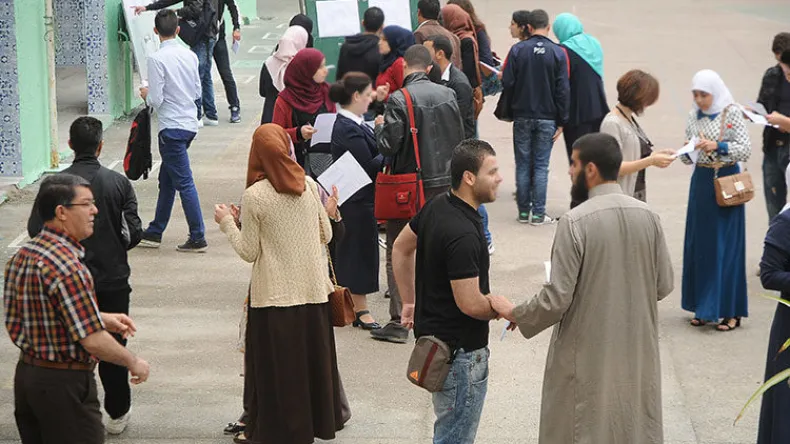
Professional promotion exams for employees within Algeria's national education sector for the year 2026 commenced on Saturday morning across various designated centers. These examinations are a key component of career advancement within the national education system, designed to assess the capabilities and readiness of personnel for higher responsibilities. The examinations are significant as they target 32 ranks, encompassing a wide array of specialized roles and leadership positions. Notably, these include the prestigious position of inspector of middle education in various specializations, such as mathematics, reflecting the diverse needs of the education sector. The full nature of these exams shows the Ministry of National Education's commitment to fostering professional development and ensuring a high standard of educational leadership and instruction across the country.
Exam Procedures and Requirements
The morning session of the exams featured a specialization test, administered from 08:00 to 11:00. This initial assessment was designed to evaluate the in-depth knowledge and expertise of candidates in their respective fields, a critical requirement for the advanced positions they aspire to fill. Following a scheduled break, the afternoon session commenced, focusing on a training engineering exam held between 13:00 and 16:00. This segment aimed to assess candidates' understanding of pedagogical methods, curriculum development, and the application of educational technologies, essential skills for modern educational leadership. The examination series is scheduled to conclude with a final assessment in information technology, noting the increasing importance of digital literacy and technological proficiency in contemporary educational environments.
Candidates were mandated to arrive at the examination centers 20 minutes before the scheduled start time of each session. This strict protocol was put in place to ensure an orderly commencement of testing and to prevent any delays that could disrupt the examination process for all participants. A further stringent protocol was enforced, stipulating that no candidate would be permitted to enter the examination hall once the question envelopes had been opened. This measure is critical for maintaining the confidentiality and integrity of the exam questions. Participants were also required to present specific identification for entry. This included their official invitation, which candidates retrieved from the digital services portal, alongside a valid national identity card or a driver's license. These careful measures aim to ensure the integrity and smooth conduct of the promotion exams, guaranteeing that only eligible and properly identified individuals participate.
Addressing Candidate Absences
Absences were recorded among teachers and employees designated for supervision duties during the initial hours of the promotion exams. These unexpected absences posed an immediate challenge to the smooth operation of the examination centers. To ensure the examination process continued without disruption, center heads and education directorates activated reserve lists. These pre-prepared lists of qualified personnel were swiftly deployed to fill the supervisory gaps, demonstrating the strong contingency planning in place for the exams. The immediate activation of these reserve supervisors prevented any potential delays or administrative issues that could have arisen from the initial absences. The exam schedule incorporates intensive tasks that are distributed throughout the day, requiring a consistent and vigilant presence of supervisory staff to manage the various stages of the assessments effectively.
Anti-Cheating Measures
To uphold the integrity of the 2026 education promotion exams, stringent anti-cheating measures have been implemented. Authorities have stated unequivocally that using a mobile phone or any other communication device within the examination center will result in immediate disqualification for the candidate. This strict rule is designed to prevent the unauthorized sharing of information, accessing external resources, or receiving external assistance during the assessment, thereby ensuring a level playing field for all participants. The presence of such devices is considered a direct violation of examination protocols, leading to swift and decisive action.
Officials have clarified that any act of cheating or attempted cheating, regardless of its success, will lead to severe consequences. Such actions will result in judicial prosecution, signifying that offenders could face legal penalties beyond just academic disqualification. This legal recourse shows the serious nature with which the authorities view any attempt to subvert the examination process. Additionally, strict disciplinary measures will be applied, which may include repercussions for the candidates' professional standing within the education sector. These disciplinary actions could range from temporary suspension to permanent dismissal, impacting their future career prospects. These full protocols show the serious approach taken to ensure fairness, transparency, and prevent any manipulation of the examination process, thereby safeguarding the credibility of the promotion system and the quality of Algeria's national education sector.