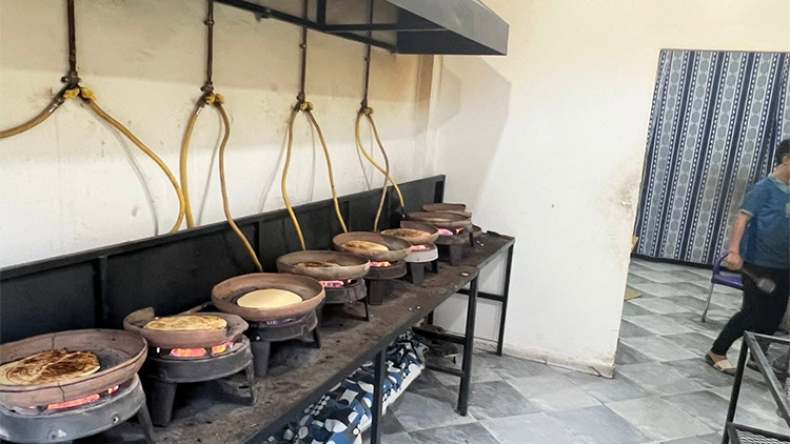
Traditional Algerian breads, including Kesra, Mtlou, and Rkhiss, are experiencing a significant commercial resurgence, with their popularity extending from urban centers to rural areas across various Algerian regions. This growing demand has made queues in front of traditional bread shops a common sight in various Algerian regions, noting a widespread embrace of these culinary staples. The phenomenon of selling traditional bread like Kesra, Mtlou, and Rkhiss has spread beyond major cities into rural areas, indicating a broad national appeal. The trend reflects a broader acceptance of these traditional delicacies within the commercial market, moving beyond their historical home preparation. Even five-star hotels have begun featuring Kesra on their menus, incorporating it into their offerings due to increasing customer demand for authentic local flavors, showing the bread's elevated status.
Traditional Preparation Methods
Recent years have seen a rise in a new consumer trend, reviving traditional food habits within commercial establishments such as shops, bakeries, and restaurants. Many of these establishments are now employing traditional preparation methods, including the use of a "tabouna," a traditional oven, and clay or iron "tagine" griddles. These traditional cooking implements are central to achieving the authentic taste and texture that customers seek. For popular breads like Kesra and Rkhiss, the dough is typically prepared with yeast and kneaded manually, often in full view of customers, offering a transparent and engaging experience that reinforces the artisanal quality of the product. This visual aspect of preparation further connects consumers to the traditional roots of the bread.
The baking process frequently involves cooking the bread on a hot tagine or inside a tabouna over low heat. The tabouna, commonly constructed from clay or iron, is valued for allowing gradual cooking that imparts a distinctive smoky flavor to the bread, a characteristic highly prized by connoisseurs. Similarly, the hot tagine is utilized to achieve a texture that is crispy on the outside while remaining soft on the inside, providing a delightful contrast with every bite. The careful control of heat and the specific materials of these cooking tools are considered essential for replicating the traditional quality.
To further enhance authenticity and flavor, some shops opt to use charcoal or firewood for cooking, aiming to infuse an authentic rural taste into their products. This method not only adds a unique flavor profile but also evokes a sense of nostalgia for older, more rustic cooking practices. Samir Fals, a retired finance employee, believes these traditional preparation methods using the tabouna and tagine are key to the success of these breads. Fals stated, "The unique flavor comes from these traditional preparation methods," emphasizing that the cooking technique is as important as the ingredients themselves in defining the bread's appeal.
Customer Demand and Appeal
The resurgence of traditional Algerian breads has attracted a diverse customer base, including young people, families, and particularly women, reflecting a broad societal appreciation. This growing popularity is evident in the bustling activity around these establishments. Some shops experience long queues, especially during the evening hours, indicating high demand and the widespread appeal of these freshly prepared items. Many customers frequently purchase Kesra in significant quantities, often to take home for family consumption, noting its role as a staple in Algerian households.
Customer Kamal Mazaouda noted the daily appeal of these breads, stating that despite bread costing 10 dinars and Mtlou priced at 50 dinars, he buys Mtlou every day. This sustained demand points to the perceived value and desirability of these traditional items, even when they are priced higher than standard industrial bread. The willingness of customers like Mazaouda to pay for these traditional breads shows their cherished status.
For many women, the availability of ready-made Kesra and Rkhiss offers a practical solution to time constraints, allowing them to purchase these breads rather than preparing them daily at home. This shift reflects modern lifestyles while maintaining traditional food consumption patterns, as women increasingly balance work and family responsibilities. The convenience offered by these commercial establishments allows families to continue enjoying traditional foods without the extensive daily preparation.
The bread is versatile in its serving, often presented hot with accompaniments such as olive oil, milk, or honey, offering a range of traditional flavor combinations. Increasingly, it is also filled with modern ingredients, catering to evolving tastes and making it suitable for contemporary meals and snacks. Some establishments have transformed into social gathering spots, where customers prefer to consume the bread hot, directly from the tagine, enhancing the communal experience around these traditional delicacies and fostering a sense of shared heritage.
Historical Context and Nostalgia
The resurgence of traditional Algerian breads is attributed by Kamal Deghmous, a higher education employee, to the public's search for old flavors and a traditional taste that many miss amidst the prevalence of industrial fast food. This yearning for authentic culinary experiences drives much of the demand. Historically, Kesra and Rkhiss formed part of the nutritional identity of Algerian families, serving as fundamental dietary components for generations. These breads were typically prepared by women using essential ingredients such as semolina, water, salt, and sometimes flour, a process passed down through families.
Khawla Merjano, a history student, suggests that the increased demand for traditionally prepared Mtlou and Rkhiss indicates a collective nostalgia for the past, particularly in the context of rapid social changes occurring in Algeria. This nostalgia is not merely for food but for a way of life. A significant shift in lifestyle, marked by more women entering the workforce, led to a decline in the home preparation of these traditional breads, as daily baking became less feasible. This change, in turn, created a new opportunity for businesses to capitalize on the public's nostalgia for these traditional foods, transforming a domestic art into a commercial enterprise.
Ammi Belkacem Wessan, a folk heritage enthusiast, views this phenomenon positively, noting its role in reviving traditional food heritage and preserving older preparation methods. He sees these commercial ventures as guardians of culinary history. Moussa Harig, a mining employee, considers these commercial establishments a practical alternative that effectively maintains the traditional aspect of Algerian cuisine. The availability of these breads in shops allows for the continuity of culinary traditions despite evolving societal dynamics and modern time constraints, ensuring that these cherished foods remain accessible.
Challenges and Future Outlook
Despite the resurgence, concerns persist that traditional foods could become solely commercial ventures driven by quick profit, potentially compromising authenticity and quality. Some non-specialized shops reportedly use traditional names without adhering to authentic preparation methods or hygiene standards, which could tarnish the reputation of these products. The rising prices of these breads also present a challenge, with some Kesra sold for 100 dinars, a cost many consider unreasonable, potentially pushing customers toward more affordable alternatives and limiting access for some segments of the population.
There are concerns regarding the decline of the family's role in transmitting traditional cooking skills, as these dishes are now frequently purchased ready-made rather than learned and prepared at home. This shift raises questions about the long-term preservation of the domestic culinary heritage. In Khenchela, the Directorate of Commerce actively encourages individuals to engage in traditional businesses, including Kesra and other traditional foods like "Sfenj" or "Braj," recognizing the economic and cultural value of these enterprises. Bakeries are also permitted to sell Mtlou, and it is common to find establishments offering regular bread alongside traditionally made Kesra, demonstrating a blend of modern and traditional offerings. The phenomenon is seen by some as a successful project to revive food heritage, celebrating the enduring appeal and cultural significance of these breads. However, others consider it a temporary commercial trend, questioning its sustainability and long-term impact on the authentic preparation and cultural transmission of these cherished Algerian delicacies.