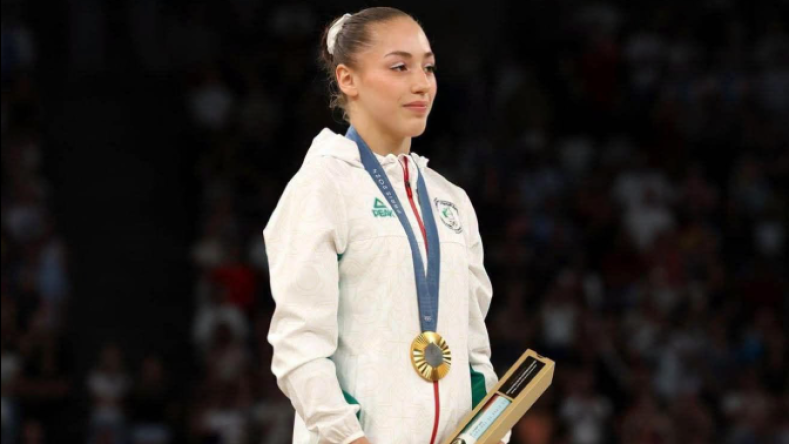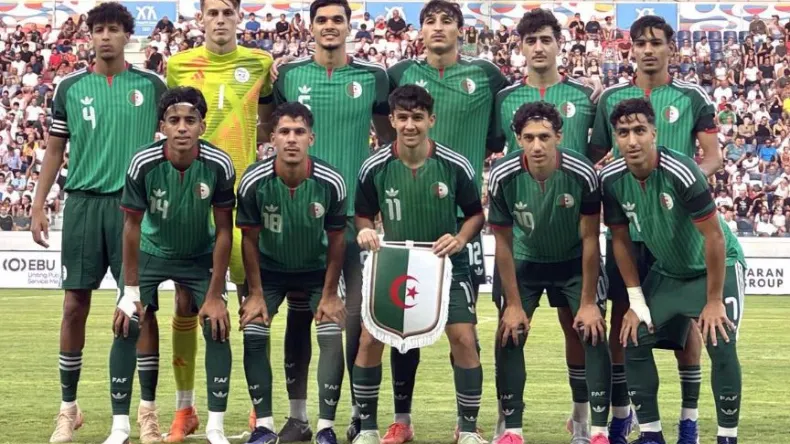
Algerian sports teams have achieved significant international success, providing moments of national pride and often serving as a powerful source of national unity and optimism. The Algerian U21 national team recently secured the gold medal at the Mediterranean Games held in Taranto, Italy, adding another significant achievement to the nation's sporting history. This triumph follows the Algerian national team's claim of the continental title in Egypt during the summer of 2019, a period coinciding with the 'Hirak' movement. These victories have been celebrated nationally, often seen as a source of unity and optimism, demonstrating the profound impact of sporting achievements on the collective spirit of the Algerian people. Such successes frequently provide a much-needed morale boost, particularly during challenging times.
Recent Triumph and National Woes
The Algerian U21 team secured a significant victory, defeating Tunisia 2-0 in the final of the Mediterranean Games. This decisive win was a highlight of the tournament, showcasing the talent and determination of the young Algerian athletes on an international stage. This sporting success occurred amidst a period of national distress caused by widespread forest fires. The U21 team's victory, therefore, offered a poignant moment of collective joy and distraction for a nation grappling with hardship. The fires have inflicted material and human losses across several provinces, including Jijel, Bejaia, Tizi Ouzou, El Tarf, and Annaba, prompting a national outpouring of grief and calls for support. The contrast between the sporting triumph and the national tragedy showed the role of sports in providing solace and a sense of shared accomplishment.
Historical Echoes of Joy
Algeria's sporting history is replete with instances where athletic achievements have provided significant moments of joy and national pride during difficult periods. Algeria's qualification for the 1986 World Cup in Mexico, for example, provided a notable moment of joy during a global oil price crisis, demonstrating the power of sports to uplift spirits even in the face of economic challenges. Following the October 1988 events, ES Sétif's victory in the African Cup of Champions Clubs served as a significant morale booster for the nation, offering a beacon of hope and unity during a time of social unrest. The Algerian national team further uplifted spirits by winning the 1990 Africa Cup of Nations (CAN 90) on home soil against Nigeria, a victory that resonated deeply with the populace. In 1991, the national team secured another continental triumph, claiming the Afro-Asian Cup title against Iran, further cementing its place as a source of national pride. JS Kabylie added to this period of sporting success by winning an African title in late 1990, contributing to the rich tapestry of Algerian footballing achievements.
Later, during the challenging 'Black Decade', JS Kabylie won the African Cup Winners' Cup in 1995, offering a source of national pride and a much-needed diversion from the prevailing difficulties. This victory showed the club's resilience and capacity to perform at the highest level despite the adverse national context. At the start of the new millennium, JS Kabylie achieved further remarkable success, winning three consecutive CAF Confederation Cup titles. These impressive victories occurred amidst various national difficulties, including the devastating Bab El Oued floods and an earthquake, providing moments of collective celebration for Algerians and noting the enduring spirit of the nation through its sporting heroes. Each of these historical successes illustrates how sports can act as a unifying force and a source of inspiration, offering a sense of normalcy and pride when other aspects of national life are under strain.
Sports as National Unifier
The U21 national team's recent victory occurred during a period of national hardship, as Algeria contended with widespread forest fires. These fires caused significant material damage and human losses across several central and eastern provinces, creating a somber atmosphere across the country. The provinces affected by the blazes included Jijel, Bejaia, Tizi Ouzou, El Tarf, and Annaba, where communities faced immense challenges. In this context, the U21 team's gold medal at the Mediterranean Games provided a powerful counter-narrative of triumph and resilience, offering a moment of collective respite and joy for the entire nation.
Algerian football and sports are widely regarded as consistently bringing honor to the nation in international forums, often serving as a source of resilience in the face of national challenges. This perception extends beyond team sports to individual athletic achievements, which have also played a key role in fostering national pride. During the 1990s, individual athletes like Nourredine Morceli and Hassiba Boulmerka notably secured gold medals in world and Olympic competitions. Their successes, alongside those of national teams, have frequently provided moments of collective pride and unity for Algerians, reinforcing the idea that sports can transcend difficulties and unite people under a common banner of achievement. This consistent ability to excel on the international stage, despite internal challenges, notes the profound cultural and social significance of sports in Algeria.