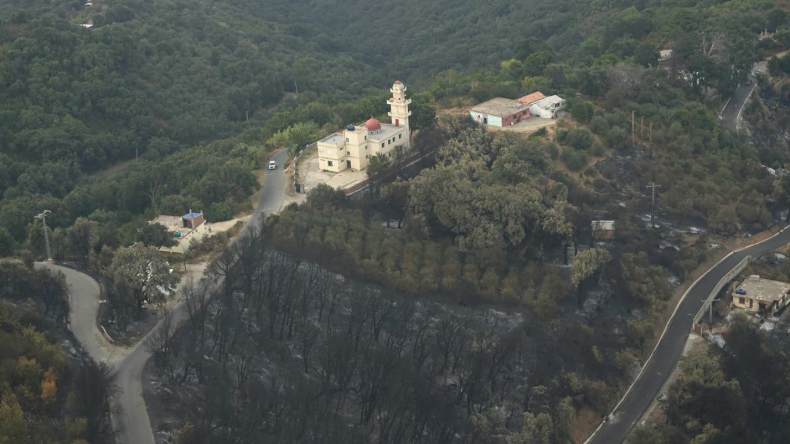
Algerians have responded with widespread donations and solidarity campaigns following devastating forest fires that have impacted several wilayas across the country. The fires have affected regions including Jijel, M'Sila, and Bejaia, prompting an immediate humanitarian effort from citizens and various organizations. This outpouring of support shows a deep-seated commitment within the Algerian populace to assist those facing hardship. The collective national response notes the resilience and unity of the Algerian people in the face of widespread environmental devastation.
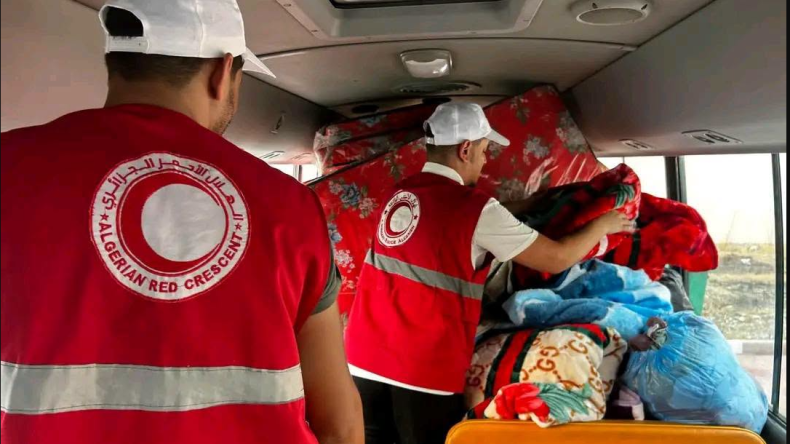
In M'Sila, charitable associations and citizens launched a broad campaign to collect aid for those affected by the blazes. This initiative specifically targeted communities in Jijel, M'Sila, and Bejaia, gathering essential supplies and support for residents displaced or otherwise impacted by the fires. The campaign in M'Sila saw a significant mobilization of volunteers and resources, reflecting a concerted effort to alleviate suffering in the affected areas. The collective response shows a national effort to assist communities grappling with the environmental and social consequences of the widespread fires, demonstrating a strong sense of community and mutual support among Algerians.
Aid Mobilization Across Provinces
The collected aid from various initiatives includes essential items such as canned food, infant milk, diapers, water bottles, blankets, clothing, shoes, medicines, and bandages. These provisions are key for families who have lost their homes and possessions, providing immediate relief and addressing basic needs. The full nature of the donations reflects a thoughtful approach to supporting displaced individuals and families. In Jijel, individuals and charitable associations have also been actively gathering provisions like water, food, clothing, and medicines to support those affected by the blazes. The local efforts in Jijel complement the broader national campaigns, ensuring that aid reaches those most directly impacted. This localized collection of necessities helps to address the immediate and specific needs of the communities within Jijel. Some women in Jijel have contributed by preparing hot meals, including couscous and 'chourba frik', for distribution. These home-cooked meals provide not only sustenance but also a sense of comfort and community to those enduring difficult circumstances. The act of preparing traditional dishes for distribution exemplifies the personal and heartfelt nature of the solidarity efforts.
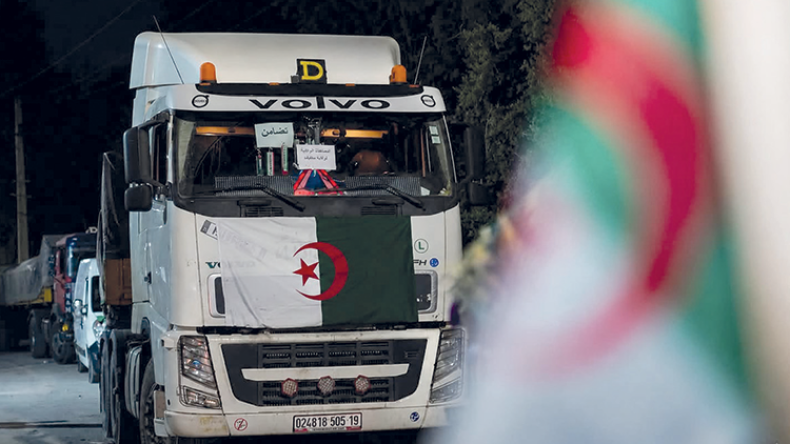
Solidarity convoys originating from Setif and El Eulma have been dispatched towards the affected areas in Jijel and Bejaia. These convoys transported substantial quantities of supplies such as food, water, bedding, clothing, and medicines. The organized dispatch of these convoys ensures that aid is delivered efficiently and effectively to the communities most in need, covering a wide range of essential provisions. The health sector in Setif has also mobilized resources, with the Directorate of Health and Population and the specialized Cancer Treatment Center sending medical supplies and ambulances to Jijel. This specialized medical support is vital for treating burn victims and other injuries sustained during the fires, as well as providing ongoing healthcare services in areas where local facilities may be overwhelmed or damaged. Beyond these specific efforts, solidarity initiatives are also actively underway in other provinces, including Constantine, Tebessa, Ouled Djellal, Biskra, and Khenchela, reflecting a broader national response. These widespread efforts across multiple provinces demonstrate the extensive reach of the Algerian solidarity movement, ensuring that a wide network of support is available to those impacted by the fires.
Impact on Communities and Services
Coastal areas in the east, including Jijel, Skikda, and El Kala, have experienced a significant decrease in summer tourism following the extensive forest fires. The natural beauty of these regions, often a draw for tourists, has been severely impacted, leading to economic consequences for local businesses and communities reliant on the tourism sector. The blazes have also led many citizens to postpone scheduled weddings. This disruption to personal events shows the widespread impact of the fires on daily life and cultural traditions, as communities prioritize safety and recovery over celebrations. The decision to postpone such significant life events notes the somber atmosphere prevailing in affected regions.
Residents of villages and hamlets within Jijel are encountering challenges in providing care for livestock that survived the fires. The loss of pastures, feed, and shelter has created an urgent need for assistance for these animals, which are often a key source of livelihood for rural families. Ensuring the well-being of surviving livestock is an additional burden on communities already grappling with the aftermath of the fires. In the health sector, doctors at hospitals in Taher, Jijel, and El Milia have utilized social media platforms to appeal for medicines and medical supplies specifically for burn victims. This urgent call for supplies indicates the severity of injuries sustained and the critical need for specialized medical care in the affected areas. The public appeals on social media have been instrumental in mobilizing quick responses from individuals and organizations to meet these immediate medical requirements.
The Postal and Telecommunications Services, working in coordination with mobile operators, is actively reinforcing communication networks in the affected areas. This effort includes the deployment of mobile stations in Jijel to restore essential phone and internet services for residents. Maintaining strong communication infrastructure is critical for emergency coordination, family reunification, and access to information during a crisis. The restoration of these services helps reconnect communities and facilitates recovery efforts.
Calls for Solidarity and Prevention
Religious leaders in Oum El Bouaghi addressed the ongoing crisis, with Imams delivering Friday sermons that focused on the impact of forest fires and emphasized the importance of solidarity among Algerians. These sermons served as a powerful call to action, reinforcing moral and communal obligations during a time of national distress. During their addresses, the Imams stated, "The Algerian people will not stand idly by in helping their brothers in the ordeal that the inhabitants of these regions of the country are going through." This statement resonated deeply with the congregation, reinforcing the message of collective responsibility and mutual aid. They also noted the critical role of prevention, noting, "Prevention of a fire is much better than trying to rebuild a burned forest, because a tree can be planted in one day, but a forest needs tens of years to grow and regain its environmental functions." This emphasis on prevention shows the long-term ecological and economic consequences of forest fires and calls for proactive measures to protect Algeria's natural heritage.
The severity of the blazes has prompted some observers to characterize them as "fifth-generation fires." This term, used in related articles, suggests a specific type of conflagration often associated with extreme intensity and rapid spread, posing significant challenges to containment and mitigation efforts. The classification shows the destructive power of the fires impacting various Algerian wilayas, indicating that these are not ordinary wildfires but rather highly complex and dangerous events requiring advanced response strategies. The extensive damage and the challenging conditions faced by firefighters and emergency services further highlight the extreme nature of these "fifth-generation fires."